
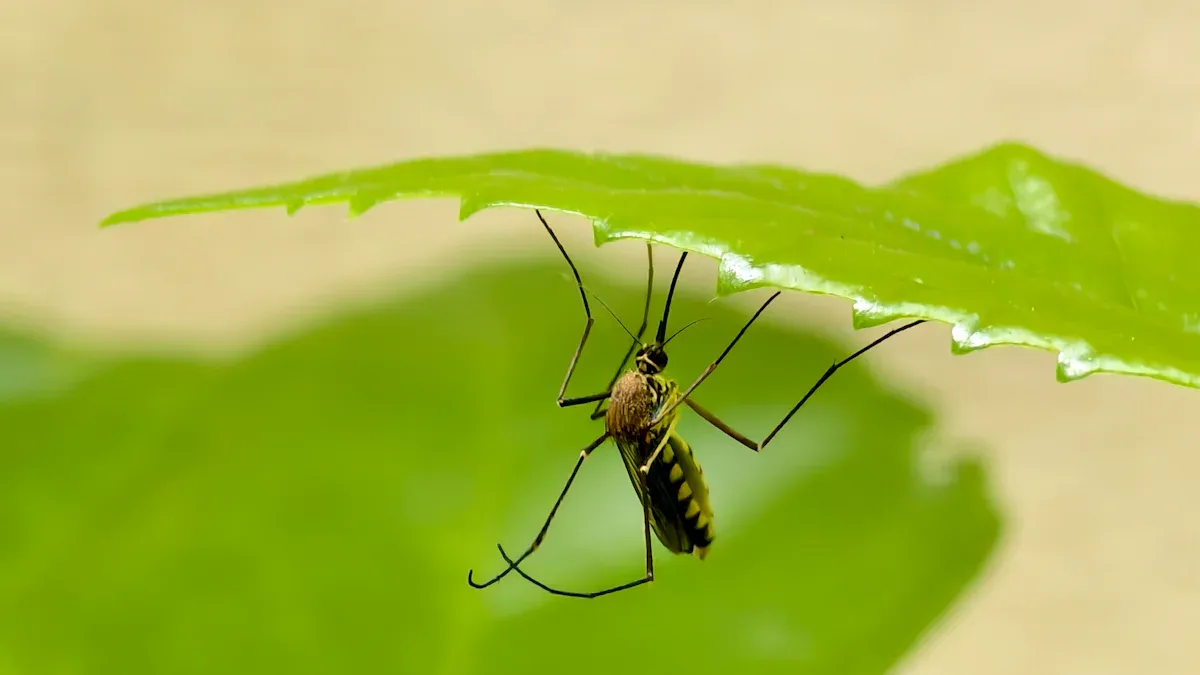
Many of us look for natural ways to keep pests away. Mosquitoes are especially annoying. The citronella plant often comes to mind as a solution. However, many people misunderstand what a true citronella plant is. I will clarify what a citronella plant truly is. I will guide you on how to grow citronella successfully. You will also learn how to maximize citronella’s pest-repelling benefits. This will help you enjoy your outdoor space more with citronella.
Citronella Plant

What is a Citronella Plant?
When I talk about a “citronella plant,” I am often referring to a specific type of geranium. This plant is Pelargonium citrosum. It is a modern horticultural creation. Breeders developed it through selective efforts. They likely used African Pelargonium species, such as Pelargonium citronellum. Its ancestors come from South Africa’s Cape region. This area is rich in Pelargonium species.
A Dutch horticulturist, Dirk Van Leenan, reportedly developed it. This gave it the name Pelargonium citrosum ‘Van Leenii’. Unlike old medicinal herbs, this citronella plant was engineered. Its purpose was to boost the citronellal compounds found in its geranium relatives.
My primary use for this citronella plant is as a mosquito-repelling plant. It became known globally as a mosquito-fighting plant. It quickly became a symbol for plants that deter mosquitoes. Beyond repelling insects, I also find its leaves useful as a culinary herb. They add a citrusy flavor to teas, desserts, and various dishes.
The Science Behind Citronella’s Scent
I find the scent of citronella very distinctive. This scent comes from specific natural compounds. Citronellal, also known as rhodinal (C10H18O), is a monoterpenoid aldehyde. I identify it as the main component within the mixture of terpenoid chemical compounds. These compounds give citronella oil its characteristic lemon scent. This compound is a significant isolate.
We find it in distilled oils from various plants. These include Cymbopogon species (but not C. citratus), lemon-scented gum, and lemon-scented teatree. The (S)-(−)-enantiomer of citronellal specifically makes up to 80% of the oil from kaffir lime leaves. This is what gives those leaves their unique aroma. These compounds confuse mosquitoes. They mask the scents that attract mosquitoes to us. This makes the citronella plant a popular choice for outdoor spaces. I rely on this natural defense.
Types of Citronella Plants
When I talk about “citronella plants,” I often find confusion. Many people think of one plant, but several plants carry this name. It is important to know the differences. This helps you choose the right plant for your needs.
True Citronella Grass: The Authentic Source
I consider true citronella grass the authentic source of citronella oil. This plant belongs to the Cymbopogon genus. It is a type of lemongrass. The oil from this plant is what we find in many commercial mosquito repellents. I have learned about two main species:
Species | Botanical Name | Distinguishing Characteristics |
|---|---|---|
Citronella | Cymbopogon nardus | Red pseudostems, slightly wider leaf blades |
Lemon Grass (cooking) | Cymbopogon citratus | Green pseudostems, narrower leaf blades |
I use Cymbopogon nardus for its strong citronella scent. This is the plant that truly produces the powerful mosquito-repelling compounds.
Citronella Geranium: The Common Imposter
Many people buy a plant called a “citronella plant” at garden centers. This plant is usually a Pelargonium citrosum. I often call it a scented geranium or a mosquito plant. It has a lemony scent, but it is not true citronella grass. This lemon geranium is a hybrid. It does contain some citronellal, but not as much as true citronella. I find its scent pleasant. For this citronella plant, I recommend 6-8 hours of full sun daily. It can tolerate 4-6 hours. In very hot summers, it benefits from some afternoon shade.
Other “Citronella” Plants: Key Distinctions
Other plants sometimes get the “citronella” label. I have seen lemon balm (Melissa officinalis) and even some varieties of thyme referred to this way. These plants might have a citrusy smell. However, they do not contain the same high levels of citronellal as true citronella grass. I always check the botanical name to be sure. This helps me avoid confusion. I want to make sure I get the plant with the most effective citronella properties.
How to Grow Citronella
I find growing citronella a rewarding experience. It offers both beauty and a natural defense against pests. Understanding its needs helps me cultivate a thriving plant. Here is how to grow citronella successfully.
Choosing the Right Location
I always start by selecting the perfect spot for my citronella plant. This plant loves warmth and light. It thrives between 50°F and 80°F. I know it prefers 40-70% humidity. I bring my outdoor plants inside when temperatures drop below 50°F. This protects them, as they truly thrive in tropical conditions.
For outdoor planting, I look for a sunny spot. My citronella plant needs at least six hours of cool, direct morning sunlight daily. It appreciates some afternoon shade, especially during hot weather. This prevents scorching. If I grow it indoors, I ensure it gets bright light. This stops the plant from becoming leggy. A citronella plant will not grow as fast in shade. It may stretch to receive more light. I aim for partial shade to full sun, meaning more than four hours of sunlight.
Planting Your Citronella
I plant my citronella in spring. I wait until all frost danger has passed. The soil needs to be warm, similar to when I plant tomatoes. This gives the plant a strong start.
For soil, I know citronella is not particular about pH. However, it thrives in sandy soils. It needs average to evenly moist conditions. I always avoid standing water. I prepare a well-draining potting mix for containers. I use a blend of peat moss, perlite, and garden soil in a 2:1:1 ratio. For outdoor beds, good drainage is crucial. This prevents waterlogging. I find the optimal soil pH is between 5.3 and 6.5. It also benefits from an organic carbon content greater than 4% and a base saturation of 40–60%.
If I start citronella from seed, I sow them indoors about 6-8 weeks before the last frost. I transplant them outside once they are strong enough.
Essential Citronella Care and Maintenance
Proper citronella care ensures a healthy, vigorous plant. I focus on consistent watering and feeding.
I water my citronella regularly. The soil should be moist but not soggy. I allow the top inch of soil to dry out between waterings. During hot summer months, I increase watering. I reduce the frequency in cooler fall and winter months. When watering a potted plant, I pour enough water until it trickles out of the drainage hole. If I use a saucer, I always dump out any collected water. This prevents “wet feet” for the plant. I only water when the soil feels about 75 percent dry.
I fertilize my citronella plant monthly during the growing season. I adjust based on its growth. In spring, I use nitrogen-rich fertilizers. This promotes robust growth as the plant emerges from dormancy. For summer, I switch to balanced nutrients. This supports blooming and overall thriving.
I reduce fertilization in fall as growth slows. A lighter nutrient load is sufficient then. For early stages and optimal citronella plant growth, I focus on nitrogen-rich fertilizers for lush, green foliage. As the plant matures, I use balanced nutrients for robust development and resilience. If I want to encourage flowering, I apply phosphorus-rich fertilizers just before the blooming period. This comprehensive plant care routine keeps my citronella strong.
Potted vs. In-Ground Growing
I often choose between planting citronella in pots or directly in the ground. Both options have benefits.
Growing citronella in containers offers great mobility. I can easily relocate my plants. This optimizes sunlight exposure. It also provides shelter from harsh weather. This is especially useful in climates with unpredictable temperatures. Containers also give me precise control over soil quality. I can customize the potting mix to meet the specific needs of my citronella.
Planting in the ground allows the plant to spread more freely. It can establish a larger root system. This often leads to more vigorous growth. However, I must ensure the soil has excellent drainage. I also consider my climate. In colder regions, I prefer pots. This allows me to bring the plant indoors for winter.
Winter Care and Overwintering
Citronella plants are frost-tender. They will not survive freezing temperatures. I know they are perennial only in USDA Zones 9-11. In colder climates (Zones 8 and colder), I treat them as annuals or bring them indoors. They are not frost-hardy.
I move my citronella plant indoors promptly when night temperatures drop to 45°F. I keep the plant in temperatures between 50°F and 80°F. I also maintain a humidity level between 40% and 70%. This helps the plant survive the winter. In spring, I gradually move the plant back outside. I wait until the danger of frost has passed. Nighttime temperatures must consistently stay above 50°F. This careful winter care ensures my citronella returns strong each year.
Best Citronella Pest Care
I find using citronella plants for pest control very satisfying. It offers a natural way to enjoy my outdoor spaces. I focus on strategic placement and proper care to maximize its benefits.
Strategic Placement for Pest Control
I know that simply having a citronella plant nearby does not guarantee a pest-free zone. The mosquito-repelling effect of the citronella geranium is somewhat limited. Its effect is relatively short-lived and localized. Repellent oils release primarily through physical interaction with the plant. Citronella-based products like candles and mosquito coils show some effectiveness. This is within a limited radius. It is often more due to the smoke produced rather than the citronella itself. I understand this limitation. I use strategic placement to make the most of my citronella.
I place my citronella plants and lemongrass as close as possible to outdoor gathering areas. This helps deter pests effectively. I have found several optimal locations:
I group citronella plants with other repellent plants in large pots. I put these near seating and dining areas on my patios and decks.
I place citronella grass at the back of seating areas. This creates a barrier.
I cluster different mosquito-repelling plants together. This includes citronella. I put them in moveable containers near gathering spots. These spots include outdoor dining areas or fire pits.
I plant citronella grass near water features. Mosquitoes might gather there.
I incorporate citronella into natural barriers. I plant them densely along property edges or gathering spaces.
I make sure to brush against the citronella plant leaves often. This releases the scent. I also encourage guests to do the same. This helps activate the plant’s natural repellency.
Using Citronella Leaves: DIY Repellents
I love making my own natural repellents. My citronella plant leaves are perfect for this. I harvest the leaves carefully. I snip off mature leaves from the plant. I avoid taking too many at once. This keeps the plant healthy.
I use the fresh citronella plant leaves in several ways. I crush them and rub them directly on my skin. This releases the oils. I avoid sensitive areas. I also steep the leaves in hot water to make a repellent spray. I let the mixture cool. Then I strain out the leaves. I pour the liquid into a spray bottle. I spray it on my clothes or around my outdoor area. This provides a natural, chemical-free defense against mosquitoes.
Common Pests of Citronella and Solutions
Even though citronella is a pest deterrent, it can still face its own common pests and plant diseases. I regularly inspect my plants for any signs of trouble. Early detection helps me manage pest problems quickly.
I often see aphids on my citronella. These tiny insects cluster on new growth. They suck the plant’s sap. I spray them with a strong stream of water. This dislodges them. For more stubborn infestations, I use insecticidal soap. I mix it according to package directions. I spray it on the affected areas.
Spider mites are another common issue. I notice fine webbing on the leaves. The leaves might look stippled or discolored. I increase humidity around the plant. I also spray the plant with water. Neem oil is effective against spider mites. I apply it as directed.
Sometimes, I find mealybugs. They look like small, white, cottony masses. I dab them with a cotton swab dipped in rubbing alcohol. This kills them on contact. For larger infestations, I use insecticidal soap.
I also watch for signs of common pests and plant diseases like powdery mildew. This fungal disease appears as white, powdery spots on leaves. I ensure good air circulation around my plants. I remove affected leaves. I can also use a fungicide if necessary.
Companion Planting for Enhanced Control
I believe in the power of companion planting. I combine my citronella with other plants that also deter pests. This creates a stronger, multi-layered defense.
I plant marigolds near my citronella. Marigolds release compounds that repel nematodes and other garden pests. Basil is another great companion. Its strong scent helps keep flies and mosquitoes away. I also plant lavender. It adds beauty and its scent deters various insects.
Lemongrass is a natural partner for citronella. Both are types of Cymbopogon. They share similar pest-repelling properties. I plant them together to amplify their effect. This combination creates a more formidable barrier against unwanted insects. I find this approach makes my outdoor space more enjoyable and less prone to pest issues.
I believe citronella offers wonderful benefits for your garden and patio. It helps create a more enjoyable, pest-free outdoor space. I explained the true citronella plant and its common lookalikes. I showed you how to grow citronella successfully. I also shared effective pest control strategies using citronella. I encourage you to experiment with different citronella types and placements. This helps you find optimal results. You can create a natural, pest-free sanctuary with citronella.