
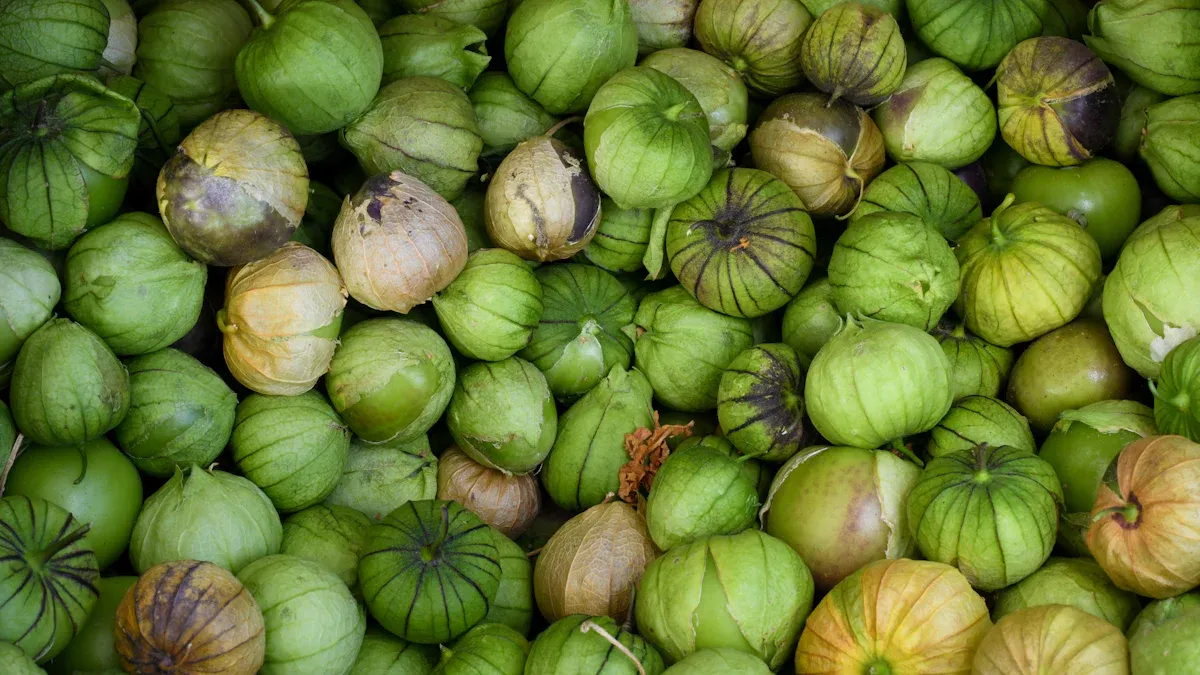
Choosing the right soil is crucial for your tomatillo plants. Quality soil directly influences plant health and growth. Key factors like organic matter, nutrient availability, and moisture content significantly affect yield. Research shows that soil organic matter has a strong correlation with tomatillo success, making it essential for thriving growth.
Factor | Correlation Coefficient |
|---|---|
Soil Organic Matter | 0.94 |
Available Phosphorus | > 0.7 |
Ammonium Nitrogen | > 0.7 |
Available Potassium | > 0.7 |
Moisture Content | > 0.7 |
Key Takeaways
Choose sandy loam for tomatillos. It offers excellent drainage and nutrient retention, promoting healthy growth.
Regularly test your soil pH. Aim for a range of 6.0 to 7.0 to ensure your plants can absorb essential nutrients.
Incorporate compost into your soil. This boosts organic matter, enhances nutrient availability, and improves soil structure.
Importance of Right Soil
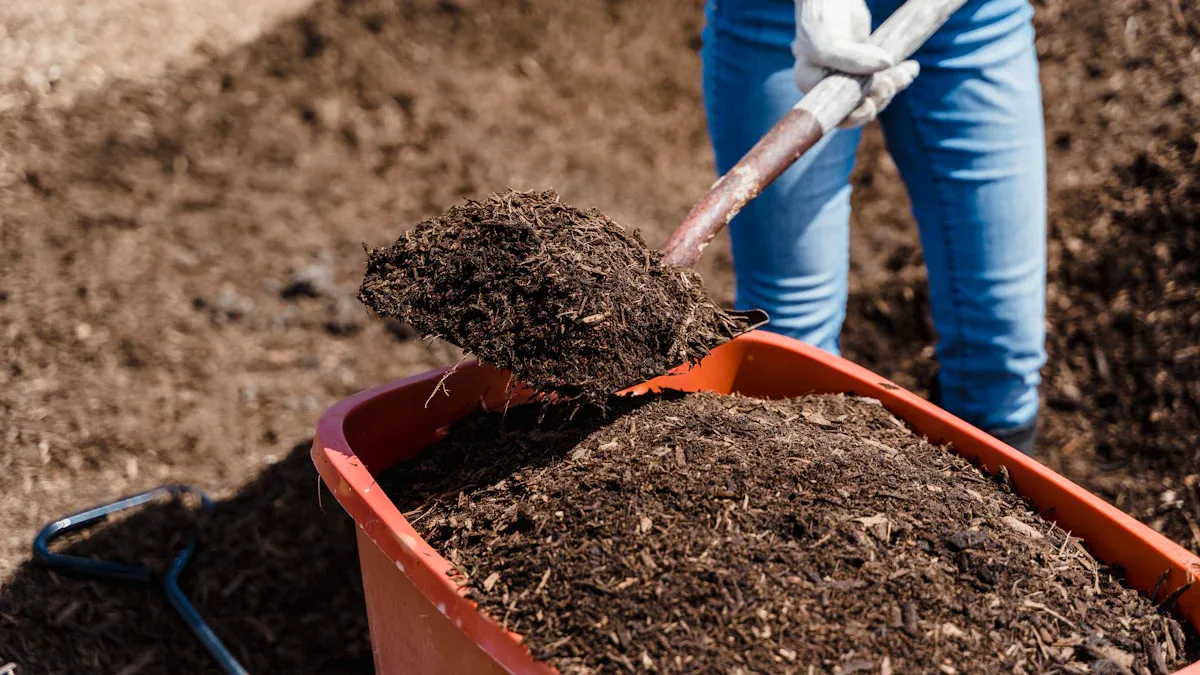
Choosing the right soil significantly impacts your tomatillo plants’ health. Quality soil provides a strong foundation for growth. Healthy plants thrive in nutrient-rich environments. When you select soil with the right composition, you enhance your plants’ ability to absorb essential nutrients.
Impact on Plant Health
Healthy tomatillos require a balanced mix of nutrients. Studies show that soil quality directly affects plant health. For example, Rojas-Solis et al. found that using Pseudomonas fluorescens strains improved tomatillo seedling development. Similarly, Hernández-Pacheco et al. reported that a rhizobacterial consortium increased root length and overall weight of tomatillo plants. These findings highlight the importance of soil quality in promoting robust growth.
Nutrient Availability
Soil composition plays a crucial role in nutrient availability. Certain nutrients are vital for tomatillo growth. Here’s a quick overview:
Nutrient | Importance for Growth | Soil Composition Effect |
|---|---|---|
Nitrogen | Promotes leaf growth and overall plant health | Excess nitrogen can delay fruit set due to excessive leaf growth. |
Phosphorus | Essential for root development and flowering | Adequate phosphorus in well-drained soil enhances fruit production. |
Potassium | Aids in fruit development and disease resistance | Proper potassium levels improve overall plant vigor. |
By ensuring your soil has the right balance of these nutrients, you set the stage for successful growing tomatillos. Remember, consistent moisture and good drainage are also key factors in maintaining healthy soil.
Right Soil Composition
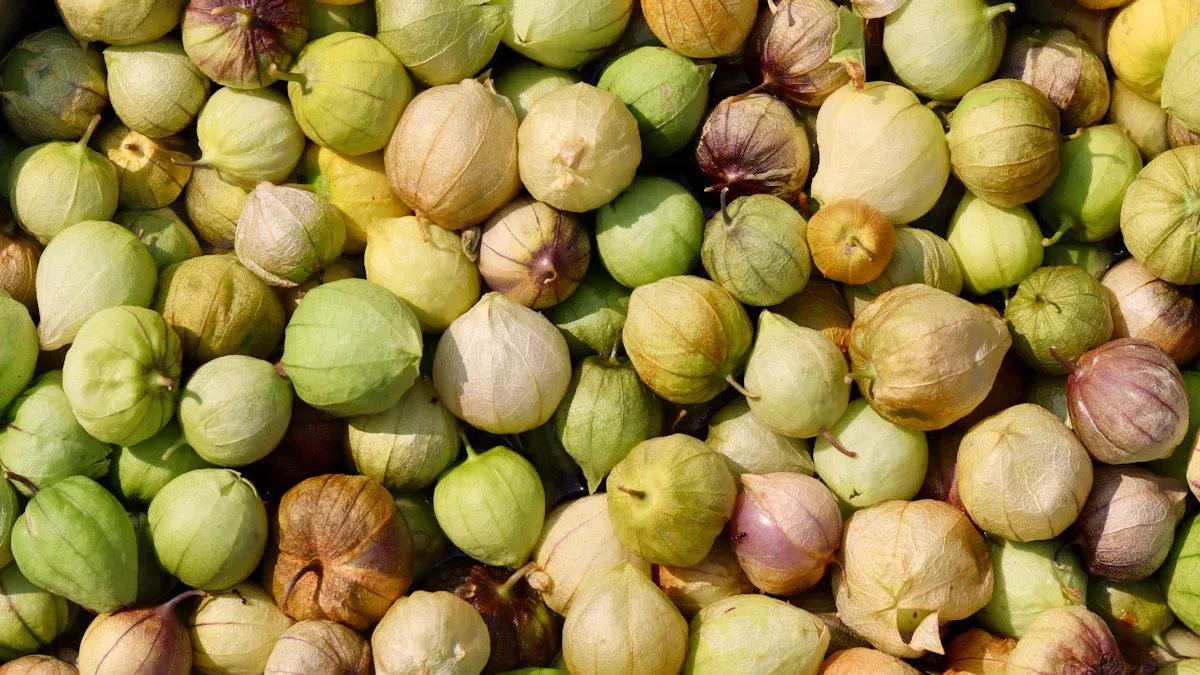
When it comes to growing tomatillos, the right soil composition is vital. Sandy loam is often recommended for its excellent drainage and nutrient-holding capacity. Here’s why sandy loam stands out:
Characteristics of Sandy Loam
Sandy loam is a blend of sand, silt, and clay. This combination creates a soil that is both well-drained and nutrient-rich. Here are some key characteristics:
Good Drainage: Sandy loam allows excess water to drain away quickly, preventing root rot.
Moderate Nutrient Retention: While it drains well, sandy loam still retains enough nutrients to support healthy tomatillo growth.
Ideal pH Range: Tomatillos thrive in sandy loam with a pH between 5.5 and 7.3. This range supports optimal nutrient availability.
Soil Type | Particle Size | Drainage Characteristics | Nutrient Retention |
|---|---|---|---|
Sandy Loam | Larger | Good | Moderate |
Clay | Small | Poor | High |
Silt | Medium | Moderate | Moderate |
Tomatillos prefer sandy loam because it provides the right balance of moisture and aeration. This balance is crucial for healthy root development.
Benefits of Compost Addition
Adding compost to your sandy loam can significantly enhance its quality. Here are some benefits of incorporating compost:
Increases Organic Matter: Compost boosts the organic matter content in your soil. Applying 1 to 2 tons of compost per acre can improve soil quality dramatically.
Enhances Nutrient Availability: Compost enriches the soil with essential nutrients, making them more accessible to your tomatillo plants.
Improves Soil Structure: Mixing compost into your sandy loam helps create a better soil structure, which promotes aeration and moisture retention.
To prepare your soil, incorporate a couple of inches of compost before planting tomatillo seeds. Fork the soil deeply to enhance drainage and ensure that your plants have the best possible start.
By focusing on the right soil composition and adding compost, you create an ideal environment for growing tomatillos. This approach not only supports healthy plants but also leads to a more bountiful harvest.
pH Levels for Tomatillos
Understanding the pH levels of your soil is essential for growing healthy tomatillos. The right soil pH ensures that your plants can absorb the nutrients they need for optimal growth.
Ideal pH Range
Tomatillos thrive best in a pH range of 6.0 to 7.0. This range allows for maximum nutrient availability. Here are some key points about pH levels for tomatillos:
Tomatillos can tolerate slightly acidic soils, with a pH as low as 5.5.
If the pH drops below 5.0, essential nutrients like nitrogen, phosphorus, and potassium become unavailable, which can hinder growth.
Conversely, if the pH rises above 7.5, nutrients such as iron and manganese also become less accessible, further affecting your plants’ health.
Maintaining the right pH is crucial for ensuring that your tomatillos receive the nutrients they need to flourish.
Testing Soil pH
To ensure your soil has the right pH, you should regularly test it. Here are some effective methods for testing soil pH:
Laboratory Testing: Submitting soil samples to a laboratory provides the most reliable results. Many local agricultural services offer this service for free or at a low cost.
Commercial Soil Test Kits: While these kits are available, they may not always provide accurate results. They often do not indicate how much lime you need to adjust the pH.
DIY Methods: You can also use simple home tests with vinegar and baking soda. However, these methods are less precise than laboratory testing.
By testing your soil pH, you can make informed decisions about how to amend your soil to create the right environment for your tomatillos.
Drainage Requirements
Good drainage is essential for growing tomatillos. Excess water can lead to root rot, which negatively impacts plant health. When soil remains waterlogged, it can hinder root development and nutrient absorption. Here’s how different drainage conditions affect tomatillo growth:
Condition | Impact on Growth Parameters | Yield Impact |
|---|---|---|
Waterlogged | Enhanced stem diameter and fruit weight | No significant reduction |
Normal Drainage | Comparable growth parameters | Highest yield in L1 treatment |
As you can see, while waterlogged conditions may not drastically reduce yield, they can still affect growth parameters. Therefore, ensuring proper drainage is crucial for optimal tomatillo cultivation.
Importance of Good Drainage
Good drainage allows excess moisture to escape, preventing root diseases and promoting healthy growth. Tomatillos thrive in well-drained soil, which helps maintain the right moisture levels. This balance supports strong root systems and enhances nutrient uptake.
Methods to Improve Drainage
You can take several steps to improve soil drainage for your tomatillo plants:
Soil Amendments: Add materials like sand, perlite, vermiculite, compost, coconut coir, peat moss, and leaf mold to enhance drainage and aeration.
Creating Rain Gardens: Utilize low spots in your landscape with appropriate plants to manage standing water and improve soil structure.
Installing Drainage Systems: Implement French drains or dry wells to redirect excess water away from garden beds.
By following these methods, you can create an ideal environment for growing tomatillos, ensuring they receive the right amount of moisture without becoming waterlogged.
Soil Preparation Tips
Preparing your soil properly is essential for the successful growth of tomatillos. Follow these steps to ensure your soil is ready for planting:
Steps for Preparing Soil
Work in Compost: Start by mixing about an inch of compost into your soil. This addition enriches the soil and improves its structure.
Loosen Roots: If you have pot-bound seedlings, gently loosen any roots. This step encourages healthy root growth once you transplant them.
Deep Planting: When planting young tomatillos, bury them deep. Aim to cover the transplant up to the first set of true leaves. This technique helps the plant establish a strong root system.
By following these steps, you create an optimal environment for your tomatillos to thrive.
Adding Organic Matter
Incorporating organic matter into your soil offers numerous benefits. Here’s how it affects soil structure and fertility:
Effect | Description |
|---|---|
Nutrient Availability | Organic fertilizers enhance nutrient availability for tomatillo plants, leading to improved growth. |
Soil Structure | The addition of organic matter improves soil structure, promoting better root development. |
Stomatal Functioning | Organic matter contributes to balanced stomatal development, crucial for plant health and productivity. |
Adding organic matter not only boosts nutrient levels but also enhances the overall health of your soil. This practice is one of the best tips for growing tomatillos successfully.
By preparing your soil and adding organic matter, you set the stage for a fruitful tomatillo harvest. Healthy soil leads to healthy plants, which ultimately results in a bountiful yield.
Common Soil Issues
Growing tomatillos can come with its challenges. You may encounter several common soil issues that can hinder your plants’ growth. Identifying these problems early can help you take corrective action.
Identifying Soil Problems
Here are some common soil issues you might face:
Soil-borne Diseases: Pathogens like Verticillium dahliae and Fusarium spp. can cause wilting in your tomatillo plants. These diseases block the supply of nutrients and water, leading to reduced growth. Affected plants may show yellowing and dropping of lower leaves, which impacts overall health and productivity.
Nutrient Deficiencies: If your tomatillos are not growing well, they may lack essential nutrients. Common deficiencies include nitrogen, phosphorus, and potassium. Signs of nutrient deficiency can include stunted growth, yellowing leaves, and poor fruit development.
Solutions for Soil Issues
To address these soil problems, consider the following solutions:
Solution Type | Description |
|---|---|
Soil Amendments | Add bone meal, rock phosphate, or manure to enrich the soil. |
Proper pH | Ensure soil pH is between 6.0 and 6.8 for optimal phosphorus availability. |
Late Stage Fertilizer | Use a late-stage fertilizer like Fox Farm Tiger Bloom for nutrient boost. |
Potassium-Rich Fertilizers | Apply fertilizers high in potassium, such as potassium sulfate or wood ash. |
Regular Watering | Maintain consistent moisture levels to prevent nutrient leaching. |
Soil Conditioning | Improve soil structure with organic matter to enhance nutrient retention. |
Epsom Salt | Dissolve Epsom salt in water and apply as a foliar spray or soil drench. |
Lime | Add dolomitic lime to increase magnesium levels and adjust pH. |
Iron Chelate | Apply iron chelate to the soil or as a foliar spray for iron deficiency. |
Organic Matter | Incorporate compost or organic matter to improve soil structure and nutrient availability. |
By recognizing these common soil issues and implementing effective solutions, you can create a healthier environment for your tomatillos to thrive.
Choosing the right soil for your tomatillos is essential for their growth and yield. Remember to prepare your soil by adding compost and ensuring proper drainage. Regularly test your soil pH to maintain optimal conditions. By following these tips, you can create a thriving environment for your tomatillos. Take action today to enhance your gardening success!
FAQ
What type of soil is best for tomatillos?
Sandy loam is ideal for tomatillos due to its excellent drainage and nutrient retention.
How often should I test my soil pH?
You should test your soil pH at least once a year to ensure optimal conditions for tomatillos.
Can I grow tomatillos in containers?
Yes, you can grow tomatillos in containers. Just ensure the container has good drainage and the right soil mix.