
Want juicy, reliable tomatoes? Start with San Marzano for dense sauce-ready fruit and Pink Ponderosa for huge, tender slicers.
Add Rainbow Cherry for bright snacking bursts and a classic Beefsteak for steady, large slicing tomatoes.
Choose disease-resistant, non-GMO seed mixes and store packets cool and dry; follow simple sowing and care to harvest flavorful tomatoes throughout the season.
| San Marzano Heirloom Tomato Seeds (Non-GMO) |
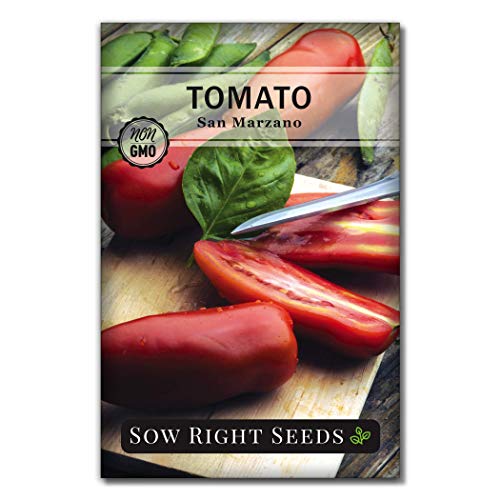
| Best for Sauces | Seed Type: Heirloom tomato seeds | Non‑GMO / Chemical Status: Non‑GMO (Safe Seed Pledge) | Intended Use: Sauce, canning, slicing, preserving | VIEW LATEST PRICE | Read Our Analysis |
| Pink Ponderosa Heirloom Tomato Seeds (Non-GMO) |

| Best Slicing Tomato | Seed Type: Heirloom tomato seeds | Non‑GMO / Chemical Status: Non‑GMO, neonicotinoid‑free | Intended Use: Slicing/table use (home growing) | VIEW LATEST PRICE | Read Our Analysis |
| Rainbow Cherry Tomato Seeds (20) — Non‑GMO Neonic-Free |

| Most Colorful Pick | Seed Type: Tomato seeds (cherry mix; heirloom-style implied) | Non‑GMO / Chemical Status: Non‑GMO, neonicotinoid‑free | Intended Use: Ornamental & edible (salads, snacking) | VIEW LATEST PRICE | Read Our Analysis |
| Beefsteak Heirloom Tomato Seeds – 1g Pouch |

| Beginner-Friendly Choice | Seed Type: Heirloom beefsteak tomato seeds | Non‑GMO / Chemical Status: (Implied) heirloom—no GMO claim explicitly, but positioned as premium heirloom seeds | Intended Use: Slicing, sandwiches, fresh salads | VIEW LATEST PRICE | Read Our Analysis |
| HOME GROWN Beefsteak Heirloom Tomato Seeds (300) |

| Best High-Yield Option | Seed Type: Heirloom beefsteak tomato seeds | Non‑GMO / Chemical Status: Heirloom (implied non‑GMO heirloom quality) | Intended Use: Fresh use, cooking, preserving, sandwiches | VIEW LATEST PRICE | Read Our Analysis |
More Details on Our Top Picks
San Marzano Heirloom Tomato Seeds (Non-GMO)
Should you want a reliable tomato that turns into rich, restaurant-style sauce with very little fuss, San Marzano heirloom seeds are a great pick for you. You’ll plant 1/4 inch deep, space plants 36 inches, and expect fruit in about 85 to 90 days. They thrive in full sun and germinate in 5 to 10 days at 70 to 80°F, so you’ll get quick starts. The fruits are meaty, 5 to 6 ounces, with small seed cavities that make saucing and canning easy. The plants grow tall, resist disease, and the non-GMO seeds come with support and a germination guarantee.
- Seed Type:Heirloom tomato seeds
- Non‑GMO / Chemical Status:Non‑GMO (Safe Seed Pledge)
- Intended Use:Sauce, canning, slicing, preserving
- Plant Habit / Type:Indeterminate / tall vines (6–8 ft)
- Growing Basics (Sowing Depth & Moisture):Sow 1/4″ deep; keep soil warm (70–80°F) and moist for germination
- Support / Guarantee:Germination support / replace policy; customer support
- Additional Feature:Classic Italian sauce tomato
- Additional Feature:Thick, meaty flesh
- Additional Feature:Solar-powered operation
Pink Ponderosa Heirloom Tomato Seeds (Non-GMO)
Should you love big, juicy slices for sandwiches and salads, the Pink Contemplateosa heirloom is a great pick for home gardeners who want classic flavor and showy fruit. You’ll enjoy large, smooth pink beefsteaks that often reach one to two pounds and carry very good, old fashioned taste. Plant seeds indoors a quarter inch deep, keep them moist, and transplant only when warm. Outdoors sow a half inch deep and avoid overwatering. Expect moderate yield and few seeds in each fruit, which makes slicing easy. Marde Ross & Company sells these non GMO seeds from a licensed California nursery.
- Seed Type:Heirloom tomato seeds
- Non‑GMO / Chemical Status:Non‑GMO, neonicotinoid‑free
- Intended Use:Slicing/table use (home growing)
- Plant Habit / Type:Beefsteak (large‑fruited indeterminate habit implied)
- Growing Basics (Sowing Depth & Moisture):Sow 1/4″ indoors; 1/2″ outdoors; keep moist while germinating
- Support / Guarantee:Seller: licensed nursery (Marde Ross & Co.)—reputable source (support implied)
- Additional Feature:Large 1–2 lb fruits
- Additional Feature:Introduced 1891 variety
- Additional Feature:Few seeds per fruit
Rainbow Cherry Tomato Seeds (20) — Non‑GMO Neonic-Free
In case you’re after a cheerful mix of color and flavor for your kitchen garden, Rainbow Cherry Tomato Seeds are a great pick for home gardeners who want something both pretty and tasty. You’ll get 20 non-GMO, neonicotinoid-free seeds that produce firm, juicy cherry tomatoes in stunning colors. Start them indoors 1/4 inch deep, keep the soil moist while they germinate, and transplant outdoors once warm, planting about 1/2 inch deep. Keep soil consistently moist but don’t overwater. Marde Ross & Company have grown this popular variety in California since 1985, so you can feel confident planting these seeds.
- Seed Type:Tomato seeds (cherry mix; heirloom-style implied)
- Non‑GMO / Chemical Status:Non‑GMO, neonicotinoid‑free
- Intended Use:Ornamental & edible (salads, snacking)
- Plant Habit / Type:Cherry tomato plants (bushy/indeterminate cherry habit implied)
- Growing Basics (Sowing Depth & Moisture):Sow 1/4″ indoors; 1/2″ outdoors; keep moist while germinating
- Support / Guarantee:Seller: Marde Ross & Co.; quality seed source (support implied)
- Additional Feature:Multi-color ornamental fruits
- Additional Feature:Pack of 20 seeds
- Additional Feature:Neonicotinoid-free
Beefsteak Heirloom Tomato Seeds – 1g Pouch
Should you want big, juicy tomatoes that taste like summer memories, this 1 gram pouch of beefsteak heirloom seeds is a great pick for home gardeners who love slicing for sandwiches and sharing with friends. You get over 400 premium seeds sealed for freshness, and clear planting instructions that make starting easy. These heirloom fruits bring rich, old-fashioned flavor and meaty slices for salads and platters. They germinate well and produce strong seedlings whenever planted in warm sunny spots with steady watering. The family-sown promise refunds you provided seeds fail, so you can plant with confidence.
- Seed Type:Heirloom beefsteak tomato seeds
- Non‑GMO / Chemical Status:(Implied) heirloom—no GMO claim explicitly, but positioned as premium heirloom seeds
- Intended Use:Slicing, sandwiches, fresh salads
- Plant Habit / Type:Beefsteak (large, vigorous vines)
- Growing Basics (Sowing Depth & Moisture):Instructions included; standard sowing and watering for tomatoes (sealed packet)
- Support / Guarantee:Refund if seeds fail to grow (family‑sown promise)
- Additional Feature:400+ seeds per pouch
- Additional Feature:Sealed for freshness
- Additional Feature:2026 season performance
HOME GROWN Beefsteak Heirloom Tomato Seeds (300)
Should you want big, juicy tomatoes for sandwiches, sauces, and fresh eating, the HOME GROWN Beefsteak Heirloom pack is a great choice for gardeners who want plenty of seeds to share and plant. You’ll get 300 seeds, enough to fill rows, gift neighbors, and experiment with spacing. The plants are vigorous indeterminate vines that keep producing until frost, so you’ll need sturdy cages or trellises and regular pruning to manage heavy fruit. Fruits reach 1 to 2 pounds, tasting rich and sweet, perfect sliced or cooked. They resist fusarium and verticillium wilt, attract bees, and suit zones 3 to 9.
- Seed Type:Heirloom beefsteak tomato seeds
- Non‑GMO / Chemical Status:Heirloom (implied non‑GMO heirloom quality)
- Intended Use:Fresh use, cooking, preserving, sandwiches
- Plant Habit / Type:Vigorous indeterminate vines (continuous production)
- Growing Basics (Sowing Depth & Moisture):Start indoors 6–8 weeks before last frost; keep consistently watered; transplant when warm
- Support / Guarantee:Pack positioned with reliable performance and disease resistance; seller support implied
- Additional Feature:300 seeds per pack
- Additional Feature:Built-in disease resistance
- Additional Feature:Continuous indeterminate yield
Factors to Consider When Choosing Tomato Fruit Seeds
When you pick tomato fruit seeds, consider about the variety type and how it fits your taste and space so you’ll enjoy the tomatoes you grow. Also consider climate adaptability and disease resistance traits because matching seeds to your weather and common pests helps prevent heartbreak. Check germination requirements and expected yield so you know how easy the seeds are to start and whether they’ll give you the productivity you want.
Seed Variety Type
Pick varieties that match how you like to garden and eat, because the right type of tomato seed shapes your whole season. You’ll choose determinate or indeterminate based on harvest rhythm. Determinate plants stay compact and produce most fruit at once, so they suit canning days and small spaces. Indeterminate vines keep giving fruit all season, so they’re great in case you want fresh tomatoes daily. Next decide heirloom or hybrid. Heirlooms offer unique flavor and history, while hybrids give uniform size, higher yields, and disease resistance. Consider about fruit type too—cherry, plum, slicing, saladette—since size affects cooking uses and how many fruits each plant will bear. Finally check days to maturity and plant habit to plan spacing and supports.
Climate Adaptability
You’ve already thought about type, size, and harvest rhythm, so now let’s match those choices to your climate so plants actually produce. Check your USDA hardiness or local zone and pick varieties rated for that range, since many tomatoes do well across zones 3–9 while some cultivars handle more extreme heat or cold. Should summers scorch, choose heat tolerant or heat set types that set fruit once days top 85°F and nights stay above 70°F to avoid blossom drop. In short seasons, favor early maturing determinate or semi determinate plants with 60 to 80 days to maturity so harvest arrives before frost. Decide habit based on season length, and whenever springs or falls vary, use varieties that set fruit between roughly 55 and 90°F and plan simple season extension like row covers or cold frames.
Disease Resistance Traits
Because diseases can wipe out a season of care, you’ll want to choose tomato seeds that come with clear resistance traits printed on the packet so you’re not left guessing, and those labels matter more than you might realize. Look for named genes like V for Verticillium, F or FF for Fusarium races, N for nematodes, Tm for tobacco mosaic virus, and Pst for Pseudomonas. Pick varieties with multiple codes whenever possible, since stacked resistance protects against several threats at once. Know resistance limits: it lowers symptoms but does not equal full immunity, especially under heavy pathogen pressure or poor care. Match resistance to your soil history and regional problems. Also choose determinate or indeterminate resistant types to fit your garden plans.
Germination Requirements
Getting tomato seeds to sprout starts with giving them the right warmth and gentle care so you don’t end up waiting and worrying. You’ll want soil between 70 and 80°F 21–27°C so seeds usually pop in 5–14 days. Sow them shallow about 1/8–1/4 inch deep in a fine, well draining seed mix so the radicle finds moisture and oxygen easily. Keep the mix consistently moist but not waterlogged and use a clear dome or plastic cover to hold humidity, then remove it once seedlings appear to prevent damping off. Should your room be cool, add bottom heat or a seedling heat mat to speed and even out germination. Recall fresher, well stored seeds germinate faster and more reliably.
Yield And Productivity
As you pick seeds, consider about how and at what point you want to harvest so the variety matches your plans and gives the yields you need. Initially, check days to maturity, like 70 to 90 plus days, so you know at what time fruit will start. Next, decide between determinate plants that give big flushes or indeterminate plants that keep producing. Also observe average fruit size and how many fruits each plant typically sets. Look for reported yields in pounds per plant or fruits per season for realistic expectations. Finally, weigh disease resistance and vigor, since healthy plants hold steady yields. These factors link together: timing affects size and number, and strength sustains production all season long.
Culinary Uses Match
As you pick tomato seeds, consider about how you’ll cook and serve the fruit so each plant matches your kitchen plans and makes your work easier. In case you plan sauces and canning, choose paste or plum types. Their meaty flesh and small seed cavities concentrate quickly, giving thick puree and less waste. For sandwiches and big slices, pick beefsteak seeds. Those large fruits hold structure and give a satisfying bite. Should you love snacking, salads, or pretty garnishes, go for cherry and cocktail seeds for sweet, firm little tomatoes. Whenever flavor and presentation matter, favor pink or heirloom slicing varieties for balanced sweetness and beauty. Provided that you want flexibility, choose indeterminate seeds that produce steady harvests for fresh, preserving, and light cooking across the season.
Seed Quantity Packaging
Consider how many plants you actually want before you pick a packet, because seed counts and packaging matter more than they seem. You’ll want dozens or hundreds depending on garden size, so check the seed count per packet to match your plans. Also look for packaging weight or a listed seed quantity so you can calculate cost per seed and choose the best value. Prefer sealed, moisture resistant packets or pouches with clear pack or sell by dates to protect viability. Pick packets that print planting instructions and germination info so you don’t have to hunt for basics. Should you be trying a new variety, select a small trial packet. In case you plan to plant many or save seeds, buy a bulk pack for better cost and convenience.