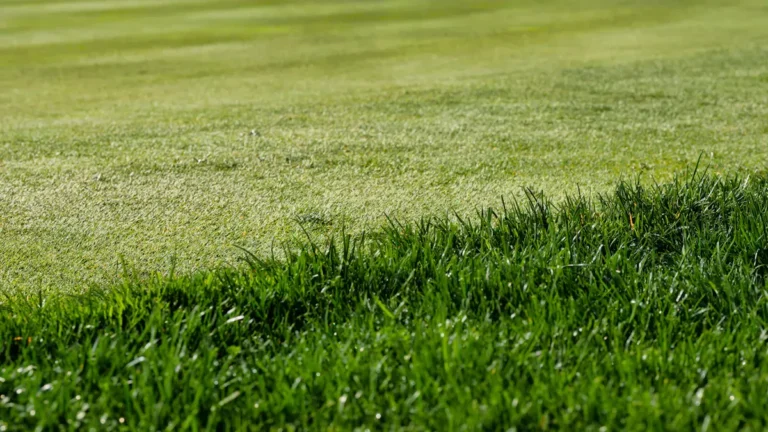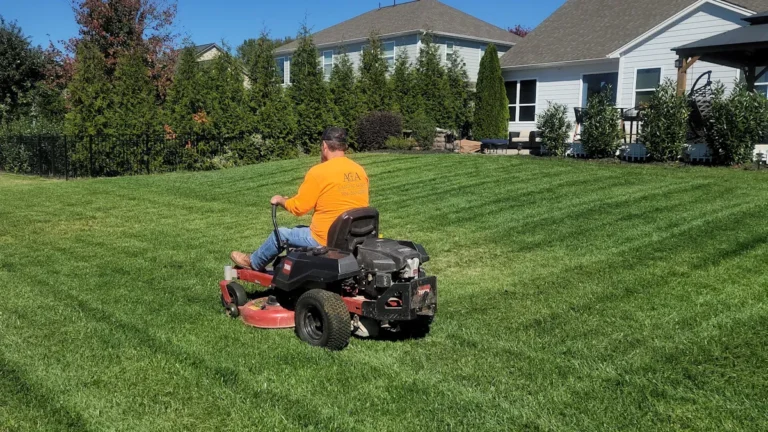
Tall fescue stands out for durability, deep roots, and good heat and shade tolerance.
These five top seeds for 2026 suit yards that get heavy foot traffic, partial shade, or occasional drought. I explain which varieties resist common diseases and which handle sun or shade best.
Use this guide to match seed choice to soil, climate, and lawn use.
| SeedRanch Falcon IV Turf Type Tall Fescue Grass Seeds – 50 lbs. |
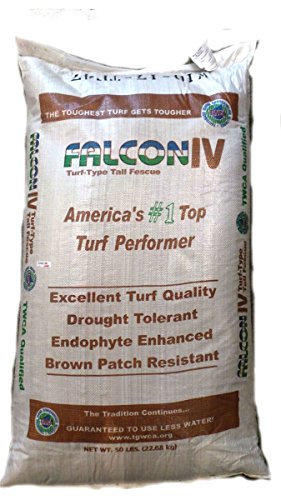
| Best Overall | Grass Type: Tall Fescue (Turf Type) | Intended Use: Lawn/turf | Stress Tolerance: Heat, disease, insect/nematode resistance (endophyte-enhanced) | VIEW LATEST PRICE | Read Our Analysis |
| Kentucky 31 (K31) Tall Fescue Grass Seed 5 lb |

| Durable Workhorse | Grass Type: Tall Fescue (KY-31) | Intended Use: Forage/food plots, pasture, hunting habitat, lawn/field | Stress Tolerance: Drought, heat, shade, traffic tolerant | VIEW LATEST PRICE | Read Our Analysis |
| Pennington The Rebels Tall Fescue Grass Seed Mix 40 lb |

| High-Performance Turf | Grass Type: Tall Fescue (Premium mix) | Intended Use: Home lawn, high-traffic turf | Stress Tolerance: Heat, drought, insect, traffic tolerant | VIEW LATEST PRICE | Read Our Analysis |
| Pennington Smart Seed Dense Shade Grass Mix Bag 7 lb |
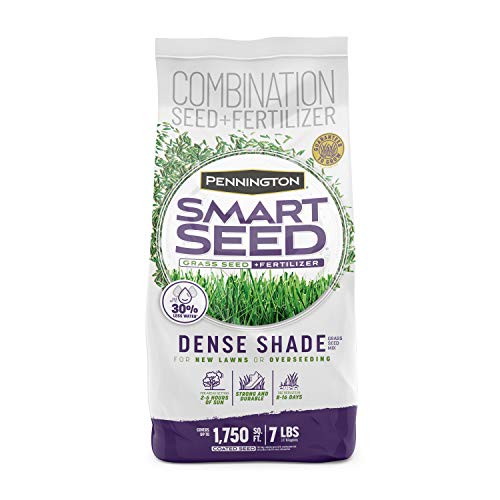
| Best for Shade | Grass Type: Tall Fescue (blend with Fine Fescue) | Intended Use: Dense shade areas (lawn) | Stress Tolerance: Shade tolerant, disease and traffic resistant | VIEW LATEST PRICE | Read Our Analysis |
| Pennington Smart Seed Sun & Shade Tall Fescue (20 lb) |
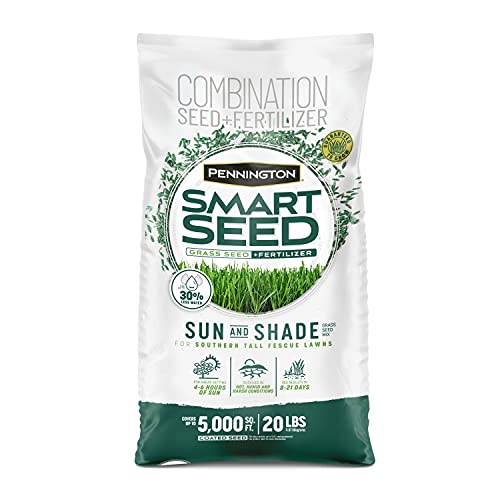
| Water-Saving Pick | Grass Type: Tall Fescue (Sun & Shade mix) | Intended Use: Sun and moderate shade lawns (southern lawns) | Stress Tolerance: Drought tolerant, disease resistant, built for hot/humid conditions | VIEW LATEST PRICE | Read Our Analysis |
More Details on Our Top Picks
SeedRanch Falcon IV Turf Type Tall Fescue Grass Seeds – 50 lbs.
In case you want a tough, green lawn that bounces back from heat and heavy use, SeedRanch Falcon IV Turf Type Tall Fescue is a smart choice for you. You’ll like that this 50 lb bag gives fast seedling establishment and improved fall recovery, so your lawn fills in sooner. It’s endophyte fortified with over 92% presence, which helps resist insects, nematodes, and brown patch disease while cutting summer weed invasion. The dark green, fine textured blades grow dense and stand up to wear. Plant in fall, water moderately, and you’ll enjoy wide adaptation and steady performance.
- Grass Type:Tall Fescue (Turf Type)
- Intended Use:Lawn/turf
- Stress Tolerance:Heat, disease, insect/nematode resistance (endophyte-enhanced)
- Best Planting Seasons:Fall (expected planting period)
- Product Weight / Coverage:50 lb
- Added Establishment Support:Fast seedling establishment; endophyte enhancement
- Additional Feature:Endophyte-enhanced seed
- Additional Feature:>92% endophyte presence
- Additional Feature:Brown patch resistance
Kentucky 31 (K31) Tall Fescue Grass Seed 5 lb
Should you want a tough, no-nonsense grass that stands up to summer heat, heavy foot traffic, and shady spots, Kentucky 31 K31 Tall Fescue 5 lb is a solid pick. You’ll appreciate pure KY31 seed from Hit List Seed, weed free with no fillers. It’s drought, heat, and shade tolerant, so it holds up where other grasses fail. You can plant in spring or fall for best results. Use it for lawns, pastures, or food plots to attract deer and elk and to build durable hunting habitat. Dimensions and ASIN are on the package, and support is available.
- Grass Type:Tall Fescue (KY-31)
- Intended Use:Forage/food plots, pasture, hunting habitat, lawn/field
- Stress Tolerance:Drought, heat, shade, traffic tolerant
- Best Planting Seasons:Spring or Fall
- Product Weight / Coverage:5 lb
- Added Establishment Support:Pure seed, no fillers (promotes reliable establishment)
- Additional Feature:Pure KY31 seed
- Additional Feature:Weed-free/no fillers
- Additional Feature:Highly deer-attractive
Pennington The Rebels Tall Fescue Grass Seed Mix 40 lb
You’ll love this Pennington The Rebels Tall Fescue mix should you need a tough, low-fuss lawn that stands up to kids, pets, and hot summer days. You’ll get a 40 lb bag that covers up to 10,000 sq. ft., so you won’t be refilling seed every week. It grows a darker, denser turf than older fescue types, with deep roots that resist heat, drought, insects, and heavy traffic. Plant in partial shade or full sun with four to six hours of light. Expect germination in eight to sixteen days. The result feels resilient, looks lush, and cuts maintenance.
- Grass Type:Tall Fescue (Premium mix)
- Intended Use:Home lawn, high-traffic turf
- Stress Tolerance:Heat, drought, insect, traffic tolerant
- Best Planting Seasons:Best planted in spring or fall (germination 8–16 days)
- Product Weight / Coverage:40 lb (covers up to 10,000 sq. ft.)
- Added Establishment Support:Tough, dense root system for establishment and durability
- Additional Feature:Darker greener turf
- Additional Feature:Deep, dense roots
- Additional Feature:Up to 10,000 sq.ft. coverage
Pennington Smart Seed Dense Shade Grass Mix Bag 7 lb
Should your yard gets only a few hours of sunlight each day, this Pennington Smart Seed Dense Shade Grass Mix is often the best choice for turning thin, patchy spots into a thick, green lawn you can be proud of. You’ll get a 7 lb bag of tall fescue blended with fine fescue, designed to thrive where light is limited. It contains starter fertilizer to help seeds take root faster. You’ll notice disease resistance and traffic tolerance as the lawn fills in. Use it where shade limits growth, and you’ll feel relief watching durable, greener turf replace bare spots.
- Grass Type:Tall Fescue (blend with Fine Fescue)
- Intended Use:Dense shade areas (lawn)
- Stress Tolerance:Shade tolerant, disease and traffic resistant
- Best Planting Seasons:(Shade mixes typically) Spring or Fall (implied for establishment)
- Product Weight / Coverage:7 lb
- Added Establishment Support:Includes starter fertilizer to support early growth
- Additional Feature:Tall + fine fescue blend
- Additional Feature:Starter fertilizer included
- Additional Feature:Thrives with 2–6 hrs sunlight
Pennington Smart Seed Sun & Shade Tall Fescue (20 lb)
In case you want a tough, low-water lawn that handles both sun and light shade, Pennington Smart Seed Sun & Shade Tall Fescue is built for you. You’ll appreciate a 20 lb bag made for Southern yards, where heat and humidity test grass. It covers up to 5,000 sq ft for overseeding or 1,660 sq ft for new lawns. Plant in early spring or fall with 4–6 hours sun. Germination appears in 8–21 days, aided by fertilizer-enhanced seed coats. Once established, expect very good drought resistance and up to 30% less water use, plus disease resilience and manufacturer support.
- Grass Type:Tall Fescue (Sun & Shade mix)
- Intended Use:Sun and moderate shade lawns (southern lawns)
- Stress Tolerance:Drought tolerant, disease resistant, built for hot/humid conditions
- Best Planting Seasons:Early Spring or Early Fall
- Product Weight / Coverage:20 lb (covers up to 5,000 sq. ft. overseed / 1,660 sq. ft. new lawn)
- Added Establishment Support:Fertilizer-enhanced seed coat technology to speed establishment
- Additional Feature:Fertilizer-enhanced seed coat
- Additional Feature:Covers 5,000 sq.ft. (overseed)
- Additional Feature:Water-conserving (uses ~30% less)
Factors to Consider When Choosing Tall Fescue Grass Seeds
Upon choosing tall fescue seed, contemplate how well it fits your climate and yard conditions so you don’t end up with patchy grass. Consider sun versus shade tolerance, drought and heat resistance, and disease and pest protection together because they all affect how the lawn will perform. Also check seed quality and purity so you get strong, true-to-type plants that make the rest of your care easier.
Climate And Zone Adaptability
Because tall fescue likes cooler weather, you’ll get the best results matching the variety to your USDA zone and the actual spots in your yard. In case you live in zones 3–7, pick standard cool-season cultivars that rebound well in spring and fall. In borderline zones around 6–8, choose types bred for extra heat and drought tolerance so summer stress won’t scare you. In colder northern areas, focus on seed with strong winter hardiness and fast fall recovery to survive freeze and thaw cycles. In warmer, humid places, look for heat and disease resistance plus deep roots to reach water. Also check microclimates like elevation, soil moisture, and wind, since they can change what works best.
Shade Versus Sun Tolerance
Provided your yard has a mix of sunny and shady spots, you’ll want to pick tall fescue seeds that match how much light each area gets; some strains handle deep shade better while others need several hours of sun to stay thick and green. In case parts of your lawn see 2 to 4 hours of sun, choose fine fescue blends made for deep shade and expect thinner turf. In areas with about 4 to 6 hours, use moderate light cultivars for fuller color and density. For sunlit zones with six or more hours, you’ll get stronger roots and better wear tolerance. Whenever planting near trees, lower seeding rates, prune branches to enhance light, and water lightly but more often. Adjust nitrogen down in shady spots.
Drought And Heat Resistance
Hot, dry stretches can stress any lawn, so you want tall fescue seeds that give your grass the best shot at staying green and strong. Look for varieties labeled heat tolerant or drought tolerant because they grow deeper roots and use water smarter. Deeper roots, often eight to twelve inches or more once mature, reach moisture that shallow roots can’t, so you’ll water less and worry less. Recall tall fescue handles heat better than fine fescues and Kentucky bluegrass, yet you should pick cultivars bred for summer survival. Plant in early fall or early spring so young plants build roots before hot weather. Know there’s a trade off: very tough types can be coarser or slower to germinate, so match traits to how your lawn should look.
Disease And Pest Resistance
You picked seeds for heat and drought survival, and now you’ll want to pick ones that stand up to bugs and disease too. Choose varieties with high endophyte presence, ideally above 90%, because those fungi inhabiting the grass cut down on leaf and crown feeding insects and help grass handle stress. Next, look for seed labeled resistant to brown patch and dollar spot to avoid summer disease flare ups and fewer fungicide applications. Prefer cultivars bred with disease resistance in their background since they show lower incidence and milder symptoms under pressure. Also pick dense, fine textured types because thicker swards block pathogens and recover faster. Finally check regional pest and disease reports and pick seed with documented tolerance to problems common in your area.
Seed Quality And Purity
Quality matters more than price whenever you’re choosing tall fescue seed, and a close look at the label will save you hassle later. You should check the purity percentage initially. Higher purity, like 90% or more, means more true fescue and less inert material or other crop seeds. Next, look at germination; aim for 80% or higher so more seeds will sprout and you won’t need as much overseeding. Also review weed seed and inert matter percentages. Low weed seed under 1 to 2% gives you cleaner turf and less competition. Supposing the tag lists endophyte presence, observe the percentage because endophytes give added insect and stress protection. Finally, confirm a recent test date and any certification to trust the label.
Establishment Speed And Germination
Start by recalling that how quickly tall fescue comes up depends on a few simple things you can control. Germination usually starts in 7 to 21 days while soil sits around 60 to 75°F. You’ll see a usable lawn in 8 to 16 weeks as roots strengthen and blades thicken. To speed things up, press seed into soil for good contact and keep the top quarter inch damp with light daily watering until shoots reach 2 to 3 inches. Plant in early fall or early spring for better results because cooler windows cut heat stress and keep soil moist. Avoid compacted or crusted soil, poor or old seed, and competing weeds, since each of those will slow germination and establishment.
Maintenance And Water Needs
Once those initial shoots are up and your lawn is starting to fill in, attention shifts to how you’ll care for the grass so it stays healthy and stress-free. You’ll water newly seeded areas lightly every day until germination, usually 7 to 21 days, then switch to deeper, less frequent watering. Aim for 1 to 1.5 inches per week delivered in one or two soakings. Established improved varieties often need about 1 inch every 7 to 10 days in dry spells. Mow at 3 to 4 inches and never cut more than one-third of the blade at once to help soil hold moisture. Improve soil with 4 to 6 inches of organic topdress and split fertilizing into multiple applications to limit leaching and extra watering.
Intended Use And Traffic Tolerance
At the time you choose tall fescue for your yard, consider how you’ll use the space and how much foot traffic it will get, because the right seed makes all the difference in how well the lawn holds up. In case you have heavy use from kids, pets, or sports, pick turf-type cultivars with dense, deep roots. They stand up to wear and recover faster. Look for varieties remarked for excellent wear tolerance, quick seedling establishment, and aggressive tillering so bare spots close sooner. In shaded areas, shade-tolerant mixes help but expect lower traffic durability and plan paths or reinforcement. Endophyte-enhanced seed amplifies vigor and stress resistance, helping grass survive repeated use. For multi-use sites balance traffic tolerance with drought, heat tolerance, and seedling speed.