Choosing the right soil mixture is vital for your cuttings’ success, especially when considering the best soil mixtures available. The right mix can greatly influence the health and growth of your new plants. Research shows that soil composition significantly impacts the success rate of plant propagation. For instance, plants in the best soil mixtures tend to develop better roots and thrive more than those in less suitable mixtures. By understanding the importance of soil, you can set your cuttings up for a flourishing future. 🌱
Key Takeaways
Choosing the right soil mixture is essential for the success of your cuttings. A good mix supports root development and overall plant health.
Key components like peat moss, perlite, and vermiculite each play a vital role in creating a balanced soil environment. Use them to enhance moisture retention and drainage.
Avoid overwatering your cuttings. Test soil moisture regularly and water only when the top inch feels dry to prevent root rot.
Follow recommended soil ratios for different types of cuttings. This ensures proper drainage and moisture retention, leading to healthier plants.
Experiment with various soil mixtures to find what works best for your specific plants. Tailoring your approach can lead to thriving cuttings.
Soil Importance
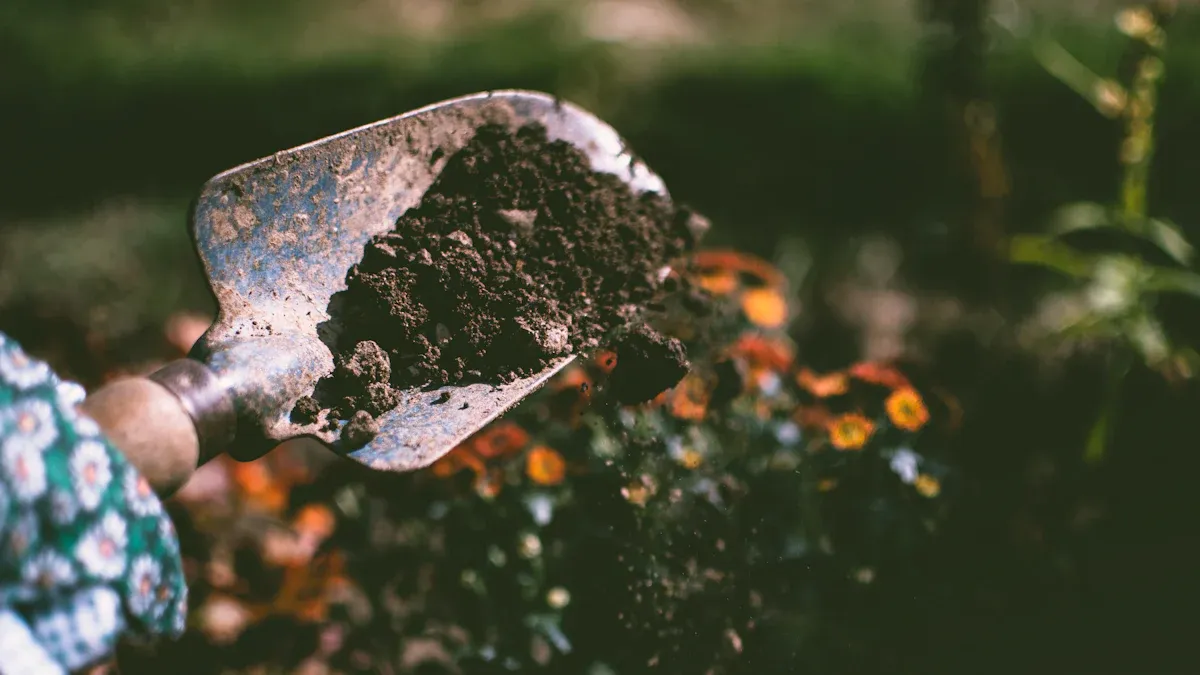
When it comes to successful plant propagation, you can’t underestimate the importance of soil. The right soil mixture provides essential nutrients, supports root development, and helps your cuttings thrive. Think of soil as the foundation for your plants. Just like a house needs a solid base, your cuttings need a good soil mix to grow strong.
Using the right soil can significantly impact your cuttings’ success rates. For example, studies show that different soil treatments lead to varying germination rates. Check out this table that highlights some findings:
Soil Treatment | Seedlings Emerged | Germination Rate (%) |
|---|---|---|
Autoclaved Native Soil | N/A | N/A |
Non-Autoclaved Native Soil | 32 | 77 |
UC Mix 2 | N/A | N/A |
UC Mix 3 | N/A | N/A |
As you can see, the type of soil you choose can make a big difference in how well your cuttings do.
Moreover, the composition of your soil affects root development. Here are some key points to consider:
Different mineral nutrients like nitrogen (N), potassium (K), and calcium (Ca) play a crucial role in helping cuttings develop roots.
Applying nutrients directly at the stem base can boost root formation, showing just how vital nutrient availability is in the rooting medium.
If your soil lacks essential elements, it can limit root growth, which affects how well your cuttings absorb nutrients.
In short, using the right soil is crucial for successful plant propagation. It sets the stage for healthy growth and vibrant plants. So, take the time to choose a soil mixture that meets your cuttings’ needs, and watch them flourish!
Key Soil Components
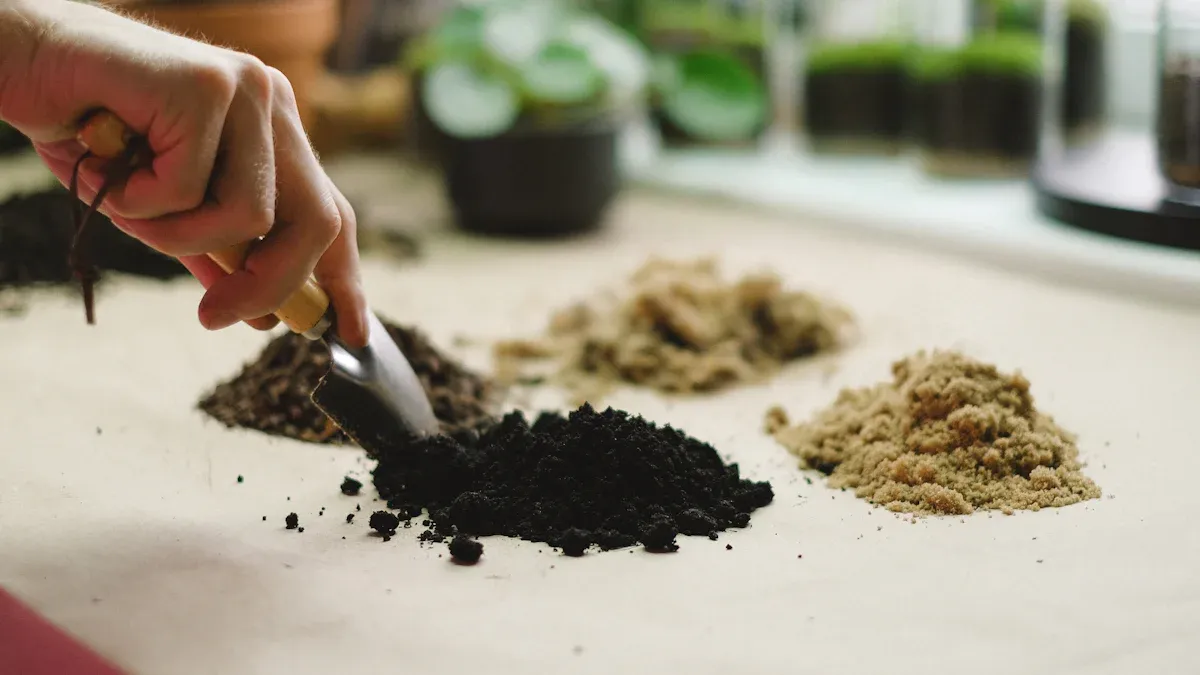
When you’re mixing soil for your cuttings, three key components stand out: peat moss, perlite, and vermiculite. Each of these ingredients plays a unique role in creating the perfect environment for your new plants. Let’s dive into what makes each one special!
Peat Moss
Peat moss is a fantastic addition to your soil mixture. It helps retain moisture, which is crucial for keeping your cuttings hydrated. Here are some important points about peat moss:
It can hold around 70% to 80% of water by weight. This means it keeps the soil consistently moist, which is essential for young roots.
Peat moss can hold up to 20 times its weight in water, ensuring that your cuttings have access to moisture when they need it most.
Most sources of sphagnum peat moss have a proper physical structure that supplies sufficient aeration while maintaining high water-holding capacity.
However, keep in mind that peat moss initially lowers the soil pH. This effect is temporary, as the pH tends to rise after just one day. So, while it can acidify the soil, its impact diminishes quickly, especially if you use alkaline water for watering.
Perlite
Perlite is another crucial component that enhances your soil mixture. It’s a lightweight volcanic glass that offers several benefits:
It improves soil aeration by creating pore spaces for air and water. This is vital for healthy root development.
Perlite enhances drainage, allowing excess water to escape. This helps prevent root rot, which can be a common issue for cuttings.
It retains moisture while promoting oxygen availability to plant roots, striking a balance that supports healthy growth.
By incorporating perlite into your soil, you create an environment where your cuttings can thrive without the risk of becoming waterlogged.
Vermiculite
Vermiculite is a mineral that adds even more benefits to your soil mixture. Here’s why you should consider using it:
Vermiculite enhances water retention and nutrient exchange, which is beneficial for your cuttings. It can retain 3-4 times its weight in water, helping maintain moisture levels for roots, cuttings, and seeds.
Its porous surface retains moisture and nutrients, allowing plant roots to access them as needed. This is especially important for young plants that are still establishing their root systems.
Since vermiculite does not break down, it provides long-lasting effects in the soil. This makes it a reliable structural component for maintaining moisture and nutrient availability.
When you mix vermiculite with other materials like peat or composted pine bark, it enhances moisture retention and supports quicker root growth. Its high porosity and lightweight nature make it an excellent choice for propagation soil mixtures.
By understanding the roles of peat moss, perlite, and vermiculite, you can create a soil mixture that supports healthy roots and thriving cuttings. Each component contributes to a balanced environment that encourages growth and development.
Best Soil Mixtures for Cuttings
When it comes to propagating your plants, the right soil mixture can make all the difference. Each type of cutting has its own unique needs, so let’s explore the best soil mixtures for succulent, woody, and herbaceous cuttings.
Mixtures for Succulent Cuttings
Succulents thrive in well-draining soil that prevents water from sitting around their roots. Here’s a simple recipe you can use:
1 part premium potting soil
1 part coarse sand or fine grit
1 part perlite or pumice
This mix provides excellent drainage while retaining just enough moisture for healthy roots. If you want to get more specific, check out this table that outlines effective soil mix ratios for various succulent types:
Plant Type | Soil Mix Ratio |
|---|---|
Peperomia ferreyrae | 1 part potting mix, 1 part pumice |
Aloe ‘Christmas Carol’ | 1 part potting mix, 2 parts gravel |
Echeveria ‘NN’ | 1 part potting mix, 2 parts gravel, 2 parts pumice |
Aloe striata | 1 part potting mix, 1 part clay, 1 part pumice, 1 part gravel |
Oxalis gigantea | 1 part potting mix, 1 part gravel, 3 parts coarse sand, 1 part clay |
Dinteranthus vanzylii | 1 part loam-based potting mix, 1 part perlite, 1 part pumice, 1 part scoria, 1 part gravel, 2 parts crushed inert stone |
Using a soil mix specifically formulated for succulents is crucial. It prevents soil compaction and enhances drainage, promoting quicker root growth. Remember, rooting succulent cuttings works best during the growing season, typically in spring.
Mixtures for Woody Cuttings
Woody cuttings, like those from shrubs and trees, require a different approach. You want a mix that retains some moisture while allowing for good drainage. Here’s a recommended mixture:
2 parts sphagnum peat moss
1 part coarse perlite
1 part sand
Alternatively, you can try this combination:
3 parts bark
2 parts peat
2 parts perlite
These mixtures help improve drainage and nutrient availability, which are essential for successful propagation. Research shows that the survival rate of hardwood cuttings is highest in a mixture of 50% perlite and 50% sand. This combination allows for better root development and a higher success rate.
Mixtures for Herbaceous Cuttings
Herbaceous cuttings, such as those from soft-stemmed plants, thrive in a light, well-draining mix. Here’s a simple recipe to get you started:
1 part river sand
1 part neutral, low-nutrient peat
1 part perlite or vermiculite
This combination provides excellent drainage while retaining moisture without compacting the roots. You can also consider this mix:
Combine 2 parts potting soil.
Add 1 part perlite or vermiculite.
Mix in 1 part coconut coir or peat moss.
Using these mixtures will help ensure healthy root growth and a successful propagation process. Remember to monitor moisture levels closely, as herbaceous cuttings can be sensitive to overwatering.
By tailoring your soil mixtures to the specific needs of your cuttings, you set the stage for thriving plants. Experiment with these recipes and watch your cuttings flourish!
Preparing Soil for Successful Plant Propagation
When you’re ready to prepare soil for your cuttings, mixing techniques and storage solutions play a crucial role. Let’s explore how to get the best results for your new plants!
Mixing Techniques
Mixing your soil properly can significantly impact the success of your cuttings. Here are some effective steps to follow:
Collect soil samples for testing. I recommend conducting Basic and Organic Matter tests to understand your soil’s needs.
Remove debris like rocks, weeds, and sticks. A clean workspace ensures your cuttings have the best chance to thrive.
Apply lime and organic matter as recommended by your soil test report. Tilling it into the soil 2-4 inches deep helps create a nutrient-rich environment.
Level the soil and add fertilizer according to the test results. Rake it in well to ensure even distribution.
Water thoroughly after mixing. Keeping the soil moist is essential for successful plant propagation.
Using these techniques will help you create a balanced soil mixture that supports healthy root development. Remember, the right mix can make all the difference in your cuttings’ growth!
Storage Solutions
Once you’ve prepared your soil, proper storage is key to maintaining its quality. Here are some tips to keep your soil mixture fresh:
Store soil in airtight containers to prevent moisture loss and contamination. This keeps your mixture ready for use when you need it.
Label your containers with the soil type and date of preparation. This helps you track freshness and ensures you use the right mix for your cuttings.
Keep soil in a cool, dry place away from direct sunlight. Excess heat can degrade the quality of your soil mixture.
By following these storage solutions, you can ensure your soil remains effective for your propagation efforts.
Taking care of your soil is just as important as caring for your plants. With the right mixing techniques and storage practices, you’ll set your cuttings up for success!
Common Mistakes in Soil Preparation
When preparing soil for your cuttings, it’s easy to make mistakes that can hinder their growth. Let’s look at two common pitfalls: overwatering and incorrect ratios.
Overwatering Issues
Overwatering is one of the most frequent mistakes you can make. New cuttings often lack roots to absorb moisture effectively. This can lead to soggy soil, which suffocates the plant and promotes rot. Here are some key points to consider:
Succulent cuttings are particularly vulnerable to excess moisture. They don’t have well-developed roots yet, making them prone to root rot.
A common misconception is that cuttings need as much water as established plants. This can saturate the soil and encourage mold and bacteria growth.
To prevent overwatering, follow these tips:
Choose well-draining soil that allows excess water to escape easily.
Use pots with drainage holes to avoid water pooling at the bottom.
Establish a watering routine by testing soil moisture every 7-10 days. Water only when the soil feels dry enough.
Adapt to seasonal changes in plant growth and evaporation rates.
Here’s a quick look at the consequences of overwatering:
Consequence | Description |
|---|---|
Nutrient Depletion | Overwatering leads to leaching of essential nutrients like nitrogen, phosphorus, and potassium. |
Poor Plant Health | Lack of nutrients results in stunted growth, yellow leaves, and fewer flowers or fruits. |
Environmental Impact | Promotes soil erosion, contaminates waterways, and disrupts ecosystems. |
Incorrect Ratios
Another common mistake is using incorrect soil ratios. If you mix your soil improperly, it can lead to poor drainage or insufficient moisture retention. For example, using too much garden soil can retain too much moisture, causing cuttings to rot before they develop roots.
To avoid this mistake, always follow recommended soil ratios for your specific cuttings. Here’s a quick reference table for common mistakes:
Mistake | Explanation |
|---|---|
Using garden soil | Garden soil retains too much moisture, which can cause cuttings to rot before they develop roots. |
Overwatering cuttings | New cuttings lack roots to absorb moisture, leading to soggy soil that can suffocate and rot the plant. |
By addressing these common mistakes, you can significantly improve your success rates in propagation. Healthy roots lead to thriving plants, so take the time to prepare your soil correctly!
In summary, choosing the right soil mixture is crucial for your cuttings’ success. Remember, each component—like nitrogen, phosphorus, and potassium—plays a vital role in plant health. Experimenting with different potting mix recipes can help you find the best combinations for your plants.
Here are some tips to enhance your propagation efforts:
Try various soil mixtures to see what works best.
Use compost to boost nutrient availability and support healthy growth.
So, roll up your sleeves and start mixing! Your plants will thank you. 🌿
FAQ
What type of soil is best for cuttings?
You should use a well-draining mix that retains some moisture. A combination of peat moss, perlite, and vermiculite works well for most cuttings.
How often should I water my cuttings?
Water your cuttings when the top inch of soil feels dry. This usually means watering every 7-10 days, but it can vary based on humidity and temperature.
Can I use regular garden soil for cuttings?
It’s best to avoid regular garden soil. It often retains too much moisture, which can lead to root rot. Use a specialized mix instead.
How do I know if my cuttings are ready to transplant?
Look for new growth or roots emerging from the bottom of the pot. This usually indicates that your cuttings are ready for transplanting.
What should I do if my cuttings start to wilt?
If your cuttings wilt, check the soil moisture. They may need water, or they could be getting too much. Adjust your watering routine accordingly.