
Looking for the best Scotts grass seed for 2026? Pick Bermudagrass Seed & Soil Improver for hot, dry Southern yards because it becomes drought-tolerant and needs light daily watering for three weeks.
Choose Fundamentals Perennial Ryegrass Mix for fast germination, heavy use, and erosion control with coated seed that retains extra moisture.
Select Tall Fescue Blend for cool or transition zones; it’s tough, forms a dense turf that crowds out weeds, and stands up to kids and pets.
Read on for planting tips and care.
| O.M. Scott Bermudagrass Seed & Soil Improver (2-Pack) |

| Best for Hot Climates | Seed Type: Bermudagrass seed blend | Package Weight: 2 × 5 lb bags (10 lb total; each bag 5 lb) | Coverage (New Lawn / Overseeding): New lawn ~665 sq. ft.; Overseeding up to ~2,000 sq. ft. (per 5 lb bag) | VIEW LATEST PRICE | Read Our Analysis |
| Scotts Fundamentals Perennial Ryegrass Mix (3 lb) |
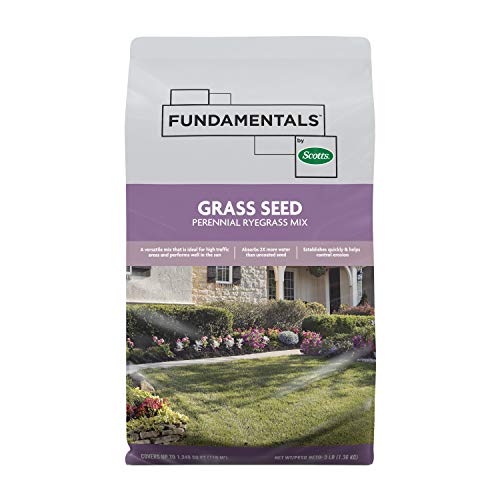
| Quick-Establishing Choice | Seed Type: Perennial ryegrass mix | Package Weight: 3 lb | Coverage (New Lawn / Overseeding): New lawn ~375 sq. ft.; Reseeding ~1,249 sq. ft. (per 3 lb bag) | VIEW LATEST PRICE | Read Our Analysis |
| O.M. Scott Tall Fescue Blend Grass Seed (8 lb) |

| Northern Lawn Favorite | Seed Type: Tall fescue blend | Package Weight: 8 lb | Coverage (New Lawn / Overseeding): New lawn ~665 sq. ft.; Overseeding up to ~2,000 sq. ft. (per 8 lb bag) | VIEW LATEST PRICE | Read Our Analysis |
More Details on Our Top Picks
O.M. Scott Bermudagrass Seed & Soil Improver (2-Pack)
Should you live in the hot, dry South and want a low-fuss lawn starter, this O.M. Scott Bermudagrass Seed & Soil Improver (2-Pack) gives you two 5 lb. bags that each cover up to 2,000 sq. ft. for overseeding or 665 sq. ft. for new lawns. You’ll plant hand-selected Bermudagrass grown in California that becomes drought tolerant once it’s established. It includes natural grass food and soil-improving clay, and has no added artificial or pest-control ingredients, so it’s safe around people and pets whenever used as directed. Apply with a Scotts spreader, water lightly daily for three weeks, and recycle the bag.
- Seed Type:Bermudagrass seed blend
- Package Weight:2 × 5 lb bags (10 lb total; each bag 5 lb)
- Coverage (New Lawn / Overseeding):New lawn ~665 sq. ft.; Overseeding up to ~2,000 sq. ft. (per 5 lb bag)
- Added Soil/Fertilizer:Natural Grass Food + soil-improving clay included
- Safety / Chemical Content:No added artificial or pest-control ingredients; safe for people and pets when used as directed
- Recommended Planting Conditions / Region:Best for hot, dry Southern regions; drought-tolerant once established
- Additional Feature:Drought-tolerant once established
- Additional Feature:Includes soil-improving clay
- Additional Feature:Sold as 2-pack (5 lb each)
Scotts Fundamentals Perennial Ryegrass Mix (3 lb)
Should you want a quick-establishing lawn that stands up to heavy use, this Scotts Fundamentals Perennial Ryegrass Mix is a smart pick because it’s made for sunny, high-traffic spots and even helps control erosion. You’ll like that the coated seed soaks up twice the water of uncoated seed, which helps young grass germinate faster whenever you keep the soil surface moist. Use a spreader, lightly rake seed under the soil, and water daily until shoots reach two inches. One 3 lb bag covers about 375 sq ft for new lawns or 1,249 sq ft for overseeding.
- Seed Type:Perennial ryegrass mix
- Package Weight:3 lb
- Coverage (New Lawn / Overseeding):New lawn ~375 sq. ft.; Reseeding ~1,249 sq. ft. (per 3 lb bag)
- Added Soil/Fertilizer:Coated seed with water-absorbent coating (improves moisture uptake)
- Safety / Chemical Content:No pesticide additions noted; follow label instructions for safe use
- Recommended Planting Conditions / Region:Best for sunny, high-traffic areas; USDA zones 10–11; plant in spring or fall at 60–80°F
- Additional Feature:Coated seed absorbs water
- Additional Feature:Fast-establishing for high traffic
- Additional Feature:Good for erosion control
O.M. Scott Tall Fescue Blend Grass Seed (8 lb)
In case you want a tough, low-maintenance lawn that fills in fast and stands up to kids, pets, and occasional drought, this Tall Fescue Blend is a smart pick. You’ll get hand-selected tall fescue varieties grown in Oregon, mixed with natural grass food and soil-improving clay. That mix helps create dense turf that crowds out weeds while staying safe for your family and pets whenever used as directed. Use it in Northern and transition zones in spring or fall whenever temps stay 65–85°F. One 8 lb bag covers up to 2,000 sq ft for overseeding and recycles in a paper bag.
- Seed Type:Tall fescue blend
- Package Weight:8 lb
- Coverage (New Lawn / Overseeding):New lawn ~665 sq. ft.; Overseeding up to ~2,000 sq. ft. (per 8 lb bag)
- Added Soil/Fertilizer:Natural Grass Food + soil-improving clay included
- Safety / Chemical Content:No added artificial ingredients or pest control chemicals; safe for people and pets when used as directed
- Recommended Planting Conditions / Region:Intended for Northern and transition regions; plant in spring or fall at 65–85°F
- Additional Feature:Grown in Oregon
- Additional Feature:Crowds out weeds naturally
- Additional Feature:Includes Natural Grass Food
Factors to Consider When Choosing Scotts Grass Seed
Whenever you pick a Scotts grass seed, consider about your climate and region initially because that tells you what grass types will thrive. Also check your soil type, how much sun or shade the area gets, and whether you need seed that handles drought or frequent watering. Finally, consider how you’ll use the lawn and how much foot traffic it will take so you choose a blend that stays healthy under real-life wear.
Climate And Region
Because your climate shapes nearly everything about a healthy lawn, pick Scotts grass seed that matches your local weather and growing season. Start by checking your USDA hardiness zone and local climate. Should you live in a hot, dry area, choose warm-season grasses that wake up once daytime temps stay above about 65 to 70°F. In cooler regions, pick cool-season varieties that do well once temps sit between 60 and 80°F. Consider how often your area gets rain and how drought-prone summers are. That will guide you to drought-tolerant mixes or those needing regular watering. Also match seed to the sun exposure common where you reside, since some grasses need full sun while others tolerate shade. Finally, plant within your regional window for best establishment.
Soil Type Compatibility
Whenever your soil feels gritty or packs into a hard ball, it’s telling you what grass will thrive there, so you should match seed to soil texture and conditions. Should your ground be sandy, pick drought-tolerant, deep-rooting mixes that drink fast and reach down for moisture. Clay soils hold water and need seed that tolerates heavier, compacted earth. Check soil pH and nutrients with a simple test so you can adjust pH or add lime or sulfur to help seedlings take up food. For poorly drained spots, aerate and work in organic matter or fix drainage before seeding to avoid rot and bare patches. In low-fertility soils, plan a starter fertilizer and choose seed that responds well to feeding and steady watering.
Sunlight And Shade
Should your yard gets bright light most of the day, pick seed meant for full sun; should parts of your lawn sit under trees or beside tall buildings, look for shade-tolerant mixes that will actually grow with less light. You’ll match seed type to sunlight through measuring average daily sun across the season. In case you get under 4–5 hours, choose shade blends or groundcovers. For morning sun and afternoon shade, pick partial shade mixes so germination stays consistent. Sunny, high-traffic spots do best with fast-establishing dense grasses, while shaded areas need slower, shade-adapted species to avoid thinning. Whenever overseeding shade, raise the seeding rate and expect slower establishment. That link between light and grind helps you set realistic care and timing expectations.
Watering And Drought Needs
You’ll want to contemplate about watering and drought needs soon, because the right seed makes caring for your lawn much easier. Start through matching seed drought tolerance to your climate. Some turfgrasses become drought tolerant once established and then need less frequent watering. Also look at seed coatings; coated seed holds moisture and often improves germination with fewer watering sessions. For establishment, plan light daily watering to keep the soil surface consistently moist until seedlings appear. After establishment, switch depending on grass type: hot dry region varieties do better with infrequent deep watering while cool-season grasses want more regular moisture. Check product labels for moisture and sun requirements so you can set realistic irrigation plans that fit your time and local weather.
Use And Traffic Tolerance
After you’ve planned watering and drought needs, consider how people will use the lawn and pick seed that can stand up to that use. If the yard sees regular foot traffic, choose Scotts mixes rated for high traffic because they recover faster from wear. Look for labels saying wear resistant or quick establishing when overseeding play areas, walkways, or sports lawns to cut bare spots. Consider about root depth and growth habit next, since stoloniferous or rhizomatous grasses fill in damaged areas faster than bunching types. Match your seed choice to the maintenance you can do, because traffic tolerant grasses often need steady moisture and more mowing while they establish. When starting a new high use lawn, use higher seeding rates and protect seedlings until grass reaches about 2 inches.