Salvia produces long-lasting, showy flower spikes that attract hummingbirds and bees.
Pick Scarlet Sage for vivid red blooms that draw hummingbirds and brighten beds.
Choose Sapphire Blue or Blue Monday for reliable, intense blue flowers that bloom throughout summer.
For containers and borders, Blue Queen gives compact, repeat flowering, while Clary Sage Pink Sundae adds fragrant, soft-pink blooms with culinary and herbal uses.
| Outsidepride Salvia Coccinea Scarlet Sage Seeds (5000) |

| Best for Pollinators | Plant Type: Salvia (Scarlet Sage) — perennial/heat-tolerant | Flower Color: Red | Pollinator Attraction: Attracts hummingbirds, bees, butterflies | VIEW LATEST PRICE | Read Our Analysis |
| Clary Sage Pink Sundae (Salvia sclarea) Flower Seeds |

| Fragrant Heirloom Pick | Plant Type: Salvia (Clary Sage ‘Pink Sundae’) — biennial/perennial herbaceous (heirloom) | Flower Color: Pink | Pollinator Attraction: Attracts birds, butterflies, other pollinators | VIEW LATEST PRICE | Read Our Analysis |
| Seed Needs Sapphire Blue Sage Heirloom Salvia Seeds |
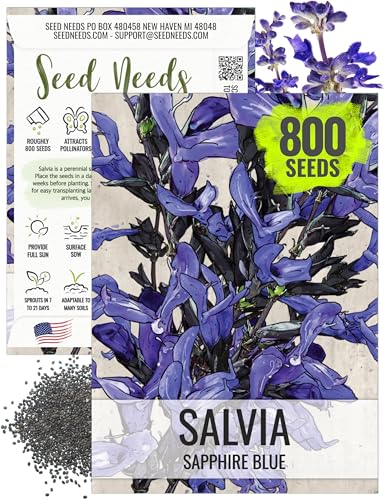
| True Blue Favorite | Plant Type: Salvia (Sapphire/Blue Sage) — perennial | Flower Color: Blue (sapphire) | Pollinator Attraction: Attracts butterflies and other pollinators | VIEW LATEST PRICE | Read Our Analysis |
| Blue Queen Salvia Seeds (Pack of 50) |

| Compact Border Star | Plant Type: Salvia (Blue Queen) — dwarf perennial | Flower Color: Deep blue | Pollinator Attraction: Attracts butterflies, bees, hummingbirds | VIEW LATEST PRICE | Read Our Analysis |
| Outsidepride Blue Monday Salvia Seeds (1,000 pcs) |
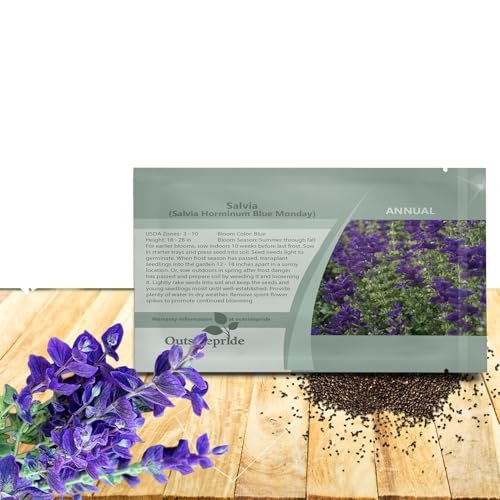
| Long-Bloom Performer | Plant Type: Salvia (Blue Monday) — annual salvia | Flower Color: Blue | Pollinator Attraction: Attracts bees, butterflies, hummingbirds | VIEW LATEST PRICE | Read Our Analysis |
More Details on Our Top Picks
Outsidepride Salvia Coccinea Scarlet Sage Seeds (5000)
Should you want a simple, showy plant that draws hummingbirds and keeps blooming all summer, Outsidepride Salvia coccinea Scarlet Sage seeds are a great pick for you. You’ll get 5,000 red, GMO free seeds in a small pack that fits easily on a shelf. Plant them indoors before frost or sow outdoors where soil is moist and drains well. They reach two to three feet, bloom all season with one inch red spikes, and tolerate heat in zones six to nine. You’ll enjoy low maintenance care, regular deadheading for more flowers, and happy pollinators visiting your garden.
- Plant Type:Salvia (Scarlet Sage) — perennial/heat-tolerant
- Flower Color:Red
- Pollinator Attraction:Attracts hummingbirds, bees, butterflies
- Sun Preference:Full sun to partial shade
- Seed Type / Trait:Non-GMO seeds
- Typical Landscape Use:Pollinator gardens, wildflower mixes, vertical color focal points
- Additional Feature:Large seed quantity
- Additional Feature:Heat-tolerant perennial
- Additional Feature:Red hummingbird magnet
Clary Sage Pink Sundae (Salvia sclarea) Flower Seeds
Should you love a garden that smells as good as it looks, Clary Sage Pink Sundae is a great pick for you because it blends bright pink blooms with a calming fragrance that attracts birds, butterflies, and other pollinators. You’ll get 100 plus heirloom seeds, so you can share plants with friends. The flowers add color and lift your mood while offering traditional medicinal uses whenever grown responsibly. Plant outdoors in mixed beds or wildflower areas where pollinators visit. You’ll enjoy scent and sight together, and you’ll watch wildlife respond as your garden becomes more lively and restful.
- Plant Type:Salvia (Clary Sage ‘Pink Sundae’) — biennial/perennial herbaceous (heirloom)
- Flower Color:Pink
- Pollinator Attraction:Attracts birds, butterflies, other pollinators
- Sun Preference:Outdoor gardens (implied full sun/typical garden exposure)
- Seed Type / Trait:Heirloom seeds
- Typical Landscape Use:Ornamental/wildflower plantings, sensory/medicinal gardens
- Additional Feature:Heirloom medicinal use
- Additional Feature:Fragrant sensory appeal
- Additional Feature:Pink aromatic blooms
Seed Needs Sapphire Blue Sage Heirloom Salvia Seeds
In case you want sapphire blue blooms that come back year after year and draw butterflies, Seed Needs Sapphire Blue Sage is a great pick for home gardeners who crave long-lasting color without fuss. You’ll get 800 heirloom, non-GMO seeds per pack, fresh from growers and sealed in tear and moisture resistant packets with clear sowing directions. Plant in full sun in zones 7 to 10, in average to fertile soil, and water regularly. Expect 12 to 24 inch plants that bloom in summer and attract pollinators. Save extras for next season provided stored cool and dry.
- Plant Type:Salvia (Sapphire/Blue Sage) — perennial
- Flower Color:Blue (sapphire)
- Pollinator Attraction:Attracts butterflies and other pollinators
- Sun Preference:Full sun
- Seed Type / Trait:Heirloom / open-pollinated, non-GMO promise
- Typical Landscape Use:Beds & borders, walkways, naturalized settings, butterfly gardens
- Additional Feature:True sapphire blue
- Additional Feature:Moisture-resistant packaging
- Additional Feature:Stored temperature-controlled
Blue Queen Salvia Seeds (Pack of 50)
Should you want a dependable splash of deep blue that won’t overpower your garden, Blue Queen Salvia seeds are a great pick because they produce compact plants with pencil-thin spires of flowers that stand about 12 inches tall. You’ll get 50 seeds, so you can fill borders, containers, or edging without fuss. They bloom heavily in mid-season summer and often rebloom later, which keeps color into fall. They like full sun, tolerate poor soil, and resist drought, so care is simple. Pollinators love them, bringing bees, butterflies, and hummingbirds to your yard and enhancing garden life. Sow midsummer or start indoors.
- Plant Type:Salvia (Blue Queen) — dwarf perennial
- Flower Color:Deep blue
- Pollinator Attraction:Attracts butterflies, bees, hummingbirds
- Sun Preference:Full sun
- Seed Type / Trait:(Implied) Heirloom/standard seed packet (pack of 50) — traditional seed variety
- Typical Landscape Use:Borders, edging, containers
- Additional Feature:Dwarf vertical form
- Additional Feature:Dense pencil-thin spires
- Additional Feature:Repeat-blooming habit
Outsidepride Blue Monday Salvia Seeds (1,000 pcs)
Should you want a crowd-pleasing, easy-care salvia that fills beds and attracts pollinators, Outsidepride Blue Monday is a smart pick for home gardeners and gardeners alike. You get 1,000 GMO-free seeds of Salvia horminum, enough to plant borders, meadows, or massed displays. The compact plants reach about 18 to 28 inches and bloom fragrant blue flowers from summer into winter. They thrive in zones 3 to 10 with full sun to partial shade and loam soil, need moderate watering, and resist deer. Sow 3 to 4 seeds per spot for dense stands that welcome bees, butterflies, and hummingbirds.
- Plant Type:Salvia (Blue Monday) — annual salvia
- Flower Color:Blue
- Pollinator Attraction:Attracts bees, butterflies, hummingbirds
- Sun Preference:Full sun to partial shade
- Seed Type / Trait:GMO-free seeds
- Typical Landscape Use:Borders, flower beds, wildflower meadows, butterfly/hummingbird gardens
- Additional Feature:Broad USDA zones (3–10)
- Additional Feature:Naturally deer-resistant
- Additional Feature:Long blooming season
Factors to Consider When Choosing Salvia Flower Seeds
At the time you pick Salvia seeds, consider about how much sun and what type of soil you can offer, since both light and drainage shape strong plants. Also consider your climate and hardiness zone alongside bloom color, season, and the plant size and habit you want for beds or containers. These factors work together, so matching them to your yard will help you grow healthier, longer-lasting Salvia with the look you love.
Sunlight And Exposure
Because sunlight shapes how salvias grow and bloom, picking the right spot matters a lot to your success. Most salvias thrive in full sun, getting six to eight hours of direct light will reward you with abundant blooms and sturdy, compact plants. Should your yard offers only three to six hours or filtered light, choose shade-tolerant varieties because they’ll cope better, though they could grow leggy and flower less. In hot regions, aim for morning sun with afternoon shade to protect leaves from scorch and keep blooms lasting longer. Watch seasonal sun paths before planting so you match each variety to its exposure. Containers under trees suit tolerant types, while open beds favor full-sun cultivars. This helps prevent poor flowering and disease.
Soil And Drainage
Good soil and quick drainage will give your salvias the strong start they need, so you’ll want to shape the ground to suit them before planting. Choose sandy loam or loamy soil that won’t stay waterlogged, because soggy roots invite rot and disease. Aim for a pH near 6.0 to 7.5 so nutrients are available and plants can thrive. Should your yard has heavy clay, work in coarse sand, perlite, or plenty of compost to loosen it and speed water movement. For pots, pick a free-draining mix with added perlite or grit and use pots with good drainage holes. Mulch lightly to save water, but pull mulch a few inches from stems to keep crowns dry and healthy.
Climate And Hardiness
Now that you’ve prepared good soil and drainage, consider about climate and hardiness so your salvias will stick around and bloom for years. Check the USDA hardiness zones for each variety and pick one rated for your zone so roots survive winter. Match heat and cold tolerance to local weather since some salvias are perennials and others act like annuals that won’t take hard freezes. Reflect on summer heat and humidity and choose varieties adapted to those conditions or to cooler, drier summers. Also weigh how long your growing season is so blooms occur before the initial frost. Should you face late frosts, long drought, or severe winters, select cultivars noted for frost tolerance, drought resistance, or stronger cold hardiness.
Bloom Color And Season
As you pick salvia seeds, consider about color and timing together so your beds keep looking lively all season. You’ll find reds, pinks, blues, and purples, so pick shades that match your palette or create bold contrast with nearby plants. Consider about peak bloom too. Some varieties flower early, others hit midsummer, and some light up late in the season. Choose a mix so one set hands off color to the next. Also look for repeat bloomers or types that respond well to deadheading for a second flush. You can stretch the season by starting seeds indoors, watering consistently, and removing spent blooms. Together these choices help you plan continuous, cheerful color without surprises.
Plant Size And Habit
Consider how big your salvia will get and how it will grow before you pick seeds, because size and habit shape both the look and the care your garden needs. You’ll choose between compact 6 to 12 inch dwarfs, medium plants, or tall 24 to 36 inch varieties depending on the space you have. Reflect on growth habit too. Upright spires add vertical interest while mounding types fill beds and trailing forms suit hanging baskets. Check spread and spacing; many salvias need 12 to 24 inches between plants for air circulation and healthy foliage. Also decide perennial versus annual habit since perennials clump and expand over years while annuals stay compact and ask to be replanted. Pick reblooming varieties should you want steady color without constant replacement.
Wildlife Attraction Value
Frequently you’ll pick salvia seeds not just for their color but for the wildlife they invite into your yard, and you should expect them to make a real difference. Consider about flower shape and color initially. Tube-shaped, nectar-rich blooms fit hummingbird bills and butterfly proboscises, so red and blue tubular salvias will bring steady visits. Then weigh flowering season and nectar rewards. Choose types that bloom from summer into fall so bees, butterflies, and hummingbirds have food during nesting and migration. Also consider plant height and spike density. Taller plants with dense flower spikes stand out and give more landing sites, increasing visits. Finally, pick larger flowers whenever you want higher nectar volumes, and mix red with blue and purple to appeal to different pollinators.
Seed Type And Purity
Pick the right seed type and purity and you’ll save time, money, and heartbreak down the road. You’ll choose between heirloom or open-pollinated seeds that stay true-to-type and let you save seed, or hybrids that often give vigor and uniform blooms but rarely breed true. Next, check purity and labeling for percent pure seed and percent inert matter. Higher purity, say over 95%, means fewer chaff and non-seed bits per packet and cleaner sowing. Also confirm germination rates, typically 60 to 90 percent for fresh, well-stored Salvia. Look for non-GMO or untreated labels should you want organic-compatible stock. Finally, note seed counts and weight so you can calculate expected seedlings using the germination percentage.
Maintenance And Care
You’ve already looked at seed type and purity, and now you’ll want to know what comes after planting: how to care for your salvia so it actually thrives. Start with soil and water. Use well-drained soil and water regularly while plants establish. After that, most varieties handle moderate drought; water weekly or once the top 1 to 2 inches feel dry. Aim for full sun to partial shade. Most salvias need at least six hours of sun, though heat-tolerant types take afternoon shade. Feed lightly with a balanced, low-nitrogen fertilizer in spring to enhance blooms, not leaves. Deadhead spent spikes and cut plants back about one third in midsummer or after flowering to spark new growth. Mulch for winter protection or bring pots indoors, and divide perennials in early spring.