Looking for the best grass for partial shade? These five picks bring thick, resilient turf and fast fixes for shady spots. Choices include Jonathan Green Black Beauty for dense growth, Scotts PatchMaster and EZ Seed for quick repairs, X-Seed Ultra Premium for heavy shade and traffic, and Pennington Smart Seed Tall Fescue for water-saving durability.
Keep soil loose, water lightly, and your lawn will green up as you learn what works in each shady corner.
| Jonathan Green 12002 Black Beauty Sun & Shade Grass Seed Mixture 3 Lb |

| Best Overall | Intended Light Conditions: Sun & Shade (full sun to partial shade) | Purpose / Use Case: Overseeding, filling bare spots, thickening lawns | Seed Blend Type (grass varieties): Mixed turf grasses (Sun & Shade mix; specific varieties not listed) | VIEW LATEST PRICE | Read Our Analysis |
| Scotts PatchMaster Sun & Shade Lawn Repair Mix |

| All-in-One Repair | Intended Light Conditions: Sun + Shade (shade/sun adaptable) | Purpose / Use Case: Bare-spot repair (seed + fertilizer + mulch) | Seed Blend Type (grass varieties): Perennial Ryegrass, Fine Fescues, Kentucky Bluegrass | VIEW LATEST PRICE | Read Our Analysis |
| X-Seed Ultra Premium Shady Lawn Grass Seed Blend |

| Shade Specialist | Intended Light Conditions: Sun and heavy shade (sun to shade, optimized for shady locations) | Purpose / Use Case: Establishing dense turf in shady/hard-to-grow areas | Seed Blend Type (grass varieties): Creeping Red Fescue, Chewings Fescue, Perennial Ryegrass, Kentucky Bluegrass | VIEW LATEST PRICE | Read Our Analysis |
| Scotts EZ Seed Patch & Repair Sun & Shade 10 lb |
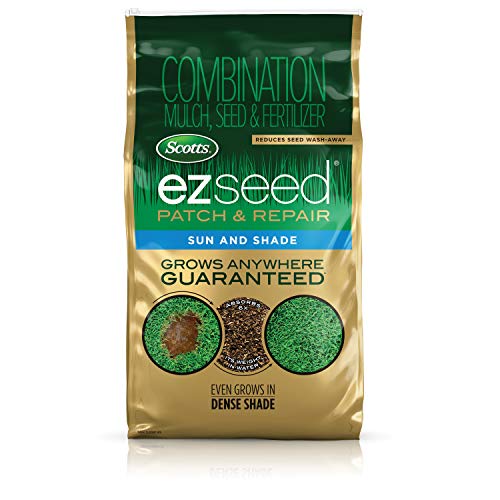
| Easiest to Use | Intended Light Conditions: Sun & Shade (full sun to dense shade) | Purpose / Use Case: Patch & repair bare spots / lawn damage | Seed Blend Type (grass varieties): Combination high-performance grass seed (multi-variety blend; specific varieties not listed) | VIEW LATEST PRICE | Read Our Analysis |
| Pennington Smart Seed Sun & Shade Tall Fescue Mix |
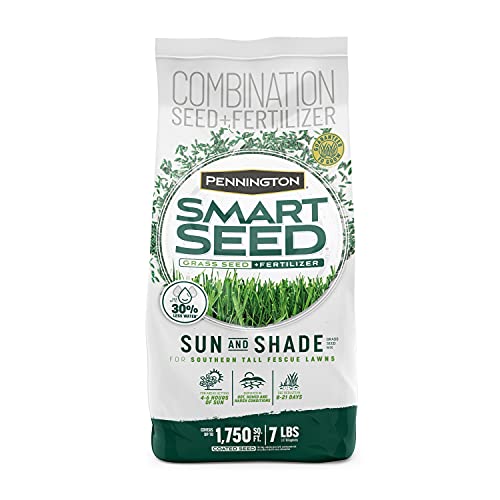
| Drought-Smart Choice | Intended Light Conditions: Sun & Shade (areas receiving ~4–6 hours sunlight) | Purpose / Use Case: Overseeding and establishing lawns in sun/partial shade (southern lawns) | Seed Blend Type (grass varieties): Tall Fescue mix (NexGen tall fescue varieties) | VIEW LATEST PRICE | Read Our Analysis |
More Details on Our Top Picks
Jonathan Green 12002 Black Beauty Sun & Shade Grass Seed Mixture 3 Lb
In case you want a lawn seed that handles both sunny spots and shady patches without fuss, Jonathan Green Black Beauty Sun & Shade is a smart pick for busy homeowners who want steady results. You’ll like that a 3 lb bag covers up to 1,125 sq ft for new lawns and up to 2,250 sq ft for overseeding, so you can plan tasks without guesswork. It grows thick turf, fills bare spots, and helps lawns look fuller fast. You’ll also appreciate natural resistance to insects and disease, plus reliable performance in full sun and partial shade.
- Intended Light Conditions:Sun & Shade (full sun to partial shade)
- Purpose / Use Case:Overseeding, filling bare spots, thickening lawns
- Seed Blend Type (grass varieties):Mixed turf grasses (Sun & Shade mix; specific varieties not listed)
- Establishment / Germination Speed / Support:Promotes dense establishment (fills bare spots; no exact days given)
- Includes Fertilizer / Establishment Aid:No explicit fertilizer included (seed-only; promotes dense turf)
- Coverage / Bag Size (coverage stated or bag weight):3 lb bag — covers up to 2,250 sq. ft. (overseeding) or 1,125 sq. ft. (new lawn)
- Additional Feature:Naturally insect resistant
- Additional Feature:Naturally disease resistant
- Additional Feature:Fills bare spots
Scotts PatchMaster Sun & Shade Lawn Repair Mix
In case you’re patching bare spots where sunlight comes and goes, Scotts PatchMaster Sun & Shade Lawn Repair Mix is a great choice because it blends grass types made to handle both sun and shade. You’ll get seed, fertilizer, and recycled mulch in one bag, so you don’t juggle parts. The mix uses perennial ryegrasses, fine fescues, and Kentucky bluegrass to start germinating in as few as seven days and to feed for up to six weeks. Apply in spring or fall whenever temperatures are 60 to 80°F, keep soil moist with daily watering, and expect good coverage for small patches.
- Intended Light Conditions:Sun + Shade (shade/sun adaptable)
- Purpose / Use Case:Bare-spot repair (seed + fertilizer + mulch)
- Seed Blend Type (grass varieties):Perennial Ryegrass, Fine Fescues, Kentucky Bluegrass
- Establishment / Germination Speed / Support:Germinates in as few as 7 days; feeds up to 6 weeks
- Includes Fertilizer / Establishment Aid:Yes — includes fertilizer (all-in-one seed + fertilizer + mulch)
- Coverage / Bag Size (coverage stated or bag weight):4.75 lb bag — covers up to 140 sq. ft. (thin) or 70 sq. ft. (bare spots)
- Additional Feature:100% recycled mulch
- Additional Feature:Feeds up to 6 weeks
- Additional Feature:Germinates in 7 days
X-Seed Ultra Premium Shady Lawn Grass Seed Blend
At the point your yard gets a mix of sun and heavy shade but you still want a thick, durable lawn, X-Seed Ultra Premium Shady Lawn Grass Seed Blend is a smart choice for you because it’s built to thrive where many seeds fail. You’ll like the blend of creeping red fescue, chewings fescue, perennial ryegrass, and Kentucky bluegrass that gives dense coverage in tough spots. It handles sun and heavy shade, needs less water and fertilizer, and works on poor soil. You can hydroseed or spray-seed it. It stands up to drought and foot traffic, so pets and kids play without wrecking turf.
- Intended Light Conditions:Sun and heavy shade (sun to shade, optimized for shady locations)
- Purpose / Use Case:Establishing dense turf in shady/hard-to-grow areas
- Seed Blend Type (grass varieties):Creeping Red Fescue, Chewings Fescue, Perennial Ryegrass, Kentucky Bluegrass
- Establishment / Germination Speed / Support:Formulated for establishment in poor soils; suitable for fall/winter planting (no exact days)
- Includes Fertilizer / Establishment Aid:Yes — described as “lawn seed and fertilizer option” (supports establishment)
- Coverage / Bag Size (coverage stated or bag weight):Bag weight not specified; focused on shady area coverage (no exact sq. ft. provided)
- Additional Feature:Works in poor soils
- Additional Feature:Less fertilizer needed
- Additional Feature:Drought-tolerant mix
Scotts EZ Seed Patch & Repair Sun & Shade 10 lb
Choose Scotts EZ Seed Patch & Repair Sun and Shade 10 lb in case you’re fixing bare spots that get both sun and shade and want fast, reliable results without a lot of guesswork. You’ll like the all-in-one mix: grass seed, expanding mulch, controlled-release fertilizer, tackifier, and a protectant to guard seedlings from disease. Prep via removing dead grass and loosening soil, then apply so bare ground still shows. Saturate until mulch darkens and keep off until grass reaches three inches. It covers up to 225 sq ft, works on slopes and high-traffic areas, and ships except to HI.
- Intended Light Conditions:Sun & Shade (full sun to dense shade)
- Purpose / Use Case:Patch & repair bare spots / lawn damage
- Seed Blend Type (grass varieties):Combination high-performance grass seed (multi-variety blend; specific varieties not listed)
- Establishment / Germination Speed / Support:Germinates when temps appropriate (best at 55–70°F soil; no exact days given)
- Includes Fertilizer / Establishment Aid:Yes — includes controlled-release fertilizer, mulch, tackifier, protectant
- Coverage / Bag Size (coverage stated or bag weight):10 lb bag — covers up to 225 sq. ft.
- Additional Feature:Super-absorbent expanding mulch
- Additional Feature:Tackifier reduces wash-away
- Additional Feature:Controlled-release fertilizer
Pennington Smart Seed Sun & Shade Tall Fescue Mix
Assuming your yard gets a mix of sun and moderate shade and you want something that bounces back in Southern heat, Pennington Smart Seed Sun & Shade Tall Fescue Mix is built for you. You’ll see sprouts in 8 to 21 days, which calms the worry of waiting. It uses up to 30% less water once established, helping you save during dry spells. Plant in the spring or fall where grass gets 4 to 6 hours of sun. The NexGen purebred seed resists disease and stays greener with an advanced fertilizer coating. Coverage fits overseeding and new lawns, and support is available.
- Intended Light Conditions:Sun & Shade (areas receiving ~4–6 hours sunlight)
- Purpose / Use Case:Overseeding and establishing lawns in sun/partial shade (southern lawns)
- Seed Blend Type (grass varieties):Tall Fescue mix (NexGen tall fescue varieties)
- Establishment / Germination Speed / Support:Visible establishment in 8–21 days
- Includes Fertilizer / Establishment Aid:Yes — fertilizer-enhanced seed coat technology (speeds establishment)
- Coverage / Bag Size (coverage stated or bag weight):7 lb bag — covers up to 1,750 sq. ft. (overseeding) or 580 sq. ft. (new lawn)
- Additional Feature:Uses up to 30% less water
- Additional Feature:NexGen seed coating
- Additional Feature:Southern heat-tolerant
Factors to Consider When Choosing Partial Shade Grass Seeds
Before you pick a partial shade grass seed, check how much light your lawn actually gets each day so you can match seed choices to real conditions. Consider soil type and a seed species mix together since some grasses handle clay, sand, or thin topsoil better and mixes give more steady coverage. Also consider about how fast you want greening, and balance germination speed with drought tolerance and water needs so you won’t be surprised by care demands.
Light Level Assessment
How much light does your lawn really get each day, and where does it matter most? You’ll want to measure sunlight over several days. Track hours in each spot: full shade under 2 hours, partial shade 2 to 4 hours, and dappled or filtered light up to 6 hours. Note the time sun arrives. Morning sun is gentler and lets you choose more tolerant grasses than harsh afternoon sun. Watch seasonal shifts as leaves fall and sun angle changes. Check light quality too, such as direct rays, filtered light beneath trees, or reflected light from walls. Map microclimates across the yard and record peak sunlight for each zone so you can match mixes to real conditions and avoid guesswork.
Soil Type Compatibility
Whenever you pick grass for a shady yard, the soil under your feet matters just as much as the light above. You’ll want to match seed choices to soil texture. Fine fescues and ryegrasses like lighter, sandy soils and take root faster there. In heavier loam or clay, some fescues and Kentucky bluegrass grow more slowly but can do well provided you prepare the ground. Test the pH since most cool season shade grasses prefer about 6.0 to 7.0, and amend acidic or alkaline soil initially. Pay attention to organic matter and structure because they control moisture and root growth. Should soil be compacted or poorly drained, aerate and add topsoil or compost. Finally, base starter fertilizer on a soil test so seedlings get balanced nutrition.
Seed Species Mix
You’ve checked the soil and adjusted pH and drainage, so now pick a seed mix that fits both the light and the ground below it. Choose mixes with clear percentages so you know what you’re planting. Should the spot be heavy shade, look for a higher share of fine fescues like creeping red, chewings, and hard fescue. They handle low light, form dense turf, and need less water and fertilizer. For quicker cover and erosion control, include some perennial ryegrass. Add a little Kentucky bluegrass for texture and durability but keep its percentage low in shady sites. Tall fescue brings deep roots and drought resistance for areas that get intermittent sun. Match ratios to your light, traffic, and moisture needs.
Germination Speed Expectations
Because shaded soil tends to stay cooler and wetter, expect grass seeds to pop up more slowly than they would in full sun, and that patience will pay off. You’ll usually see fine fescues and perennial ryegrass blends start within 7 to 21 days provided soil temps and moisture are right. Soil temperature matters a lot. Cool-season grasses do best around 50°F to 65°F, while some ryegrasses wake a bit faster near 60°F to 75°F. Keep the top quarter to half inch of soil gently damp with light, frequent watering so seeds don’t dry out and pause their work. Seed coatings or nutrient-enhanced seed can speed visible growth by protecting moisture and feeding young roots, shifting emergence toward the faster side of the range.
Drought And Water Needs
Provided you pick grass for a shady yard, water needs should shape your choice as much as shade tolerance. You’ll notice fine fescues and tall fescues usually use 20 to 30 percent less water once they’re established than many ryegrasses or bluegrasses. Choose seed blends that list deeper‑rooted varieties because those roots pull moisture from deeper soil and help during dry spells. While seedlings need frequent light watering to keep the top inch moist until they reach 2 to 3 inches, mature lawns do better with deeper cycles. Aim for about 1 to 1.5 inches of water per week in the growing season, split into one or two strong soakings. Also build soil organic matter or use topdressing to hold moisture and support slower root growth in shade.
Disease And Pest Resistance
Water needs and disease pressures often go hand in hand, so after you pick grasses that use less water in shade, it helps to take into account about how those choices handle disease and pests. Choose cultivars with documented resistance to common local diseases like brown patch and dollar spot so you won’t fight constant outbreaks. Mixed-species blends that include fine fescues and perennial ryegrass cut aggregate risk because they avoid uniform weakness. Look for seed labeled for insect tolerance and use cultural practices such as correct irrigation timing and aeration to keep pests down. Seed treatments or coated seed with starter nutrients and biological protectants help young plants resist soil pathogens during establishment. Prefer shade-bred cultivars that list strong disease resistance for the moist microclimates you’ll face.
Maintenance And Mowing
Mowing and routine care shape how well a partial shade lawn will perform, so you’ll want to pick grass seed that makes maintenance simpler and gentler. You should mow shaded lawns a bit higher, around 3 to 3.5 inches, so blades catch more light and roots stay strong. Keep blades sharp and mow often, removing no more than one third of the blade each time to cut stress. In low light, growth slows, therefore reduce mowing and only cut whenever grass reaches the target height to avoid scalping. Leave clippings as light mulch to return nutrients and hold moisture. Also change mower height across mixed light areas, and avoid heavy equipment on wet shaded turf to prevent compaction and crown damage.