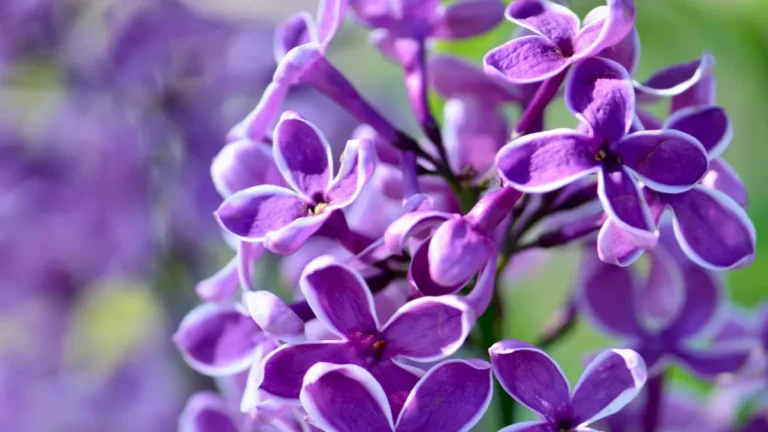

Larkspur adds tall, colorful spikes to garden beds, containers, and cutting gardens with minimal effort.
Choose seeds by mature height and bloom timing to match borders, containers, or bouquet needs.
Compact mixes suit edges and containers; Giant Imperial varieties produce dramatic stems for cutting.
Consolida and heirloom wild mixes attract pollinators and provide steady blooms across the season.
| Larkspur Standard Seeds – Mixed Colors – 1800+ Seeds |
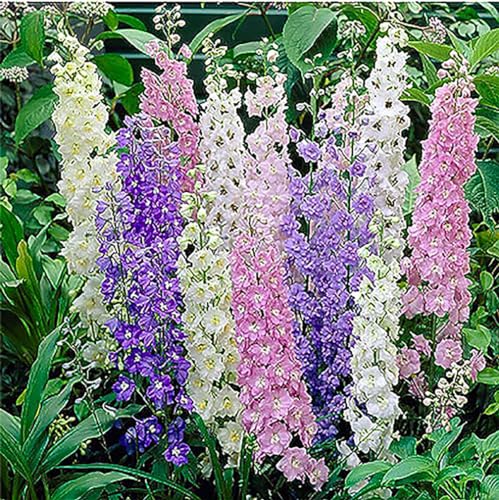
| Best for Mass Planting | Seed Count / Pack Size: 1800+ seeds | Variety / Species: Standard delphinium (larkspur) | Color Mix: Mixed colors | VIEW LATEST PRICE | Read Our Analysis |
| Larkspur Giant Imperial 100 Seeds Newly Harvested a Great Cut Flower |

| Best Cut-Flower Choice | Seed Count / Pack Size: 100 seeds | Variety / Species: Giant Imperial larkspur (Consolida/Delphinium type) | Color Mix: Mixed colors (blue, pink, lilac, rose, white) | VIEW LATEST PRICE | Read Our Analysis |
| Consolida Ajacis Larkspur Flower Seeds (500+ Pack) |

| Beginner-Friendly Pick | Seed Count / Pack Size: 500+ seeds | Variety / Species: Consolida ajacis (larkspur) | Color Mix: Vibrant mixed colors | VIEW LATEST PRICE | Read Our Analysis |
| Larkspur Wildflower Seed Mix (100+ Heirloom Non-GMO) |

| Pollinator-Friendly Option | Seed Count / Pack Size: 100+ seeds | Variety / Species: Larkspur (heirloom mix) | Color Mix: Naturally mixed (blue, purple, pink) | VIEW LATEST PRICE | Read Our Analysis |
| Delphinium (Larkspur) Flower Seeds Mix — 2000 Pack |
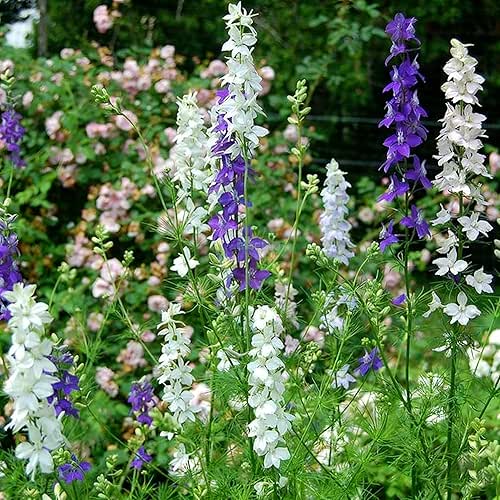
| Dramatic Garden Statement | Seed Count / Pack Size: 2000 seeds | Variety / Species: Delphinium (Consolida ajacis) larkspur mix | Color Mix: Mixed (blue, purple, white) | VIEW LATEST PRICE | Read Our Analysis |
More Details on Our Top Picks
Larkspur Standard Seeds – Mixed Colors – 1800+ Seeds
Should you want a cheerful, easygoing flower to fill the back of a wild garden or brighten a bouquet, Larkspur Standard Seeds in mixed colors are a great pick for you. You’ll appreciate 1800 plus seeds from Marde Ross & Company, a licensed California nursery since 1985. These non-GMO, neonicotinoid free seeds grow into long colored spikes with lovely green foliage that reach 18 to 24 inches. They’re easy to grow whenever you sow on bare soil, and they work well as background plants and cut flowers for bouquets or pressing. You’ll feel proud watching them bloom.
- Seed Count / Pack Size:1800+ seeds
- Variety / Species:Standard delphinium (larkspur)
- Color Mix:Mixed colors
- Use / Purpose:Background planting; cut flowers/pressing
- Ease / Grower Suitability:Easy to grow
- Pollinator / Wildlife Benefit:(Implied) attracts pollinators via flowers / good for bouquets (not explicitly stated)
- Additional Feature:Non-GMO & neonic-free
- Additional Feature:California nursery brand
- Additional Feature:Sow on bare soil
Larkspur Giant Imperial 100 Seeds Newly Harvested a Great Cut Flower
Should you love cutting fresh, tall blooms to brighten your home or share with friends, these Giant Imperial larkspur seeds are a perfect choice for you. You get 100 newly harvested seeds from Country Creek Acres, and they promise tall spikes packed with blue, pink, lilac, rose, and white flowers. You’ll start them in peat, give full sun, and water moderately. You must chill seeds for two weeks before they sprout, using a sealed bag with damp perlite, peat pots chilled, or a cold room at 40 to 50°F. Plantable peat pots make transplanting easier and protect roots.
- Seed Count / Pack Size:100 seeds
- Variety / Species:Giant Imperial larkspur (Consolida/Delphinium type)
- Color Mix:Mixed colors (blue, pink, lilac, rose, white)
- Use / Purpose:Cut flower production
- Ease / Grower Suitability:Best started from seed (requires stratification) — recommended for growers who follow chill steps
- Pollinator / Wildlife Benefit:(Not explicitly stated) designed for cut flowers (garden-friendly)
- Additional Feature:Requires cold stratification
- Additional Feature:Best as cut-flower
- Additional Feature:Packaged small/thin
Consolida Ajacis Larkspur Flower Seeds (500+ Pack)
Should you want a cheerful, easy-care flower that fills your garden or balcony with bright color, Consolida ajacis larkspur seeds are a great choice for both new and experienced gardeners. You’ll get a 500 plus pack that stretches your planting season and lets you share seeds with friends. The blooms come in vibrant hues and will transform small corners into a floral paradise while returning year after year. They grow easily in many soils and light levels, and clear instructions guide you. You’ll welcome butterflies and hummingbirds, enhance local biodiversity, and enjoy steady, bountiful blooms.
- Seed Count / Pack Size:500+ seeds
- Variety / Species:Consolida ajacis (larkspur)
- Color Mix:Vibrant mixed colors
- Use / Purpose:Ornamental display (garden transformation)
- Ease / Grower Suitability:Easy-to-grow; suitable for beginners
- Pollinator / Wildlife Benefit:Attracts butterflies and hummingbirds
- Additional Feature:Attracts hummingbirds
- Additional Feature:Described as perennial
- Additional Feature:Includes planting instructions
Larkspur Wildflower Seed Mix (100+ Heirloom Non-GMO)
Should you love tall, colorful blooms that draw bees and butterflies, this Larkspur Wildflower Seed Mix is a great pick for your garden. You’ll get 100 plus heirloom, non GMO seeds in a lively blend of blue, purple, and pink. Sow them shallow, covering with about 0.5 cm of soil, and keep the bed lightly moist until germination. Place the patch in full sun so each plant gets at least six hours of direct light daily. These tall flowers work beautifully for cut bouquets and layered garden displays, and they reliably attract pollinators to brighten your outdoor space.
- Seed Count / Pack Size:100+ seeds
- Variety / Species:Larkspur (heirloom mix)
- Color Mix:Naturally mixed (blue, purple, pink)
- Use / Purpose:Cut flowers; dimensional garden displays
- Ease / Grower Suitability:Straightforward sowing (shallow); implies easy growing
- Pollinator / Wildlife Benefit:Attracts pollinators: bees, butterflies
- Additional Feature:Heirloom seeds included
- Additional Feature:Sow very shallow (~0.5 cm)
- Additional Feature:Needs full sun (6+ hrs)
Delphinium (Larkspur) Flower Seeds Mix — 2000 Pack
In case you want a showy, tall flower that fills cottage borders and supplies bouquets, these 2000 delphinium larkspur seeds are a smart choice for gardeners planning big beds or cut-flower projects. You’ll enjoy heirloom, non-GMO Consolida ajacis seeds that yield blue, purple, and white spikes reaching four to six feet. Start seeds after refrigerating them one to two weeks, then press them lightly so light can trigger germination. Plant in full sun to partial shade, stake in windy spots, and deadhead to encourage more blooms. Cut back after flowering to invite a fall rebloom and more vase-ready stems.
- Seed Count / Pack Size:2000 seeds
- Variety / Species:Delphinium (Consolida ajacis) larkspur mix
- Color Mix:Mixed (blue, purple, white)
- Use / Purpose:Mass planting and professional cut-flower production
- Ease / Grower Suitability:Suitable for mass planting; straightforward seed starting with cold stratification
- Pollinator / Wildlife Benefit:Garden-friendly—supports floral displays (implied attraction for pollinators)
- Additional Feature:Very tall spikes (4–6 ft)
- Additional Feature:May require staking
- Additional Feature:Light-needed germination (surface sow)
Factors to Consider When Choosing Larkspur Flower Seeds
When you pick larkspur seeds, consider about how many plants you want and how tall or bushy they’ll grow so you can plan space and support. Also consider the colors and varieties you love together with germination needs and whether the seeds need cold treatment, since that affects when and how you’ll start them. Finally, match sunlight and soil preferences to your yard or containers so your choices set you up for healthy, joyful blooms.
Seed Quantity Needed
Decide how many larkspur plants you need based on considering spacing, germination, and how you’ll use the flowers. Initially, measure the area and pick spacing of 6 to 12 inches. For dense borders or mass plantings plan on 4 to 8 plants per square foot. Then factor germination and losses and sow 25 to 50 percent more seeds than the number of mature plants you want. Should you grow for cut flowers, aim for 10 to 20 or more plants per week and multiply across the length of your bloom season to find total seed needs. For big beds or meadow conversions buy hundreds to thousands of seeds. For home borders and containers choose tens to low hundreds. Also plan succession sowing every 2 to 4 weeks and add extra seeds each round.
Growth Habit & Height
Because height changes how your garden looks and feels, pick larkspur varieties that match the space and your plans. You’ll find compact standards around 18 to 24 inches tall that fit front borders, containers, and cozy spots. Taller types, reaching 3 to 6 feet, work well at the back of beds and make dramatic cut flowers, though you’ll often need stakes or wind protection to keep them upright. Also notice growth habit: single upright spikes give a classic column of color, while multi-branched clumps deliver more blooms from less ground. Should you desire longer-season interest and more cutting chances, choose a mix of early and late bloomers. That way height, habit, and timing all join to create steady, beautiful displays.
Color And Variety
Want bright blues, soft pastels, or a playful mix? You can pick from blues, purples, pinks, whites, and blended mixes to match your garden mood. Consider how color pairs with height and spike density, because tall, saturated spikes make bold vertical accents while shorter, delicate types fit borders and containers. Mixed packets give varied shades across a bed, while single-variety seeds deliver a steadier palette. Choose giant or imperial types in case you desire larger, denser flower spikes and deeper color. Should you plan to save seed, heirloom and non-GMO lines keep true classic hues. Should you prefer novel or intense tones, hybrids often deliver that, though saved seed might not replicate parent plants exactly.
Germination Requirements
At the time you’re choosing larkspur seeds, consider about how they’ll wake up in your garden and what you can do to help them start strong. Many larkspur seeds need cold stratification, so you’ll refrigerate them in a sealed bag with damp medium for one to two weeks to break dormancy. Since they need light to germinate, press seeds lightly onto the soil surface or cover with no more than about 0.5 cm of fine soil. Keep the seedbed consistently moist but not waterlogged; drying out between waterings can cut emergence sharply. Aim for cool germination temperatures, often below 18°C. With proper treatment you’ll usually see sprouts within seven to twenty-one days, depending on species and care.
Sunlight And Soil
You’ll usually get the best larkspur show in a spot that gets plenty of sun, so look for a place that gets at least six hours of direct light a day. Full sun helps plants grow tall and produce strong flower spikes. In the event you only have partial shade, expect some legginess and fewer blooms. Soil matters just as much, so choose loamy or sandy loam that drains well. Larkspurs dislike wet, compacted ground and can suffer root rot in the event water sits around roots. Aim for neutral to slightly alkaline pH near 6.5 to 7.5 and moderate fertility to encourage flowers without too much leafy growth. Keep moisture steady while they establish, but water moderately and avoid soggy spots.
Pollinator Benefits
You’ve picked a sunny, well-drained spot, and now it helps to ponder about who will visit your larkspurs. Larkspurs produce dense flower spikes full of nectar and pollen, so bees and butterflies often flock to them, and sometimes hummingbirds do too. Choose species and cultivars that bloom at different times so you create a steady food source from spring into midsummer, which keeps pollinators coming back. Plant groups of several plants close together in a sheltered place to enhance visits instead of scattering singles. Also pick varieties with tubular, spur-shaped blooms when you want to assist long-tongued pollinators like bumblebees and certain butterflies. Finally, avoid pesticides, especially neonicotinoids, to protect nectar and pollen quality for your visitors.