Growing a lush lawn fast starts with the right grass seed and fertilizer mix. I prefer nine blends that sprout quickly and fill in bare spots with thick, healthy turf.
Coated seed with starter fertilizer holds moisture, feeds young roots, and makes a huge difference in early growth.
I’ll walk through which mixes work best for sun, shade, and high-traffic yards so your grass greens up as quickly as possible.
| Pennington Smart Seed Sun and Shade Grass Mix 3 lb |
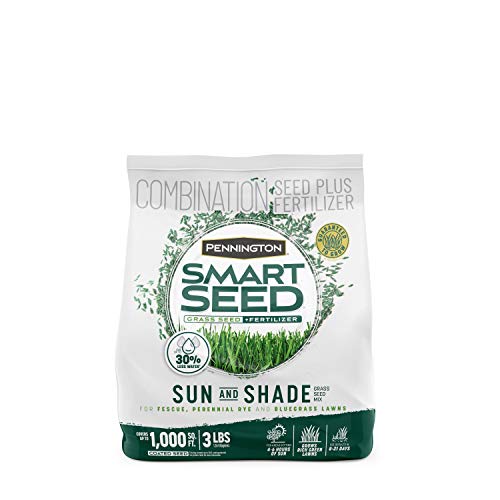
| Water-Saving Pick | Seed type / blend: Mixed blend (Tall Fescue, Perennial Ryegrass, Kentucky Bluegrass, Fine Fescue) | Includes fertilizer / nutrition: Yes — fertilizer-enhanced seed coat (planting-rate fertilizer) | Intended use (new lawn / overseed): New lawn and overseeding (covers both) | VIEW LATEST PRICE | Read Our Analysis |
| Scotts Turf Builder Thick’R Lawn Seed & Fertilizer |

| Thicker-Lawn Solution | Seed type / blend: Combination seed (sun & shade mix; unspecified exact grasses) | Includes fertilizer / nutrition: Yes — seed + fertilizer + soil improver | Intended use (new lawn / overseed): Overseed and thicken thin/weak grass | VIEW LATEST PRICE | Read Our Analysis |
| Scotts Turf Builder Tall Fescue Grass Seed Mix |

| Tough-Duty Mix | Seed type / blend: Tall Fescue mix | Includes fertilizer / nutrition: Yes — seed + fertilizer + soil improver (Root-Building Nutrition) | Intended use (new lawn / overseed): New lawn or overseed existing lawn | VIEW LATEST PRICE | Read Our Analysis |
| Scotts Turf Builder Triple Action Seeding Weed Preventer & Fertilizer |

| All-in-One Protection | Seed type / blend: Multiple turf types supported (Kentucky Bluegrass, Tall Fescue, Perennial Ryegrass, Centipede, Fine Fescues) | Includes fertilizer / nutrition: Yes — includes fertilizer plus pre-emergent weed prevention | Intended use (new lawn / overseed): New seeding / overseeding / newly planted lawns | VIEW LATEST PRICE | Read Our Analysis |
| Scotts PatchMaster Lawn Repair Mix Sun & Shade |

| Quick Patch Fix | Seed type / blend: Mix (Perennial Ryegrasses, Fine Fescues, Kentucky Bluegrass) | Includes fertilizer / nutrition: Yes — seed + fertilizer + mulch | Intended use (new lawn / overseed): Lawn repair / patching (repair, overseed) | VIEW LATEST PRICE | Read Our Analysis |
| Scotts Turf Builder Rapid Grass Tall Fescue Mix |
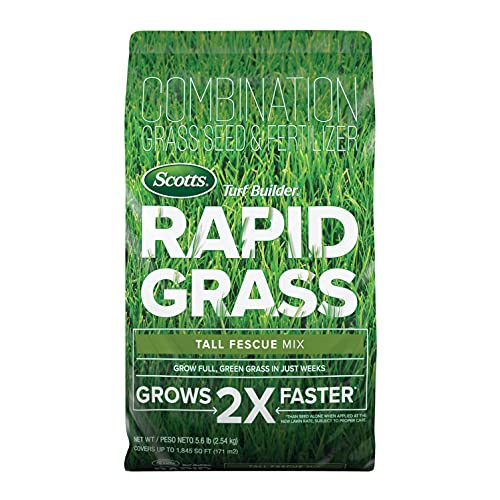
| Fast-Growth Formula | Seed type / blend: Tall Fescue mix | Includes fertilizer / nutrition: Yes — seed + fertilizer (combination product) | Intended use (new lawn / overseed): Overseeding and establishing new grass | VIEW LATEST PRICE | Read Our Analysis |
| Pennington Smart Seed Dense Shade Grass Mix Bag 7 lb |
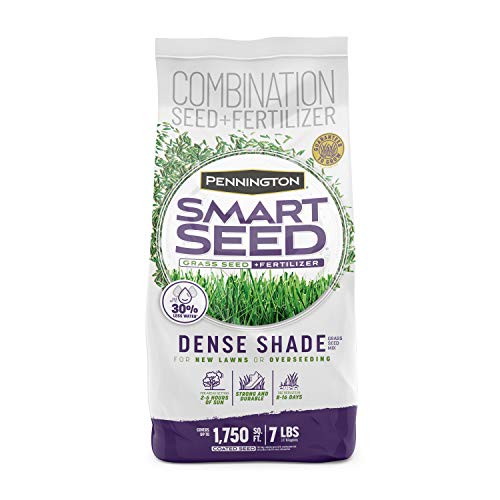
| Best For Deep Shade | Seed type / blend: Tall Fescue + Fine Fescue | Includes fertilizer / nutrition: Yes — contains fertilizer at planting rate | Intended use (new lawn / overseed): New lawn establishment or repair in shade (implied) | VIEW LATEST PRICE | Read Our Analysis |
| Scotts Turf Builder Kentucky Bluegrass Mix with Fertilizer |
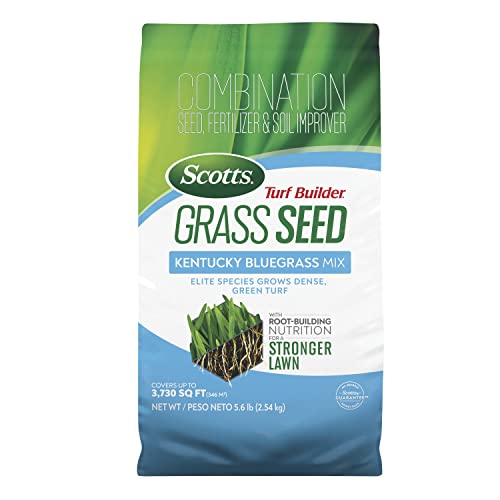
| Dense-Blue Choice | Seed type / blend: Kentucky Bluegrass mix | Includes fertilizer / nutrition: Yes — seed + fertilizer + soil improver (Root-Building Nutrition) | Intended use (new lawn / overseed): Seed new lawn or overseed existing lawn | VIEW LATEST PRICE | Read Our Analysis |
| Scotts Turf Builder Starter Fertilizer for New Grass |

| Starter Boost | Seed type / blend: Fertilizer only (starter fertilizer for any grass type; used with seed/sod/plugs) | Includes fertilizer / nutrition: Yes — starter fertilizer (24‑25‑4) | Intended use (new lawn / overseed): For planting seed, sod, grass plugs, and reseeding | VIEW LATEST PRICE | Read Our Analysis |
More Details on Our Top Picks
Pennington Smart Seed Sun and Shade Grass Mix 3 lb
Should you want a reliable seed that fills in both sunny patches and spots that get some shade, Pennington Smart Seed Sun and Shade Grass Mix 3 lb is a smart pick built for that job. You’ll like that it blends Tall Fescue, Perennial Ryegrass, Kentucky Bluegrass, and Fine Fescue so it handles 4 to 6 hours of sun and some shade. It establishes in 8 to 21 days with a fertilizer improved seed coat that helps greening and cuts water needs up to 30 percent once steady. It covers up to 1,000 sq ft for overseeding and feels dependable.
- Seed type / blend:Mixed blend (Tall Fescue, Perennial Ryegrass, Kentucky Bluegrass, Fine Fescue)
- Includes fertilizer / nutrition:Yes — fertilizer-enhanced seed coat (planting-rate fertilizer)
- Intended use (new lawn / overseed):New lawn and overseeding (covers both)
- Light tolerance (sun/shade suitability):Sun and moderate shade (4–6 hours/day)
- Best planting seasons / timing:Spring (establishment 8–21 days)
- Coverage / bag size information:3 lb bag — New lawn 330 sq. ft.; Overseeding up to 1,000 sq. ft.
- Additional Feature:Fertilizer-enhanced seed coat
- Additional Feature:Water-saving (up to 30%)
- Additional Feature:Quick germination (8–21 days)
Scotts Turf Builder Thick’R Lawn Seed & Fertilizer
Should you want an easy, all-in-one fix for thin spots in both sunny and shady parts of your yard, this Scotts Turf Builder Thick’R Lawn mix is a great choice for busy homeowners who want quick, visible improvement. You’ll get seed, fertilizer, and a soil improver in one 12 lb bag that covers 1,200 sq ft. Use it to overseed once in the beginning of spring and once in the beginning of summer or beginning of fall. Expect thicker, greener turf and stronger roots, with up to 50% thicker lawn depending on conditions. It’s straightforward to apply and saves you time and guesswork.
- Seed type / blend:Combination seed (sun & shade mix; unspecified exact grasses)
- Includes fertilizer / nutrition:Yes — seed + fertilizer + soil improver
- Intended use (new lawn / overseed):Overseed and thicken thin/weak grass
- Light tolerance (sun/shade suitability):Sun and shade
- Best planting seasons / timing:Overseed late spring and late summer/early fall
- Coverage / bag size information:12 lb bag — covers 1,200 sq. ft.
- Additional Feature:Includes soil improver
- Additional Feature:Claims up to 50% thicker
- Additional Feature:Designed for thin lawns
Scotts Turf Builder Tall Fescue Grass Seed Mix
Should you want a tough, low-fuss lawn that bounces back from heat and foot traffic, the Scotts Turf Builder Tall Fescue Mix is a smart pick for homeowners who need durability and easier establishment. You get seed, fertilizer, and soil improver in one 5.6 lb bag, so you won’t juggle parts. Use it in spring or fall to start a new lawn or overseed tired turf. It handles full sun and partial shade, offers medium to high drought resistance, and builds deeper roots with Root-Building Nutrition. Expect faster greening, strong recovery, and coverage for 465 sq ft new or 1,400 sq ft overseed.
- Seed type / blend:Tall Fescue mix
- Includes fertilizer / nutrition:Yes — seed + fertilizer + soil improver (Root-Building Nutrition)
- Intended use (new lawn / overseed):New lawn or overseed existing lawn
- Light tolerance (sun/shade suitability):Full sun and partial shade
- Best planting seasons / timing:Best used in spring or fall
- Coverage / bag size information:5.6 lb bag — New lawn 465 sq. ft.; Overseeding 1,400 sq. ft.
- Additional Feature:Root-Building Nutrition
- Additional Feature:High durability/resilience
- Additional Feature:Medium–high drought resistance
Scotts Turf Builder Triple Action Seeding Weed Preventer & Fertilizer
In case you want a simple, fast way to get new grass started while cutting down weeds, Scotts Turf Builder Triple Action Seeding, Weed Preventer & Fertilizer is made for you. You’ll find a 4.3 lb bag that covers 1,000 sq. ft. and works as a pre-emergent for up to six weeks whereas feeding seedlings. Apply on a dry lawn once temps stay between 60°F and 90°F. It protects against heat and drought and won’t harm new Kentucky Bluegrass, Tall Fescue, Perennial Ryegrass, Centipedegrass, or Fine Fescues. It also helps block dandelions, crabgrass, clover, chickweed, and nutsedge.
- Seed type / blend:Multiple turf types supported (Kentucky Bluegrass, Tall Fescue, Perennial Ryegrass, Centipede, Fine Fescues)
- Includes fertilizer / nutrition:Yes — includes fertilizer plus pre-emergent weed prevention
- Intended use (new lawn / overseed):New seeding / overseeding / newly planted lawns
- Light tolerance (sun/shade suitability):Suitable for new seed in various turf types (sun/partial shade implied)
- Best planting seasons / timing:Apply when soil/air temps 60–90°F; used when planting new grass (seasonal timing implied)
- Coverage / bag size information:4.3 lb bag — covers 1,000 sq. ft.
- Additional Feature:Pre-emergent weed control
- Additional Feature:Protects vs heat/drought
- Additional Feature:Safe for new seed
Scotts PatchMaster Lawn Repair Mix Sun & Shade
In case you want a simple, fast fix for bare spots that works in both sun and shade, Scotts PatchMaster Lawn Repair Mix Sun + Shade is built for you. You get a 4.75 lb bag with seed, fertilizer, and recycled mulch. The seed blend mixes perennial ryegrasses, fine fescues, and Kentucky bluegrass so it thrives in varied light. Seed can sprout in as few as 7 days and fertilizer feeds up to 6 weeks. Mulch soaks up three times its weight in water to keep seed moist and in place. One bag covers about 140 sq. ft. and works best in 60 to 80°F.
- Seed type / blend:Mix (Perennial Ryegrasses, Fine Fescues, Kentucky Bluegrass)
- Includes fertilizer / nutrition:Yes — seed + fertilizer + mulch
- Intended use (new lawn / overseed):Lawn repair / patching (repair, overseed)
- Light tolerance (sun/shade suitability):Sun + Shade mix
- Best planting seasons / timing:Best in fall or spring (day temps 60–80°F)
- Coverage / bag size information:4.75 lb bag — covers up to 140 sq. ft.
- Additional Feature:Includes moisture-retaining mulch
- Additional Feature:Mulch is 100% recycled
- Additional Feature:Fast germination (~7 days)
Scotts Turf Builder Rapid Grass Tall Fescue Mix
You’ll love Scotts Turf Builder Rapid Grass Tall Fescue Mix should you need a fast, low-fuss fix for bare spots or a fresh, new lawn that takes root quickly. You get seed plus starter fertilizer in a 5.6 lb bag. It targets tall fescue and works for new lawns or overseeding large problem areas. Apply in spring or fall whenever soil is about 60°F to 80°F. Follow directions for new lawn or overseed rates to see up to twice the speed of seed alone. One bag covers 615 sq ft new lawn or 1,845 sq ft for overseeding.
- Seed type / blend:Tall Fescue mix
- Includes fertilizer / nutrition:Yes — seed + fertilizer (combination product)
- Intended use (new lawn / overseed):Overseeding and establishing new grass
- Light tolerance (sun/shade suitability):Full sun/partial shade (implied; spring/fall use)
- Best planting seasons / timing:Apply in spring or fall (soil temp 60–80°F)
- Coverage / bag size information:5.6 lb bag — New lawn 615 sq. ft.; Overseeding 1,845 sq. ft.
- Additional Feature:Grows 2X faster claim
- Additional Feature:Large overseed coverage
- Additional Feature:Combines seed + fertilizer
Pennington Smart Seed Dense Shade Grass Mix Bag 7 lb
Should you’ve got a patch of yard that only catches a few hours of sun, Pennington Smart Seed Dense Shade Grass Mix 7 lb is a reliable choice that’s built for those stubborn shady spots. You’ll plant a blend of tall fescue and fine fescue that’s made for 2 to 6 hours of sunlight. It grows thick, green turf in low light, and it stands up to foot traffic and common diseases. The bag includes fertilizer at the planting rate to help seedlings establish faster. You’ll appreciate a durable, low-stress lawn that fills in shady areas with confidence.
- Seed type / blend:Tall Fescue + Fine Fescue
- Includes fertilizer / nutrition:Yes — contains fertilizer at planting rate
- Intended use (new lawn / overseed):New lawn establishment or repair in shade (implied)
- Light tolerance (sun/shade suitability):Dense shade (2–6 hours sunlight) — formulated for shade
- Best planting seasons / timing:For shady areas (timing implied; contains starter fertilizer)
- Coverage / bag size information:7 lb bag — coverage not explicitly stated (formulated for dense shade)
- Additional Feature:Formulated for low light
- Additional Feature:Contains starter fertilizer
- Additional Feature:Traffic-resistant variety
Scotts Turf Builder Kentucky Bluegrass Mix with Fertilizer
Pick this Scotts Turf Builder Kentucky Bluegrass Mix with Fertilizer as soon as you want an easier path to a thick, green lawn without buying separate products. You’ll get seed, fertilizer, and soil improver in one 5.6 pound bag, so you can seed new areas or overseed tired spots in spring or fall. It thrives in full sun and light shade, builds deep roots with Root-Building Nutrition, and gives medium drought resistance plus high durability. Expect dense, green turf covering 1,240 square feet for new lawns or 3,730 square feet for overseeding. It’s simple, reliable, and time saving.
- Seed type / blend:Kentucky Bluegrass mix
- Includes fertilizer / nutrition:Yes — seed + fertilizer + soil improver (Root-Building Nutrition)
- Intended use (new lawn / overseed):Seed new lawn or overseed existing lawn
- Light tolerance (sun/shade suitability):Full sun and light shade
- Best planting seasons / timing:Best seasons spring and fall
- Coverage / bag size information:5.6 lb bag — New lawn 1,240 sq. ft.; Overseeding 3,730 sq. ft.
- Additional Feature:Root-Building Nutrition
- Additional Feature:High overseed coverage
- Additional Feature:Medium drought resistance
Scotts Turf Builder Starter Fertilizer for New Grass
At the time of planting seed, laying sod, or setting grass plugs and desire faster, thicker results, Scotts Turf Builder Starter Fertilizer for New Grass is built for that job. You’ll see new lawns grow 70% thicker and 35% quicker than unfed grass if you use it correctly. It fits seeding, starting a lawn, reseeding, sod, and plugs, so you won’t need multiple products. The 24-25-4 formula gives young roots and shoots the steady nutrition they need. One 3 lb bag covers 1,000 sq ft, but take into account it’s not sold in Florida. It’s safe for any grass type, too.
- Seed type / blend:Fertilizer only (starter fertilizer for any grass type; used with seed/sod/plugs)
- Includes fertilizer / nutrition:Yes — starter fertilizer (24‑25‑4)
- Intended use (new lawn / overseed):For planting seed, sod, grass plugs, and reseeding
- Light tolerance (sun/shade suitability):Compatible with any grass type (usable in sun or shade depending on seed)
- Best planting seasons / timing:Use when planting new grass (seed, sod, plugs) — timing depends on grass type (starter fertilizer)
- Coverage / bag size information:3 lb bag fertilizer — covers 1,000 sq. ft.
- Additional Feature:High starter N (24-25-4)
- Additional Feature:Speeds establishment metrics
- Additional Feature:Also for sod/plugs
Factors to Consider When Choosing Grass Seed and Fertilizer Mixes
When I’m choosing a grass seed and fertilizer mix, I initially consider how much sun or shade my lawn gets and what kind of soil I have so the plants can actually thrive. I also consider what seed blend matches my lawn goals and how fast I need it to germinate, since that affects my watering schedule and patience. Finally, I pay close attention to drought tolerance and watering needs so I can pick a mix that fits my lifestyle and keeps me from worrying about constant care.
Sunlight and Shade Needs
Because sunlight changes across a yard and season, I always start measuring how many hours of direct sun different areas receive before I choose a seed and fertilizer plan.
I track average daily sunlight across the growing season and match seed mixes to those ranges: full sun 6+ hours, partial sun or part shade 4–6 hours, and dense shade 2–4 hours. I pick fine fescues or some tall fescues for 2–6 hours and choose Kentucky bluegrass or perennial ryegrass where I get 6+ hours for best density. In shady spots I reduce sowing rates a bit to avoid overcrowding and disease. I expect slower germination and longer establishment in shade, so I plan patience and lighter mowing. For mixed light I use blended mixes to improve uniformity.
Soil Type Match
When your soil drains like a sieve or holds water like a bathtub, matching seed and fertilizer to that reality will save you time and headaches later. I start testing texture and pH so I know whether the ground is sandy, clay, or loamy. For sandy sites I pick drought tolerant, deep rooting grasses and a starter fertilizer with slow release phosphorus plus organic matter to hold nutrients. On clay I choose wet tolerant varieties and add fertilizer or soil improvers rich in organic matter or gypsum to loosen compaction and enhance aeration. With loam I use balanced seed blends and moderate nitrogen phosphorus starters to support shoots and roots. Finally I correct pH with lime or sulfur initially, then match fertilizer to CEC.
Seed Blend Selection
Now that I know the soil’s texture and pH, I pick seed blends that will actually thrive in those conditions and match how you use the lawn. I choose blends based on the dominant grass types for your region and whether the lawn is cool season or warm season.
Then I match varieties to light levels, since fine fescues do well in shade and Kentucky bluegrass favors sun. I consider traffic tolerance because tall fescue and perennial ryegrass stand up to kids and pets better, while fine fescues suit low-maintenance sites. I also prioritize drought and disease resistance whenever dry spells or fungi are likely. Finally I look at establishment traits like seed coating and faster germinators to get early cover and cut erosion risk.
Germination Speed Expectations
In case you want reliable results, grasping how fast seed will sprout matters as much as choosing the right variety, and I’ll walk you through the key factors that set realistic expectations.
I’ve learned that cool-season grasses vary: perennial ryegrass and tall fescue usually show up in about 7 to 21 days, while Kentucky bluegrass often takes 14 to 30 days. Seed coatings and starter fertilizer help through holding moisture and feeding seedlings, so you often see growth near the faster end of those ranges. Soil temperature is a major control, with bluegrass preferring about 50 to 65°F and rye and fescue doing best around 60 to 75°F. Poor seed contact, low fertility, shade, or compacted soil will delay emergence.
Watering and Drought Needs
Even though watering feels simple, choosing grass seed for low irrigation needs starts with grasping how different varieties use water, and I’ll walk you through what really matters. I recommend drought tolerant species like tall fescue and certain fine fescues because they need less water once established. Look for mixes or coated seeds that hold moisture or contain starter nutrients so you water less during germination. Plan to seed in spring or fall whenever soil stays moist naturally, which lowers the need for extra watering. Match your schedule to soil type: sandy soil calls for short, frequent sprays, while clay needs fewer, deeper soaks to push roots down. Expect seedlings to need light daily watering for roughly 8 to 21 days.
Disease and Pest Resistance
You’ve learned how watering affects seed choice and establishment, so let me show how disease and pest resistance fits with that care. I pick seed with proven resistance ratings to brown patch, dollar spot, and rust because it lessens fungicide needs and keeps turf dense. I also favor blended mixes of tall fescue, perennial ryegrass, Kentucky bluegrass, and fine fescue since mixes stop one pathogen from hitting everything. Seed with coatings and starter fertilizer helps seedlings get strong fast, and strong seedlings resist pests and disease better. I match species to local heat, moisture, and shade stresses so grass isn’t weakened and inviting to insects. Finally, I follow proper mowing heights, smart irrigation, and timely fertilizing because culture and resistance must work together.
Coverage and Seeding Rates
Let’s figure out how much seed and fertilizer you really need so you don’t waste money or end up with thin patches. I always start by checking the bag’s coverage for new lawn versus overseeding. New lawns usually call for higher rates, for example three to eight pounds per 1,000 square feet for fescue blends. Overseeding is lighter, often one to three pounds per 1,000 square feet. Should your soil is thin or compacted, I increase the rate and add extra for bare spots. Whenever seed comes coated with fertilizer or mulch, I follow the maker’s broadcast rate since coatings change volume. Ultimately I convert area to bags through dividing lawn square footage through the bag coverage and round up for uneven application and losses.
Fertilizer Nutrient Balance
We’ve figured out how much seed and fertilizer to spread, and now I want to help you pick the right nutrient mix so that all that effort actually pays off. Whenever starting a new lawn, I look for a starter fertilizer high in phosphorus like 20-25-4 because it enhances root growth and helps seedlings establish. For overseeding or established turf, I choose balanced or nitrogen-focused mixes such as 10-10-10 or 20-5-10 to encourage leaf growth and quick greening without extra phosphorus. I favor slow-release nitrogen to feed steadily and cut burn risk. I always check guaranteed analysis and application rate to avoid overapplying. Finally, I use a soil test to match nutrients to real needs and avoid overload.