You can stretch blooms from spring through fall by choosing five versatile seed types. Pick a pollinator mix to feed hummingbirds and butterflies, high-yield zinnias and dahlias for nonstop cut flowers, a 25-pack of assorted packets to fill borders and gaps, Chocolate Cherry sunflowers for dramatic height and late-season color, and rainbow petunias for quick container impact.
Each selection suits different sun, soil, and care needs. Read on for the best sowing times, spacing, and simple care tips to keep flowers blooming all season.
| Seed Needs Hummingbird & Butterfly Pollinator Flower Seed Mix |

| Best for Pollinators | Pollinator-friendly: Attracts hummingbirds, butterflies, bees, ladybugs | Seed count / pack size: ~15,000 seeds (1.0 oz pouch) | Non-GMO / heirloom status: GMO-free; majority open-pollinated/heirloom; some hybrids | VIEW LATEST PRICE | Read Our Analysis |
| HOME GROWN Zinnia Dahlia Seeds Pack (524) |

| Best for Cut Flowers | Pollinator-friendly: Attracts butterflies, bees, ladybugs | Seed count / pack size: 524 seeds | Non-GMO / heirloom status: USA-packed, high-germination (implied non-GMO/premium) | VIEW LATEST PRICE | Read Our Analysis |
| Assorted Flower Seed Packets (25-Pack) |
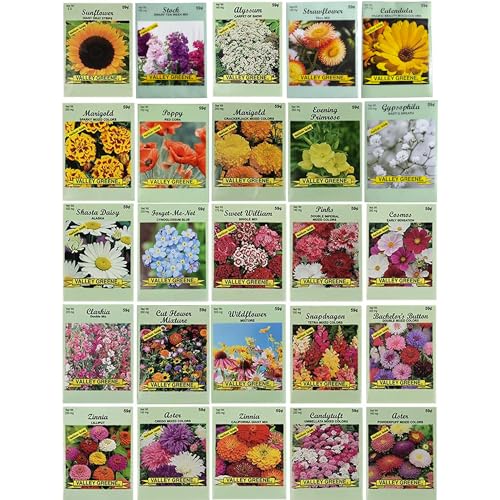
| Best Variety Pack | Pollinator-friendly: Encourages pollinators (butterflies, bees) | Seed count / pack size: 25 individual seed packets (multiple seeds per packet) | Non-GMO / heirloom status: 100% non-GMO | VIEW LATEST PRICE | Read Our Analysis |
| Chocolate Cherry Sunflower Seeds — Giant Burgundy Heirloom |
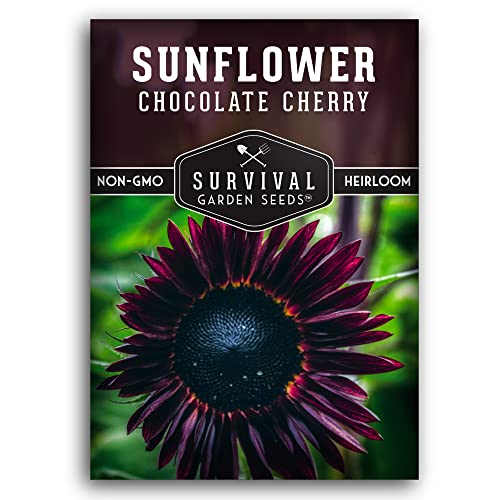
| Most Dramatic Blooms | Pollinator-friendly: Attracts bees, butterflies, birds | Seed count / pack size: Heirloom sunflower seeds (packet — unspecified count; quality-tested, fresh) | Non-GMO / heirloom status: Heirloom, non-GMO | VIEW LATEST PRICE | Read Our Analysis |
| Mixed Rainbow Petunia Seeds – Heirloom Non-GMO |

| Best for Containers | Pollinator-friendly: Attracts bees, butterflies, hummingbirds | Seed count / pack size: 5,000+ seeds (5000+ total) | Non-GMO / heirloom status: Open-pollinated, non-GMO, heirloom | VIEW LATEST PRICE | Read Our Analysis |
More Details on Our Top Picks
Seed Needs Hummingbird & Butterfly Pollinator Flower Seed Mix
Should you want a backyard that buzzes and flutters all summer, Seed Needs Hummingbird and Butterfly Seed Mix is a great pick for gardeners who love wildlife and want simple results. You’ll find a 1 ounce resealable pouch holding about 15,000 seeds of 23 easy species. You can sow in spring on average soil, press seeds to surface, water daily, and watch blooms from summer to fall. The mix includes annuals and perennials like cosmos, milkweed, and scarlet salvia, so flowers vary in color and height. It attracts hummingbirds, butterflies, bees, and ladybugs, and stores well.
- Pollinator-friendly:Attracts hummingbirds, butterflies, bees, ladybugs
- Seed count / pack size:~15,000 seeds (1.0 oz pouch)
- Non-GMO / heirloom status:GMO-free; majority open-pollinated/heirloom; some hybrids
- Sun requirement:Full sun
- Best uses (ornamental / cut / beds):Wildflower beds, pollinator gardens, mass plantings, sharing
- Bloom season / timing:Blooms Summer to Fall (spring sowing)
- Additional Feature:Bulk resealable pouch
- Additional Feature:~15,000 seeds included
- Additional Feature:23 species mix
HOME GROWN Zinnia Dahlia Seeds Pack (524)
Should you want a large, reliable pack that makes planting for a whole yard or a community garden easy, this HOME GROWN Zinnia Dahlia Seeds Pack is a great choice. You get 524 premium, USA-packed seeds with high germination, so you can sow widely and share extras. The double, dahlia-like blooms come in many colors, including two-toned dramatic edges, and each plant yields dozens of cuttable stems. They reach 24 to 36 inches and love full sun, hot dry spots, and well-drained soil. Pollinators love them, they last well in a vase, and beginners will find them forgiving and rewarding.
- Pollinator-friendly:Attracts butterflies, bees, ladybugs
- Seed count / pack size:524 seeds
- Non-GMO / heirloom status:USA-packed, high-germination (implied non-GMO/premium)
- Sun requirement:Full sun, thrives in hot/dry climates
- Best uses (ornamental / cut / beds):Borders, beds, containers; excellent for cut flowers/bouquets
- Bloom season / timing:Flowers 8–10 weeks after planting; continuous blooms through summer
- Additional Feature:Double dahlia-like blooms
- Additional Feature:524 high-germination seeds
- Additional Feature:Cut-flower friendly
Assorted Flower Seed Packets (25-Pack)
In case you want an easy way to fill big swaths of your garden with color, this 25-pack of assorted flower seed packets is a great choice for gardeners who like variety without the fuss. You’ll get 25 individual packets with over ten possible varieties, like zinnias, marigolds, poppies, snapdragons, pinks, and forget-me-nots. Each packet holds many seeds so you can create full patches, borders, or wildflower areas with ease. Seeds are 100% non-GMO and made and packaged in the United States. Varieties might slightly differ between sets, which keeps each season pleasantly surprising.
- Pollinator-friendly:Encourages pollinators (butterflies, bees)
- Seed count / pack size:25 individual seed packets (multiple seeds per packet)
- Non-GMO / heirloom status:100% non-GMO
- Sun requirement:Suitable for outdoor sun-exposed beds (mix for typical garden use)
- Best uses (ornamental / cut / beds):Mixed flower beds, borders, mass plantings, wildflower areas
- Bloom season / timing:Seasonal mix providing staggered blooms through the growing season (spring/summer)
- Additional Feature:25 individual packets
- Additional Feature:Slight variety assortment
- Additional Feature:Made in USA
Chocolate Cherry Sunflower Seeds — Giant Burgundy Heirloom
You’ll love Chocolate Cherry sunflower seeds should you want a bold, uncommon bloom that still plays nicely in family gardens and small yards. You’ll get large 5 to 8 inch burgundy black blooms with chocolate centers on tall 6 to 7 foot annuals. They branch nicely, so you can plant them in beds, borders, or containers and enjoy blooms from summer through fall. They attract bees, butterflies, and birds while staying low pollen, so they suit ornamentals and habitat. Seeds are rare heirloom, non GMO, fresh and untreated from a family owned USA company, with easy planting and seed saving guidance.
- Pollinator-friendly:Attracts bees, butterflies, birds
- Seed count / pack size:Heirloom sunflower seeds (packet — unspecified count; quality-tested, fresh)
- Non-GMO / heirloom status:Heirloom, non-GMO
- Sun requirement:Full sun
- Best uses (ornamental / cut / beds):Beds, borders, containers; excellent cut flowers
- Bloom season / timing:Blooms Summer through Fall
- Additional Feature:6–7 ft towering plants
- Additional Feature:Rare burgundy blooms
- Additional Feature:Low-pollen variety
Mixed Rainbow Petunia Seeds – Heirloom Non-GMO
Bright, bold, and built for busy gardeners, these Mixed Rainbow Petunia seeds are a perfect pick provided you want a flood of color with minimal fuss. You get 5000 plus heirloom, open pollinated seeds in a cheerful mix of red, rose, pink, violet, yellow, orange, white, and lavender. The pack includes dwarf, bonsai, and grandiflora types that spread silky trumpet blooms on bright green plants, great for containers, hanging baskets, borders, and pollinator gardens. Press seeds into soil and leave them uncovered for light germination, or start indoors 8 to 10 weeks before last frost. Packaged to stay fresh.
- Pollinator-friendly:Attracts bees, butterflies, hummingbirds
- Seed count / pack size:5,000+ seeds (5000+ total)
- Non-GMO / heirloom status:Open-pollinated, non-GMO, heirloom
- Sun requirement:Suitable for outdoor; instructions for indoor start but intended for sun exposure outdoors
- Best uses (ornamental / cut / beds):Containers, hanging baskets, borders, pollinator gardens
- Bloom season / timing:For earlier blooms start indoors; blooms during the growing season (summer)
- Additional Feature:5000+ seeds total
- Additional Feature:Includes dwarf & grandiflora
- Additional Feature:Light-germination required
Factors to Consider When Choosing Flower Seeds
As you pick flower seeds, consider about how much sun your spot gets and whether the soil will support the plants you love. Also consider at what point each variety blooms, how well it will attract pollinators, and whether the seed quantity and quality match your garden goals. These factors work together to help you choose seeds that’ll thrive and bring the joy you’re hoping for.
Sunlight And Exposure
Whenever your garden gets steady sun, you’ll see big differences in which seeds thrive and which struggle, so match seeds to the light pattern you actually have. Start by noting daily sun hours and label spots as full sun, part sun, or shade. Choose seeds that list the matching light need so you won’t be surprised by poor blooms. Consider east or west exposure since morning sun is cooler and kinder to heat-sensitive plants, and afternoon sun can stress them. Watch seasonal shifts too because tree leaf-out or new fences can cut light as summer arrives, changing bloom timing. Suppose you start seeds indoors or in containers, add grow lights and give seedlings 12 to 16 hours of bright light to stay sturdy.
Soil Type Compatibility
Whenever you want flowers that actually thrive, start alongside matching seeds to your soil because different textures and pH levels change how seeds germinate and roots grow. Initially figure out your soil texture: sandy soils drain fast, clay holds water and compacts, and loam gives the best balance for most seeds. Then test pH; many ornamentals like near neutral 6.0 to 7.0, while some wildflowers and salvias do better in slightly acidic or alkaline spots. Check drainage and add organic matter like compost or well rotted manure to heavy soils to improve aeration and moisture holding. Match seeds to moisture: pick drought tolerant varieties for dry soils and moisture loving types for damp areas. Also consider fertility needs and pick native wildflowers for low nutrient sites.
Bloom Time Range
Assuming you want color that lasts from spring into fall, start checking each seed’s bloom time and how long it holds color. You’ll note typical bloom periods like early summer, mid-summer, and late summer into fall so you can plan continuous color instead of one short flush. Combine quick-flowering annuals that bloom in six to ten weeks with perennials that take a season or two to peak. Also check flowering length; some last four to six weeks while others rebloom for months. Stagger peak times by planting initially, mid, and late season varieties so the garden keeps changing. Should you need blooms for events, use days-to-bloom from sowing or transplanting to schedule plantings for target dates.
Pollinator Attraction Potential
You’ve planned bloom times so color lasts through the seasons, and now it helps to ponder about which flowers will actually bring pollinators into your garden. Choose a mix of shapes so more species visit. Tubular blooms draw hummingbirds, open disk flowers attract bees, and flat platforms please butterflies. Also pick colors to match visitors: reds and oranges for hummers, bright blues, purples, pinks, and yellows for bees and butterflies. Combine nectar-rich plants with pollen producers so adults and young both get food. Favor native or heirloom varieties whenever you can because local pollinators often prefer them. Stagger species with different bloom timings to keep nectar available. Finally, avoid removing pollen with excessive deadheading so visits stay rewarding.
Seed Quantity And Quality
A few careful measurements will save you time and heartbreak later, so start checking how many seeds are in a packet and what area they’ll cover. Count matters because tiny seeds can number thousands per ounce, while large seeds need only a few dozen to fill a square foot. Next, check the germination rate and multiply it by seed count to know how many seedlings to expect, so you don’t under-plant. Look for seed age and storage particulars, since fresh seeds kept cool and dry stay viable longer. Pick packet sizes that match your project. Should you plan to save seed, choose non-GMO, untreated, or heirloom types because hybrids and treated seeds can limit future quality.