You can grow crisp, flavorful celery at home with the right seeds and steady care.
Choose reliable varieties such as Utah Tall or Utah 52-70 for tall, stringless stalks, or select clearly sourced non-GMO options like Sow Right Tall and Organic Utah Tall for container growing.
For larger gardens, buy bulk heirloom seed from suppliers like TKE Farms that handle cool weather well, and keep McCormick celery seed in the pantry as a flavor backup.
Keep soil rich, consistently moist, and well fed, space plants broadly, and watch for bolting during temperature spikes.
| Sow Right Tall Utah Celery Seeds (Non-GMO Heirloom) |
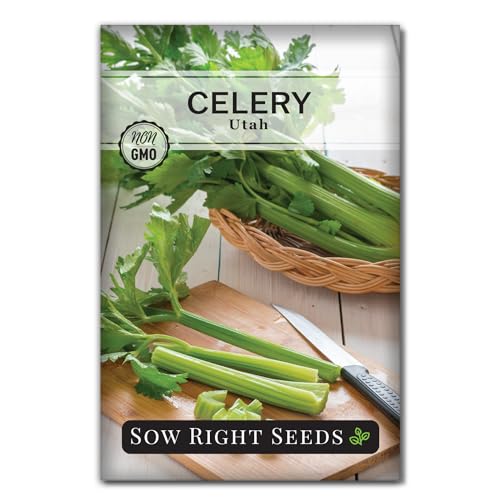
| Best Overall | Variety/Type: Utah (Apium graveolens) heirloom | Seed Count / Packet Quantity: ~400 seeds (min. 500 mg) | Non-GMO / Heirloom status: Non-GMO, heirloom | VIEW LATEST PRICE | Read Our Analysis |
| Seed Needs Celery Seeds (Utah 52-70) |
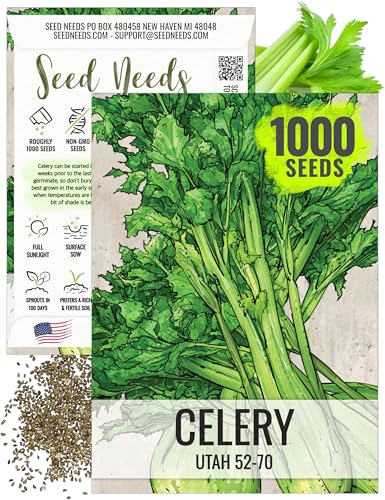
| Most Reliable Choice | Variety/Type: Utah 52-70 (Apium graveolens) cultivar | Seed Count / Packet Quantity: generous quantity per packet (unspecified count) | Non-GMO / Heirloom status: Non-GMO; majority open-pollinated/heirloom | VIEW LATEST PRICE | Read Our Analysis |
| McCormick Gourmet Celery Seed 1.62 oz |

| Pantry Staple | Variety/Type: Celery seed (culinary seed, Apium graveolens) | Seed Count / Packet Quantity: 1.62 oz (culinary seed weight) | Non-GMO / Heirloom status: (Culinary seed) not specified as heirloom but common celery seed | VIEW LATEST PRICE | Read Our Analysis |
| Organic Utah Tall Celery Seeds (Heirloom 250mg) |

| Best Organic Pick | Variety/Type: Utah Tall (Apium graveolens) heirloom | Seed Count / Packet Quantity: ~500 seeds (250 mg) | Non-GMO / Heirloom status: USDA Organic, Non-GMO, heirloom | VIEW LATEST PRICE | Read Our Analysis |
| TKE Farms Utah Celery Seeds Heirloom Non-GMO (2500+) |
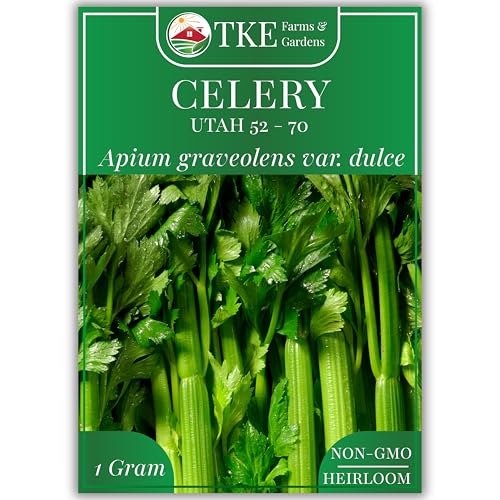
| Best Bulk Value | Variety/Type: Utah 52-70 (Apium graveolens) heirloom | Seed Count / Packet Quantity: 1 g (~2500+ seeds) | Non-GMO / Heirloom status: Heirloom, non-GMO | VIEW LATEST PRICE | Read Our Analysis |
More Details on Our Top Picks
Sow Right Tall Utah Celery Seeds (Non-GMO Heirloom)
Whenever you want crisp, tall celery that’s easy to grow in a small garden, Sow Right Tall Utah Celery is a smart pick because it gives you string-free stalks and reliable seed counts in each packet. You’ll get a large premium packet with about 400 non-GMO heirloom seeds. Plant tiny seeds 1/8 inch deep, space plants 6 inches apart, and expect germination in 14 to 21 days at 65 to 75°F. Plants reach about 2 feet tall and suit zones 2 to 10. Packets include clear growing instructions, and the seller answers questions and guarantees germination help.
- Variety/Type:Utah (Apium graveolens) heirloom
- Seed Count / Packet Quantity:~400 seeds (min. 500 mg)
- Non-GMO / Heirloom status:Non-GMO, heirloom
- Uses / Culinary Application:Raw, juicing, soups, stocks, cooking
- Growing Time / Maturity:90–100 days to maturity
- Packaging / Support Info:Large premium packet with planting instructions; seller support/guarantee
- Additional Feature:Solar-powered operation
- Additional Feature:Compact for small spaces
- Additional Feature:Germination support guarantee
Seed Needs Celery Seeds (Utah 52-70)
Provided you want dependable, classic celery for fresh bowls, cooking, or juicing, Utah 52-70 is a great pick because it gives crisp, thick stalks and stays steady against bolting better than older varieties. You’ll like its medium green stalks that reach 10 to 12 inches and its mild, familiar flavor. Sow indoors, keep soil cool and moist, and transplant so plants finish in about 100 days. Packets contain fresh, non GMO, mostly open pollinated seeds stored carefully. Instructions on the back guide you. You can share extras, save seed, and enjoy reliable harvests season after season.
- Variety/Type:Utah 52-70 (Apium graveolens) cultivar
- Seed Count / Packet Quantity:generous quantity per packet (unspecified count)
- Non-GMO / Heirloom status:Non-GMO; majority open-pollinated/heirloom
- Uses / Culinary Application:Fresh eating, cooking, juicing
- Growing Time / Maturity:~100 days from transplant
- Packaging / Support Info:Tear- and moisture-resistant packet with sowing instructions on reverse
- Additional Feature:Improved bolt resistance
- Additional Feature:Tear/moisture-resistant packet
- Additional Feature:Direct-from-grower sourcing
McCormick Gourmet Celery Seed 1.62 oz
Should you want a go-to spice that lifts salads, soups, and pickles with a warm, earthy note, McCormick Gourmet Celery Seed, 1.62 oz is a solid pick for home cooks who value reliable flavor and convenience. You’ll find it brightens tomato soup, barbecue sauce, and dressings without overpowering other tastes. Use it in coleslaw, potato salad, or macaroni salad whenever you don’t have chopped celery. It works well in brines and spice rubs for meat and poultry, and it adds depth to pickling mixes for cucumbers and vegetables. You’ll appreciate its steady, versatile presence in many dishes.
- Variety/Type:Celery seed (culinary seed, Apium graveolens)
- Seed Count / Packet Quantity:1.62 oz (culinary seed weight)
- Non-GMO / Heirloom status:(Culinary seed) not specified as heirloom but common celery seed
- Uses / Culinary Application:Soups, dressings, sauces, pickling, salads, rubs
- Growing Time / Maturity:(Not applicable — culinary seed)
- Packaging / Support Info:Retail spice container (1.62 oz) with usage notes
- Additional Feature:Spice-cabinet ready
- Additional Feature:Versatile culinary seasoning
- Additional Feature:Large retail-sized jar
Organic Utah Tall Celery Seeds (Heirloom 250mg)
Should you want a reliable, easy-to-grow celery that tastes fresh and sweet, Organic Utah Tall is a great choice for home gardeners and small-scale growers who value organic, heirloom seeds. You get a 250 mg packet with about 500 non-GMO, open-pollinated seeds, USDA Organic certified and made in the USA. Plant in full sun with rich, well-drained soil and keep moisture steady. It grows tall, stringless stalks around 20 inches, sweet and crisp for salads, cooking, and juicing. It resists disease, suits containers, and needs spring planting for a summer to fall harvest.
- Variety/Type:Utah Tall (Apium graveolens) heirloom
- Seed Count / Packet Quantity:~500 seeds (250 mg)
- Non-GMO / Heirloom status:USDA Organic, Non-GMO, heirloom
- Uses / Culinary Application:Fresh eating, cooking, salads, juicing, snacks
- Growing Time / Maturity:Harvest by summer–fall; typical maturity implied (~seasonal)
- Packaging / Support Info:Premium illustrated packet with instructions and plant facts
- Additional Feature:USDA Organic certified
- Additional Feature:Disease resistant variety
- Additional Feature:Container-friendly growth
TKE Farms Utah Celery Seeds Heirloom Non-GMO (2500+)
Should you want reliable, cold-hardy celery that’s easy to grow in fall and winter, TKE Farms Utah Celery Seeds are a great choice for home gardeners and container growers who want lots of seeds in one packet. You’ll get 1 gram with 2500 plus heirloom, non GMO seeds and clear growing instructions to guide you. These seeds germinate well and reach harvest in about 100 to 125 days. They handle outdoor beds and containers, giving tender, crisp stalks for soups, salads, and snacks. Packaged in biodegradable materials from a veteran owned business, they help you grow nutrient rich produce at home.
- Variety/Type:Utah 52-70 (Apium graveolens) heirloom
- Seed Count / Packet Quantity:1 g (~2500+ seeds)
- Non-GMO / Heirloom status:Heirloom, non-GMO
- Uses / Culinary Application:Soups, salads, snacks; general culinary use
- Growing Time / Maturity:100–125 days to harvest
- Packaging / Support Info:Biodegradable-packaged packet with growing instructions and customer support
- Additional Feature:Extra-large seed quantity
- Additional Feature:Biodegradable packaging
- Additional Feature:Veteran-owned business
Factors to Consider When Choosing Celery Vegetable Seeds
When you pick celery seeds, consider about seed type and purity so you know what you’re planting and how true the plants will be. Also check days to maturity, climate and zone, and disease resistance traits so the plants fit your schedule and local growing conditions. Don’t forget packet size and expected yield because that tells you how many plants you’ll get and whether the seeds match your garden plans.
Seed Type & Purity
Although it could feel overwhelming at outset, choosing the right celery seeds is one of the best steps you can take for a reliable harvest, and a few careful checks will save you time and worry down the line. Start by picking non-GMO, open-pollinated or heirloom varieties provided that you want true-to-type plants and the option to save seeds. Hybrids can be great, but they often won’t breed true. Next, read the packet for germination rates and test dates; look for 80–95 percent for strong lots. Also check whether seeds are treated or untreated since untreated suit organic growing and saving. Take note seed weight or count so you have enough for spacing and succession planting. Finally, confirm recent packing and moisture-resistant storage to keep seeds viable.
Days To Maturity
Pick a celery variety matching its days to maturity to your garden calendar and your patience level. You’ll see ranges from about 90 to 125 days, so plan sowing or transplanting to allow the full season. Check whether the seed packet counts days from direct sow or from transplant, since that can shift timing across weeks. Aim for cool weather timing and plant sufficiently early enough to harvest before heat makes plants bolt. Longer season types usually give bigger, thicker stalks, but they need steady moisture and good fertility all season. Should you want multiple harvests, mix shorter 90 to 100 day varieties with 110 to 125 day types to stagger ripening. That way you get steady, reliable celery without stress.
Climate And Zone
Should you know your USDA hardiness zone and watch your local temps, you’ll pick celery seeds that actually thrive instead of struggle. Check your zone beforehand because many varieties handle cool seasons best and list adaptability from about zone 2 to 10, yet extreme heat or mild winters change bolting and flavor. For cool or short-season gardens, pick faster-maturing types or start seeds indoors 8 to 12 weeks before last frost and harden them off before planting. In hot areas, choose bolt-resistant or heat-tolerant cultivars and give afternoon shade, regular watering, and mulch to keep roots cool. Assuming you grow in containers or have unpredictable microclimates, select compact varieties and mind sun exposure, reflected heat, and frost pockets.
Disease Resistance Traits
You’ve learned how climate and zone shape your celery’s life, and disease resistance is the next thing to watch because weather and stress change how plants fight infection. Look for seed labels that name resistance to Fusarium wilt, Septoria leaf spot, or early blight. Whenever a variety says Fusarium resistant, it usually means lower severity not total immunity, so you still use crop rotation, sanitation, and well drained soil. Also pick types with better heat and bolting tolerance because less stress means fewer disease problems. Resistance is genetic and often race specific, so check which pathogen strains the cultivar resists. For long season crops maintain moisture steady and fertility balanced since drought or nutrient issues can overwhelm genetic defenses and invite outbreaks.
Packet Size And Yield
Consider about packet size like planning a small party for your garden; the number on the packet tells you how many guests, or plants, you can host. Look at packet weight or seed count initially. For example, 250 mg is about 500 seeds and 1 g near 2,500 seeds, so match that to your bed or container space. Reflect on yield per plant too. Each mature celery usually gives one bunch of stalks, so plan seed numbers to meet how much harvest you want. Also factor germination and seed-to-plant loss. Fresh seed germinates better, but over-sow by 10 to 30 percent for thinning and premature losses. Should you want succession sowing or to share, pick larger packets so you have enough without risking storage decline.