
Understanding aster plant seeds is crucial for successful gardening. These seeds can present unique challenges. Common issues include pests such as aphids and slugs, along with diseases like mildew. By recognizing these factors, you can better prepare for a thriving garden filled with beautiful asters.
Key Takeaways
Start aster seeds indoors 6 to 8 weeks before the last frost for best results. Alternatively, sow them outdoors in spring.
Store aster seeds in a cool, dark place at 40°F or lower to maintain their viability for up to one year.
Keep aster seeds moist but not soggy during germination. They need light to sprout, so avoid burying them too deeply.
Germination
How to Grow Aster Flowers
To successfully grow aster flowers, you need to follow a series of steps that ensure proper germination and healthy growth. Here’s a simple guide on how to grow asters from seed:
Start aster seeds indoors 6 to 8 weeks before the last frost or sow them outdoors in spring.
For perennial aster seeds, provide a 30-day cold treatment before planting.
Choose a location with full sun and well-drained, loamy soil.
Mix 2 to 3 inches of compost into the soil before planting.
For indoor planting, mix seeds with damp sand and refrigerate for 30 days.
Press seeds into the soil and lightly cover them.
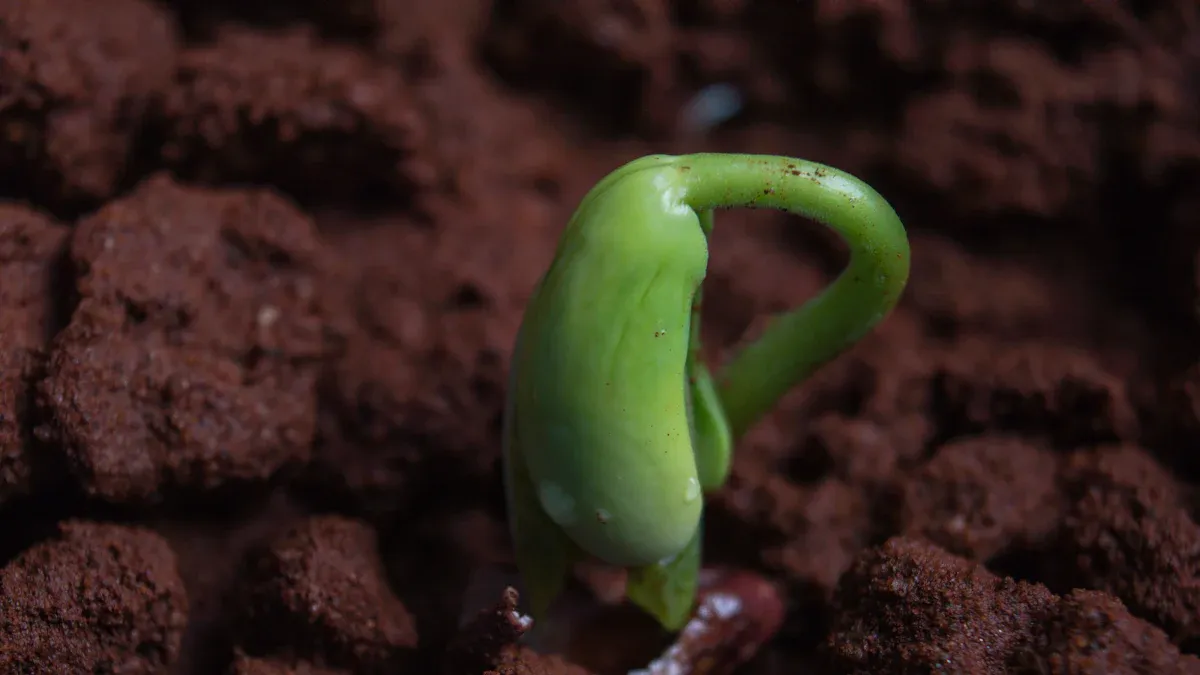
Keep the soil moist and warm for germination.
Harden off seedlings and transplant them after the danger of frost has passed.
In long growing seasons, prepare garden soil and scatter seeds on the surface, lightly covering them.
Thin plants to the proper spacing and pinch back young plants to encourage bushiness.
Regularly water during dry periods and mulch to retain moisture.
Stake taller plants and cut back in winter.
These steps will help you create the best growing conditions for your aster plant seeds.
Timing for Sowing Seeds
Knowing when to plant aster seeds is crucial for their success. In temperate climates, the best time for outdoor aster seed sowing is during the following months:
August
September
October
November
December
Early spring, specifically from March to early May, is also an optimal time for sowing aster seeds. This timing allows the plants to establish themselves before flowering. If you plant in summer, be prepared to provide extra care, especially with watering, to maintain plant health.
Asters require specific conditions for germination. They thrive in moist but well-drained, loamy soil with a pH range of 5.5 to 7. The soil should remain moist but not soggy.
Research shows that the effect of light on seed germination varies among species. Some species, like Aster pilosus, require light for germination, particularly after they have become non-dormant during winter. Seeds buried in autumn or early winter will not germinate in spring, while those buried in late winter are likely to germinate if darkness is the only inhibiting factor.
To ensure successful germination, consider the following light requirements:
Aster seeds need light for germination, so avoid burying them too deeply.
Keep the seeds in a warm environment, ideally between 65°F and 70°F.
Cold Stratification Process
Cold stratification is essential for breaking dormancy in certain seeds, including aster seeds. This process ensures successful germination. Here’s how to perform cold stratification:
Mix the seeds with some damp sand or peat moss to help prevent them from drying out.
Place the seeds in a sealable plastic bag or container.
Put the container in a refrigerator where the temperature is between 33°F and 41°F.
Keep the seeds in the fridge for 4 to 12 weeks, depending on the species.
After the recommended period, remove the seeds from the fridge and plant them.
By following these steps, you can improve your chances of successful germination and enjoy a vibrant display of aster flowers in your garden.
Storage of Aster Seeds

Maintaining Seed Viability
To keep your aster plant seeds viable, follow these best practices:
Control Temperature: Store seeds at 40°F or lower. For long-term storage, consider using a freezer.
Manage Moisture: Use airtight containers to keep seeds dry. If humidity is an issue, add silica gel packets to absorb excess moisture.
Limit Light Exposure: Store seeds in dark containers. Light can trigger germination prematurely.
By following these steps, you can significantly extend the life of your aster seeds.
Optimal Storage Conditions
For optimal storage, consider the following conditions:
The ideal temperature for storing aster seeds is 45°F or lower.
Keep humidity levels low. The sum of temperature (°F) and relative humidity (RH) should be less than 100.
If you have a refrigerator, it serves as a great storage location. If not, find the coolest and driest area in your home.
Seed Type | Viability Duration |
|---|---|
Aster | 1 year |
Aster seeds typically remain viable for about one year under proper storage conditions. By monitoring these factors, you can prevent signs of seed aging and ensure successful aster seed sowing in your garden.
Sowing Aster Seeds
How to Plant Aster Seeds
When you decide to plant aster seeds, follow these steps for successful sowing:
Prepare the Soil: Ensure the soil is well-drained and loamy. Mix in compost to enrich the soil.
Planting Depth and Spacing:
Press the aster seeds into the soil.
Lightly cover the seeds with soil.
Recommended planting depth is 1/8 inch.
Space the seeds 12 inches apart in rows that are 15 inches apart.
Watering: Keep the soil consistently moist but not soggy. Water gently to avoid displacing the seeds.
Light Requirements: Aster seeds need light to germinate. Place them in a sunny location or under grow lights if starting indoors.
Temperature: Maintain a temperature between 65°F and 70°F for optimal germination.
In-Ground vs. Container Planting
Choosing between in-ground and container planting for aster seeds depends on your gardening space and preferences. Here’s a comparison of both methods:
Planting Method | Advantages | Disadvantages |
|---|---|---|
Container Gardening | 1. Mobility & Flexibility: Easily relocate plants. | 1. Watering Needs: Requires regular watering as they dry out faster. |
2. Soil Control: Full control over soil quality. | 2. Limited Space for Roots: Can become root-bound, needing repotting. | |
3. Space-Saving: Ideal for small spaces. | 3. Temperature Fluctuations: More susceptible to temperature extremes. | |
4. Pest Prevention: Isolated from garden soil, easier to monitor. | ||
In-Ground Gardening | 1. Space for Growth: Ample space for root systems to expand. | 1. Less Control Over Soil Quality: Harder to amend soil if plants struggle. |
2. Natural Environment: Benefits from biological activity in the soil. | 2. Pest Issues: More vulnerable to soil-borne pests and diseases. | |
3. Less Maintenance for Watering: Generally requires less frequent watering. | 3. Limited Plant Mobility: Difficult to relocate once planted. | |
4. Soil Richness: Utilizes natural nutrient content of the soil. |
After planting, you need to care for your aster seedlings properly. Here are some essential care tips:
Care Aspect | Container Planting | In-Ground Planting |
|---|---|---|
Container Size | Choose a pot wide and at least half as deep as the mature height of the variety. | No specific container size; plant directly in soil. |
Soil | Use balanced, well-draining potting mix. | Use native soil, ensuring good drainage. |
Watering | Maintain evenly moist soil; check every other day in hot weather. | Water as needed based on rainfall and soil moisture. |
Sunlight | Requires at least six hours of sunlight daily. | Full sun preferred, but can tolerate partial shade. |
Fertilization | Apply diluted, water-soluble fertilizer every 2-4 weeks during summer. | Fertilize based on soil test recommendations. |
Winter Care | Move pots to a sheltered location and add insulating mulch. | Mulch around plants to protect roots from frost. |
Pruning | Pinch back stems to encourage branching; stop in August. | Prune as needed based on growth habit. |
Regular watering is crucial for young aster plants. Keep them well-watered, especially during dry spells. Established aster plants also need watering in summer during dry periods.
Be mindful of pests and diseases that can affect your seedlings. Common pests include aphids and spider mites, while diseases like aster yellows and botrytis blight can pose threats. Implement management strategies such as maintaining good hygiene and using fungicides when necessary.
By following these guidelines on how to plant aster seeds and care for them, you can enjoy a vibrant display of blooms in your garden.
In summary, you learned how to germinate, store, and sow aster seeds effectively. Starting aster plants from seeds offers significant benefits, such as lower costs and higher yields. For example, you can grow 500 plants for just $5 when starting from seeds, compared to only one established plant for the same price.
Embrace your gardening journey with confidence, and enjoy the vibrant beauty of asters in your garden!
FAQ
What are the best conditions for growing aster seeds?
Asters thrive in full sun with well-drained, loamy soil. Keep the soil moist but not soggy for optimal growth.
How long do aster seeds take to germinate?
Aster seeds typically germinate within 7 to 14 days under ideal conditions, including warmth and light.
Can I save aster seeds for next year?
Yes, you can save aster seeds. Store them in a cool, dry place to maintain viability for up to one year.