

Anemone plant seeds play a vital role in gardening, offering vibrant blooms and unique foliage. However, many gardeners encounter challenges with these seeds. Common concerns include the lack of collectable seeds, poor viability, and cyclical seed production. Proper germination, storage, and sowing techniques are essential for success. By following the tips provided, you can enhance your experience growing anemones and enjoy their beauty in your garden. 🌼
Key Takeaways
Understand cold stratification to improve germination. Mimic winter conditions by storing seeds in a cool, moist environment for several weeks.
Soak anemone seeds for 3 to 4 hours before planting. This softens the seed coat and boosts germination rates.
Store seeds in a cool, dry place to maintain viability. Use waterproof containers and consider refrigeration for longer storage life.
Timing is key for sowing anemone seeds. Plant in the fall for spring blooms or in early spring for fall-blooming varieties.
Follow depth and spacing guidelines when planting. Plant seeds 2 to 3 inches deep and space them 12 to 18 inches apart for healthy growth.
Germination Tips for Anemone Plant Seeds
Cold Stratification Process
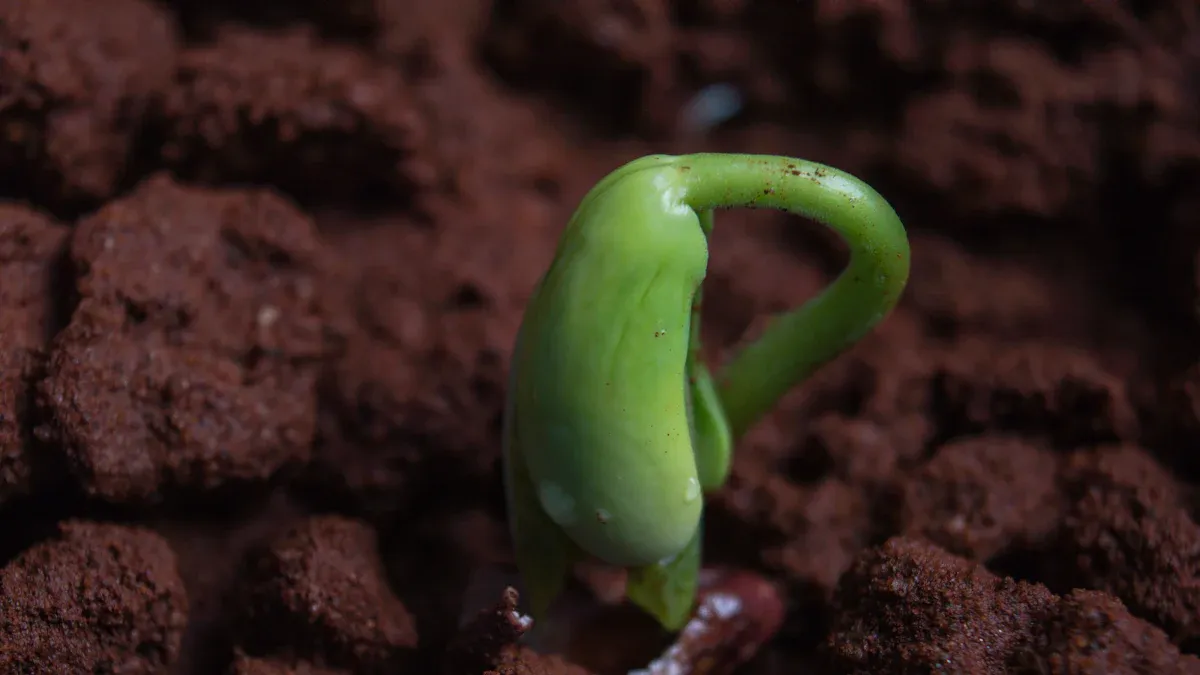
To successfully germinate anemone plant seeds, you must understand the cold stratification process. This method mimics natural winter conditions, which many seeds require to break dormancy. For wood anemone seeds, a double stratification process is essential. Here’s how it works:
First Phase: Start with a cold, moist period. Place the seeds in a damp medium, such as peat moss, and store them in the refrigerator for about 4 to 6 weeks.
Second Phase: After the cold period, move the seeds to a warmer environment for a few weeks. This warm phase helps prepare the seeds for the final cold treatment.
Final Phase: Return the seeds to a cool, moist environment for another 4 to 6 weeks. If you plant the seeds outdoors in the fall, be aware that germination may not occur until a year and a half later.
This process is crucial for ensuring that your anemone seeds germinate successfully.
Soaking Seeds for Germination
Soaking anemone seeds before planting can significantly enhance germination rates. Here are some key points to consider:
Optimal Soaking Time: Soak the seeds for 3 to 4 hours in water at room temperature or cool water. This helps to soften the seed coat and encourages sprouting.
Pre-sprouting Benefits: While pre-sprouting is not necessary, it can lead to better results. Soaking corms for 4 to 6 hours or overnight can also be beneficial. After soaking, you can plant the corms directly into the soil under grow lights.
When you prepare your seeds properly, you create the ideal conditions for germination.
Ideal Conditions for Germination
To maximize your success with anemone seeds, ensure you provide the right environmental conditions:
Temperature: Aim for a temperature range of 60°F to 75°F (15°C to 24°C) for optimal growth. Cooler months in spring and fall are best for vibrant blooms.
Humidity: Maintain consistent humidity levels. High humidity can stress the plants, while low humidity can lead to rapid moisture loss.
Light Requirements: During germination, provide bright indirect light. Once the plants develop true leaves, they can thrive in full sun.
By following these tips, you can improve your chances of successfully growing anemone plants from seeds.
Storage Tips for Anemone Seeds
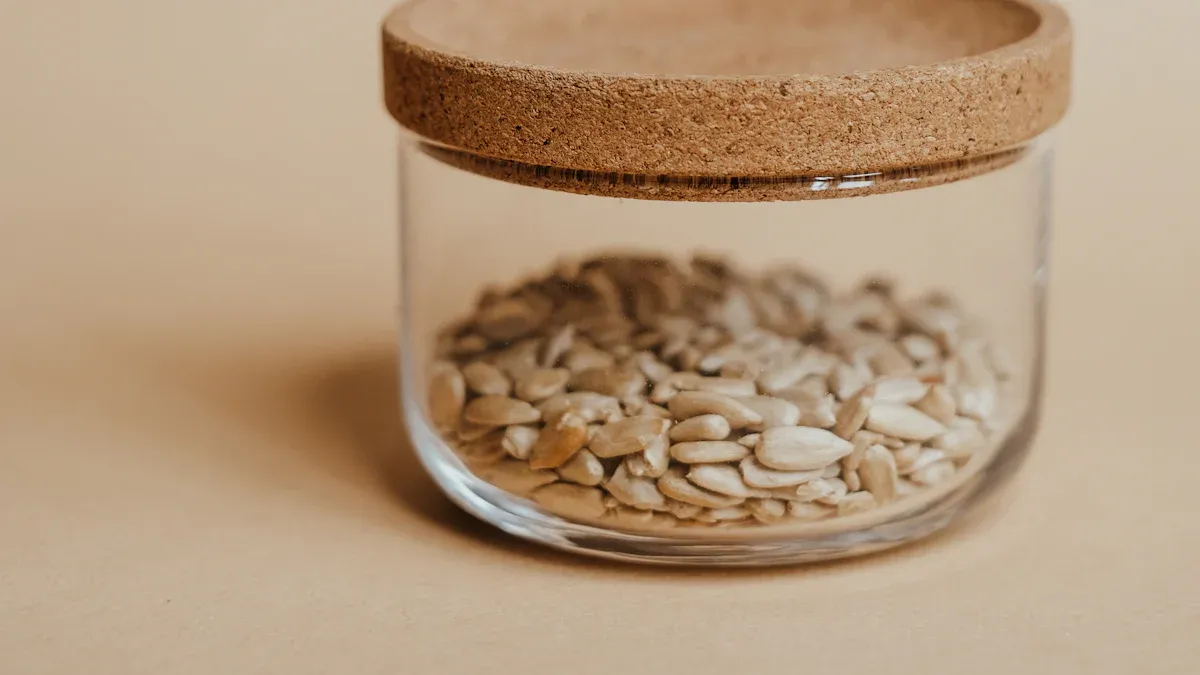
Proper storage of anemone plant seeds and corms is essential for maintaining their viability and ensuring successful growing. Here are some best practices to follow:
Best Practices for Seed Storage
To keep your anemone seeds viable over time, consider these tips:
Keep Seeds Cool and Dry: Store your seeds in a cool, dry place. This helps maintain their viability.
Use Waterproof Containers: Place seeds in waterproof containers with desiccants. This prevents moisture from damaging the seeds.
Refrigeration: Ideally, store your seeds in the refrigerator. For every 1% reduction in seed water content, the seed life doubles. Additionally, for every 10°F decrease in storage temperature, the seed storage life also doubles.
By following these practices, you can significantly extend the life of your anemone seeds.
Storing Anemone Corms
Anemone corms require different storage conditions compared to seeds. Here’s a quick comparison:
Type | Storage Requirements |
|---|---|
Seeds | Simple (dry, cool) |
Corms | Can rot if not stored well |
When storing anemone corms, ensure they are in a dry environment. If corms remain too moist, they may rot. Store them in a cool, dark place, ideally in a breathable container. This allows air circulation while preventing excess moisture buildup.
By understanding the differences in storage requirements, you can better care for both anemone seeds and corms. Proper storage techniques will help you enjoy the beauty of anemones in your garden for years to come.
Planting Anemones: Sowing Instructions
Timing for Sowing Seeds
Timing plays a crucial role in successfully growing anemones. The recommended sowing season varies based on your climate zone. Here’s a helpful table to guide you:
Climate Zone | Recommended Sowing Season | Type of Anemone |
|---|---|---|
8-10 | Fall | Anemone bulbs |
3-7 | Early Spring | Anemone bulbs |
2-7 | Late Winter/Early Spring | Anemone bulbs |
Spring-blooming anemones should be planted in the fall to align with their flowering cycle.
In warmer climates, some foliage may develop in autumn, with flowers appearing in spring.
Fall-blooming varieties are best planted in spring after the frost risk has passed.
By planting at the right time, you can ensure that your anemone flowers bloom beautifully.
Depth and Spacing Guidelines
When planting anemone seeds, proper depth and spacing are essential for healthy growth. Follow these guidelines:
Depth: Plant anemone seeds at a depth of 2 to 3 inches. This depth allows the seeds to receive adequate moisture while protecting them from harsh conditions.
Spacing: Space the seeds about 12 to 18 inches apart. This spacing provides enough room for the plants to grow and spread without overcrowding.
Tip: Soaking anemone bulbs for 24 hours before planting promotes sprouting.
Here are some common mistakes to avoid when planting anemone seeds:
Failing to soak the seeds or bulbs before planting.
Planting too deeply or too shallowly, which can hinder growth.
Not providing enough sunlight, especially in Northern regions where full sun is ideal.
By following these depth and spacing guidelines, you can create the best environment for your anemone plants to thrive. Remember, anemone seeds can take 2 to 3 years to produce blooms under optimal conditions, so patience is key!
In summary, successful anemone gardening hinges on proper techniques for germination, storage, and sowing. You should consider cold stratification and soaking seeds to enhance germination rates. Storing seeds in cool, dry conditions extends their viability. Timing your sowing and following depth and spacing guidelines ensures healthy growth.
Research shows that light exposure can significantly improve seed germination efficiency. Hormonal treatments can also accelerate sprouting and flowering times. By applying these tips, you can enjoy the beauty of anemones in your garden. Share your experiences and watch your garden flourish! 🌱
FAQ
How do I care for anemone seeds after planting?
After planting, you should keep the soil consistently moist but not soggy. Provide bright, indirect light to help the seeds germinate. Monitor the moisture levels regularly to ensure proper care.
When should I start caring for my anemone plants?
Begin caring for your anemone plants in early spring. This is when they start to grow actively. Ensure they receive adequate water and light during this period for healthy development.
What type of soil do anemones need?
Anemones thrive in well-draining soil rich in organic matter. You can mix compost into the soil to improve its quality. Proper soil care promotes healthy root growth and vibrant blooms.
How often should I water anemone plants?
Water anemone plants when the top inch of soil feels dry. Typically, this means watering once a week. Adjust your care routine based on weather conditions and soil moisture.
Can I grow anemones in pots?
Yes, you can grow anemones in pots. Ensure the pot has drainage holes and use a suitable potting mix. Proper care in pots includes regular watering and monitoring for pests.