
Bee balm plants play a crucial role in gardens and natural habitats. They serve as a vital food source for pollinators, such as insects and hummingbirds. By attracting these creatures, bee balm enhances biodiversity and supports various wildlife populations. However, bee balm plant diseases can significantly impact their health and growth. Early identification of these bee balm plant diseases is essential to maintain the beauty and function of your garden. In this guide, you will learn how to recognize and manage common issues that affect your bee balm plants.
Key Takeaways
Identify common diseases like powdery mildew and root rot early to protect your bee balm plants.
Practice good garden hygiene by removing infected foliage and cleaning up plant debris to prevent disease spread.
Use proper watering techniques, such as watering in the morning and ensuring well-draining soil, to reduce the risk of root rot.
Select disease-resistant bee balm varieties and improve sunlight exposure to enhance plant health and resilience.
Regularly inspect your plants during warm and humid weather for early signs of disease to maintain a vibrant garden.
Common Diseases
Bee balm plants face several diseases that can hinder their growth and beauty. Two of the most common diseases are powdery mildew and root rot. Understanding these diseases helps you take proactive measures to protect your plants.
Powdery Mildew
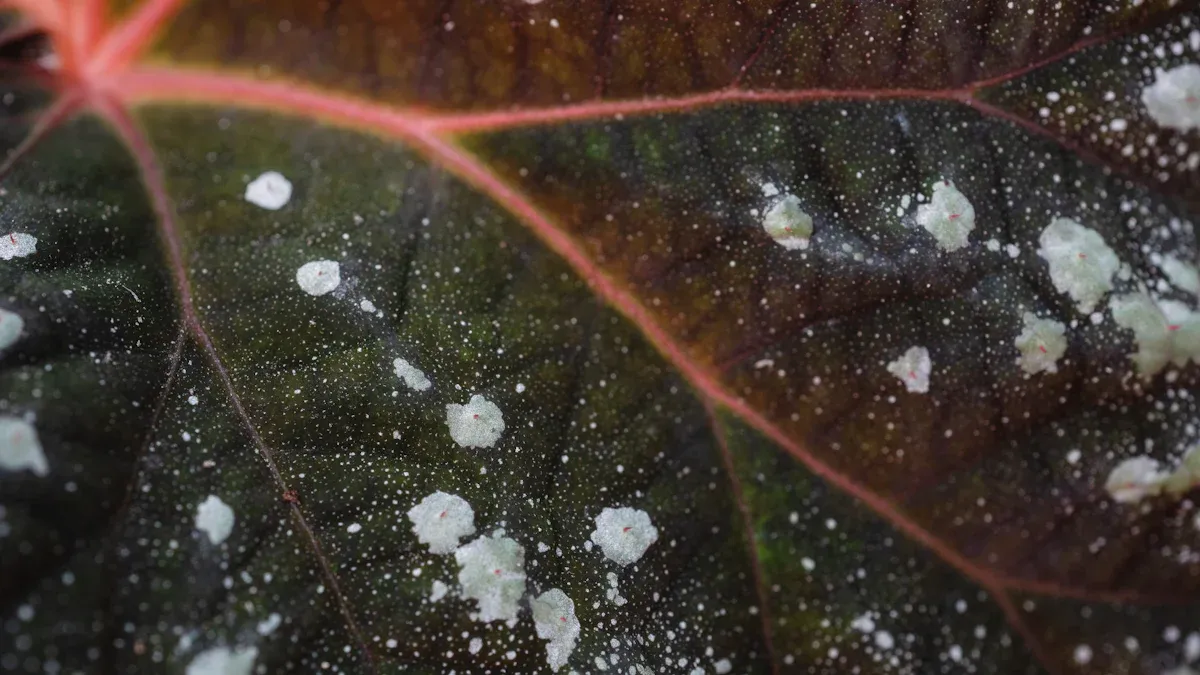
Powdery mildew is a fungal disease that appears as white or pale yellow spots on the leaves of your bee balm plants. This disease thrives in conditions with cool nights and dry days. It is most active when nights are cool and days are warm and dry. You might notice the following effects of powdery mildew:
The leaves become covered with a white substance.
This leads to browning and eventual death of the leaves.
Although new shoots and flowers may still appear, the overall health and vigor of the plant are compromised, affecting its growth and flowering.
To manage powdery mildew, you should remove infected foliage immediately. Avoid composting these leaves, as this can spread the spores. Additionally, consider planting resistant varieties to minimize the risk of infection.
Disease | Identification | Treatment |
|---|---|---|
Powdery Mildew | Appears as powdery spots of white or pale yellow on leaves. | Remove infected foliage, avoid composting, and use resistant varieties. |
Rust | Small orange or rust-colored spots on undersides of leaves. | Regular inspection, remove infected foliage, and avoid overhead irrigation. |
Southern Blight | Sudden collapse of plants, with white mycelium visible on soil surface. | No treatment; remove affected material and replant with resistant varieties after soil preparation. |
Root Rot
Root rot is another serious issue for bee balm plants. This disease primarily occurs due to overwatering and inadequate drainage. When the roots sit in waterlogged soil, they become weak and susceptible to decay. The overall health of your plants can significantly decline as a result.
To prevent root rot, ensure that your bee balm plants have well-draining soil. Water them only when necessary, allowing the soil to dry out between watering sessions. If you suspect root rot, inspect the roots. Healthy roots should be firm and white, while rotting roots will appear brown and mushy. If you find rot, remove the affected roots and repot the plant in fresh, dry soil.
By recognizing these common diseases and understanding their impacts, you can take steps to keep your bee balm plants healthy and thriving.
Symptoms of Diseases
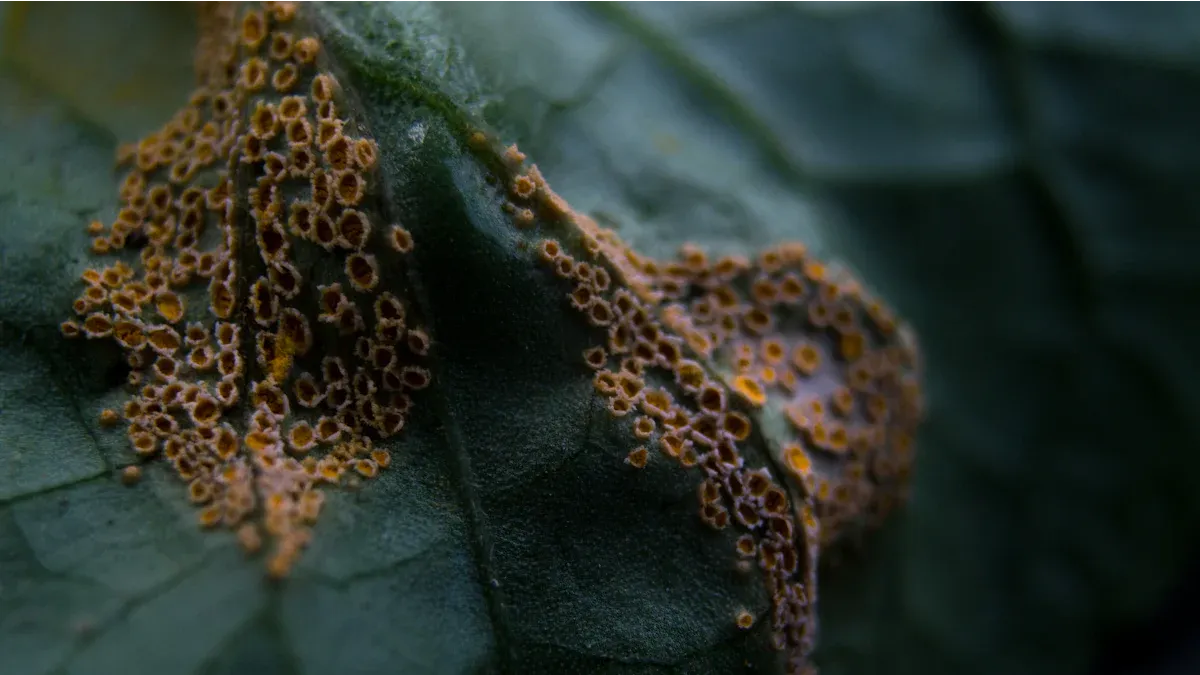
Visual Indicators
Recognizing the visual symptoms of diseases in your bee balm flowers is crucial for effective management. Here are some common signs to look for:
Powdery Mildew: This disease manifests as a grayish-white powdery substance on leaf surfaces. It can lead to premature leaf drop and stunted growth.
Rust: Look for small orange or rust-colored spots on the undersides of leaves. You may also notice streaks on stems and buds.
Southern Blight: This condition causes sudden plant collapse. You might see white mycelium on the soil surface, indicating a severe issue.
Disease | Symptoms |
|---|---|
Powdery Mildew | White or pale yellow powdery spots on leaves, leading to reduced photosynthesis and stunted growth. |
Rust | Small orange or rust-colored spots on the undersides of leaves, with streaks on stems and buds. |
Southern Blight | Sudden collapse or dieback of plants, with white mycelium visible on soil surface. |
Common Pests and Diseases
Pests can exacerbate the symptoms of diseases in bee balm plants. Here are some common pests to watch for:
Aphids: These sap-sucking insects weaken your plants by sucking out vital nutrients. This leads to reduced photosynthesis and makes your plants more susceptible to diseases.
Spider Mites: These tiny pests also feed on sap, causing visible damage like spots on leaves and petals. Their presence can further stress your plants.
Thrips: Similar to spider mites, thrips can cause damage but lack webbing. They often thrive in crowded conditions, making them a common issue in greenhouses.
Stalk Borers: These caterpillars can cause significant damage, often going unnoticed until the plant collapses.
By keeping an eye out for these visual indicators and common pests, you can take proactive steps to protect your bee balm flowers from diseases. Early detection is key to maintaining the health and beauty of your garden.
Identification Methods
Identifying diseases in your bee balm plants is crucial for maintaining their health. You can use two primary methods: visual inspection and soil testing.
Visual Inspection
Regularly inspecting your plants helps you catch infections early. Here are some steps to follow during your inspections:
Check your plants during warm and humid weather. This is when diseases thrive.
Look for small orange or rust-colored spots on the undersides of leaves. These spots indicate rust.
Observe for sudden plant collapse, which may signal southern blight. You might also see white mycelium at the base of the plant.
If you find infected foliage, remove it immediately. Dispose of it properly to prevent the spread of disease.
Practice good garden hygiene by cleaning up spent top growth at the end of the season. This reduces the chance of diseases lingering in your garden.
Soil Testing
Soil testing is another effective method for identifying diseases. It helps you understand the health of your soil and detect any pathogens that may harm your bee balm plants. Common soil pathogens include:
Botrytis cinerea
Fusarium solani
Phytophthora pseudocryptogea
You can send soil samples to a local extension service or laboratory for analysis. They will provide you with detailed information about the soil’s health and any potential issues. If you suspect diseases, consulting an expert can also help you identify the problem accurately. They can guide you on the best practices for managing and treating the diseases affecting your bee balm flowers.
By using these identification methods, you can take proactive steps to protect your plants and ensure they thrive.
Managing Diseases in Bee Balm Flowers
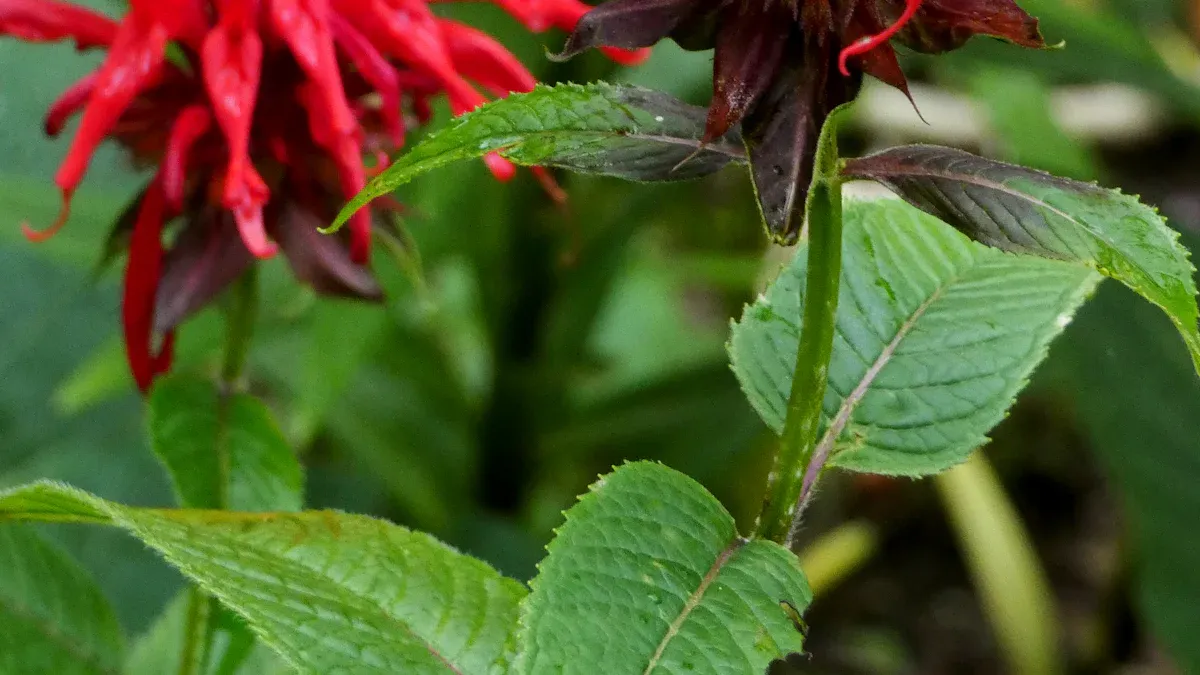
Managing diseases in bee balm flowers involves a combination of organic solutions and cultural practices. By implementing these strategies, you can help your plants thrive and reduce the risk of disease.
Organic Solutions
You can use several organic treatments to combat common diseases like powdery mildew and root rot. Here are some effective methods:
Select Resistant Varieties: Choose bee balm varieties that resist powdery mildew, such as Claire Grace, Marshall’s Delight, and Stone’s Throw Pink. These plants are less likely to suffer from disease.
Improve Sunlight Exposure: Grow your bee balm in full sun. This enhances air circulation and light exposure, which helps prevent fungal diseases.
Thin Out Stems: In early spring, thin out about ¼ of the stems. This practice improves airflow around the plants and reduces the risk of disease.
By applying these organic solutions, you can effectively manage diseases in your bee balm flowers and promote their overall health.
Cultural Practices
Cultural practices play a vital role in managing diseases in bee balm flowers. Here are some key practices to consider:
Choose Disease-Resistant Varieties: Selecting disease-resistant types of bee balm flowers can significantly reduce the incidence of disease.
Maintain Garden Hygiene: Remove spent top growth from infected plants. This practice prevents diseases from lingering in your garden.
Avoid Overhead Watering: Watering at the base of the plants minimizes the spread of fungal spores. This simple change can make a big difference in disease management.
Ensure Proper Plant Spacing: Space your plants 2 to 2½ feet apart. This spacing enhances air circulation, which is crucial for preventing diseases like powdery mildew.
Practice Crop Rotation: Rotate your crops to disrupt the life cycles of soil-borne diseases. This practice aids in managing diseases effectively.
Interplant with Companion Plants: Consider planting low-impact companion plants. These can help manage pest or disease pressure in your bee balm cultivation.
Avoid common mistakes that can lead to increased disease susceptibility. For example, ensure your bee balm receives at least 6 hours of direct sunlight. Overcrowding can promote disease spread, so always maintain proper spacing. Lastly, remove any disease-infested debris in the fall to prevent reinfection.
By following these organic solutions and cultural practices, you can effectively manage diseases in your bee balm flowers. This proactive approach will help you maintain a healthy and vibrant garden.
Prevention Strategies
Preventing diseases in your bee balm flowers is essential for maintaining their health and beauty. You can implement effective strategies by focusing on proper watering techniques and maintaining garden hygiene.
Proper Watering Techniques
Watering your bee balm plants correctly can significantly reduce the risk of diseases. Here are some best practices to follow:
Maintain well-draining soil: This enhances air circulation and helps control mildew.
Avoid overwatering: Allow the soil to dry slightly between waterings to prevent root rot.
Water in the morning: This ensures that leaves dry out during the day, reducing the risk of fungal diseases.
By following these watering techniques, you create an environment that discourages the growth of harmful pathogens.
Garden Hygiene
Good garden hygiene is crucial for preventing the spread of diseases in your bee balm flowers. Here are some key practices to adopt:
Regularly inspect your plants: Check for signs of disease during warm and humid weather to catch infections early.
Remove infected foliage: Dispose of any leaves with rust spots properly in the trash to prevent spreading spores.
Clean up at the end of the growing season: Remove spent top growth to prevent decomposition and potential overwintering of spores.
Daily checks for powdery mildew: If you notice any affected foliage, remove it immediately and ensure it is not composted.
For Southern blight: Remove all affected plant material and avoid composting it.
Regular removal of plant debris helps prevent the spread of fungal spores, particularly against diseases like powdery mildew, rust, and Southern blight. Understanding the specific conditions that favor these diseases is essential for implementing effective prevention strategies. High humidity and warm temperatures can increase the risk of these diseases, so stay vigilant.
By adopting these prevention strategies, you can keep your bee balm flowers healthy and vibrant, ensuring they continue to thrive in your garden.
In summary, understanding bee balm plant diseases is essential for maintaining healthy plants. You should recognize specific symptoms like rust, powdery mildew, and southern blight. Implement good garden hygiene practices to reduce disease spread. Regular inspections during warm and humid weather help with early detection. Remove infected foliage and dispose of it properly to prevent spore overwintering. By applying these strategies, you can ensure your bee balm plants thrive and continue to support pollinators in your garden.
FAQ
What causes powdery mildew on bee balm flowers?
Powdery mildew thrives in warm, dry conditions with high humidity. Poor air circulation and overcrowding can also contribute to its development on your bee balm flowers.
How can I prevent root rot in my bee balm flowers?
To prevent root rot, ensure your bee balm flowers grow in well-draining soil. Water only when necessary, allowing the soil to dry out between waterings.
What are the signs of disease in bee balm flowers?
Look for white powdery spots, rust-colored patches, or sudden plant collapse. These symptoms indicate potential diseases affecting your bee balm flowers.
Can I use chemical treatments for diseases in bee balm flowers?
While chemical treatments exist, organic solutions are often safer and more effective. Focus on improving air circulation and selecting resistant varieties for your bee balm flowers.
How often should I inspect my bee balm flowers for diseases?
Inspect your bee balm flowers regularly, especially during warm and humid weather. Early detection helps you manage diseases effectively and maintain plant health.