Native plants play a crucial role in our ecosystems. They form the backbone of food webs, providing support for various wildlife. When you dig up these plants for transplanting, using careful techniques is key to ensuring their survival. Not only do native plants thrive better after being moved, but they also help reduce water usage and promote local biodiversity. By transplanting them, you contribute to a healthier environment while enjoying the beauty they bring to your garden. 🌱
Key Takeaways
Transplant native plants in early spring or fall for optimal root establishment.
Assess the new location’s sunlight, soil type, and drainage before transplanting.
Prepare the site by removing weeds and testing soil conditions to support plant growth.
Dig a hole that is wider than the root ball to reduce transplant shock.
Monitor transplanted plants regularly for signs of stress and adjust care as needed.
Timing for Transplanting
When it comes to transplanting native plants, timing is everything! Understanding the best time to transplant native plants can make a huge difference in their survival and growth. Let’s dive into the seasonal considerations and the weather conditions that can impact your transplanting success.
Seasonal Considerations
The optimal time for transplanting native plants often depends on your local climate. In temperate regions, spring is generally the best time to transplant. This season allows plants to establish their roots before the heat of summer kicks in. However, if you’re in California or similar Mediterranean climates, fall is the prime time for transplanting. According to horticultural studies, “the optimal time for planting most California natives is autumn… at the beginning of the rainy season.” This timing gives the plants several months to develop strong root systems, preparing them for the dry summer ahead.
Interestingly, research shows that while fall transplants may have lower survival rates compared to spring transplants, they often exhibit greater canopy volume. This means that even if some plants struggle initially, they can still thrive in the long run. So, if you’re considering fall transplants, just be aware of the potential challenges.
Weather Conditions
Weather plays a crucial role in the success of transplanting native plants. Ideally, you want to choose cool, overcast days for this task. Why? Because transplanting on hot, sunny days can stress the plants and lead to wilting. You want to minimize transplant shock as much as possible.
Make sure the soil is moist before you start digging. This helps the plants cope with the transition. If the soil is too dry, it can hinder root growth and establishment. In fact, studies show that “modest increases in soil moisture enhance shrub transplant establishment in arid environments.”
Here’s a quick table summarizing key findings about soil moisture and temperature:
Key Findings | Details |
|---|---|
Root Growth | Greater root growth occurs in clay soil, indicating soil type affects establishment. |
Soil Moisture Importance | Extremely low survival rates (<1%) were observed during extreme drought conditions following transplanting. |
Need for Supplemental Water | Successful establishment may require repeated attempts and supplemental water, especially in dry conditions. |
By paying attention to these seasonal and weather factors, you can significantly improve your chances of successfully transplanting native plants.
Tools for Transplanting Native Plants
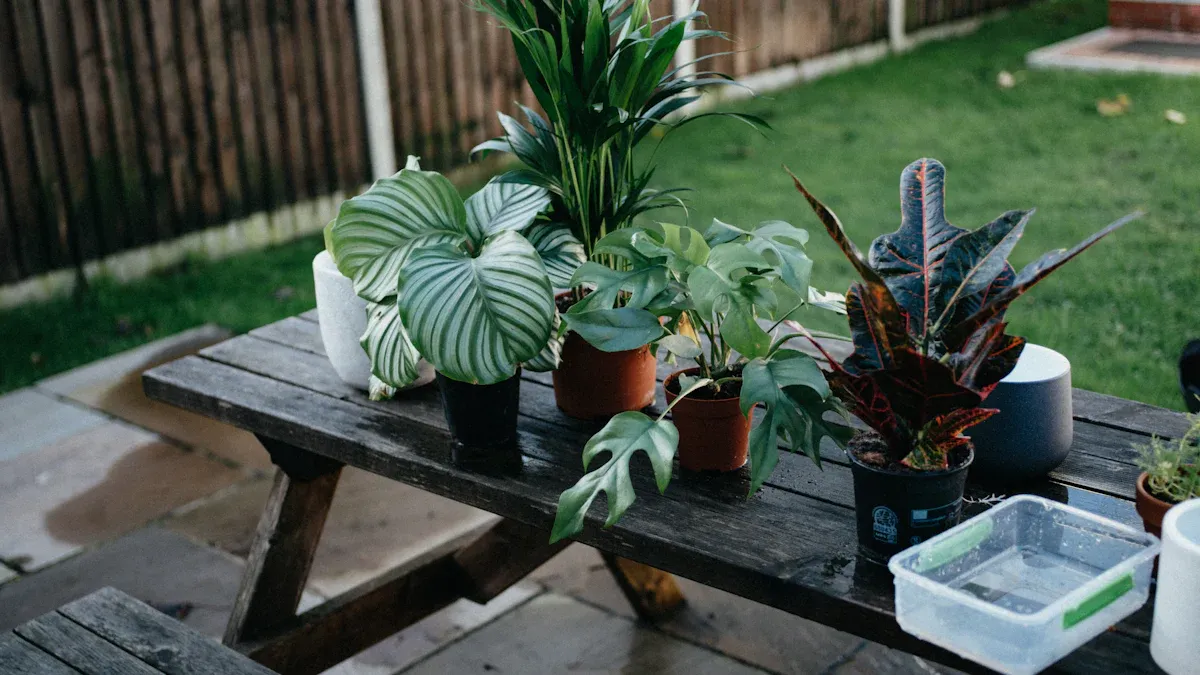
When you’re ready to dig up and transplant native plants, having the right tools can make all the difference. Let’s explore the essential tools you’ll need and some optional ones that can enhance your efficiency.
Essential Tools
To get started, here are some must-have tools for digging and transplanting:
Trowels: These handy tools are perfect for breaking up hard, compacted soils. If you’re working in drought-prone areas, a trowel will be your best friend.
Broadforks: This tool is great for breaking up and tilling soil. It works well in various soil conditions, making it a versatile choice for any gardener.
Spades: With their heart-shaped design, spades excel at planting perennials, especially in dry, hard soils. They help you create the perfect hole for your new plants.
Having these tools on hand will help you dig up plants with minimal stress and damage.
Optional Tools
While the essential tools will get you started, consider these optional tools to boost your transplanting success:
Tool | Benefits |
|---|---|
Specialized transplanting tools | Improve survival rates by at least 10% |
Watering cans or hoses | Ensure proper moisture before and after planting |
Garden gloves | Protect your hands while digging and handling plants |
Soil moisture meter | Help you monitor soil conditions effectively |
Using specialized transplanting tools can significantly impact the survival rate of your native plants. For instance, studies show that careful planting in moist soil and proper site preparation can enhance long-term survival. So, investing in the right tools not only makes your job easier but also helps your plants thrive in their new home. 🌿
With these tools in your gardening arsenal, you’re well on your way to successfully transplanting native plants and contributing to a healthier ecosystem!
Techniques for Digging Up Native Plants
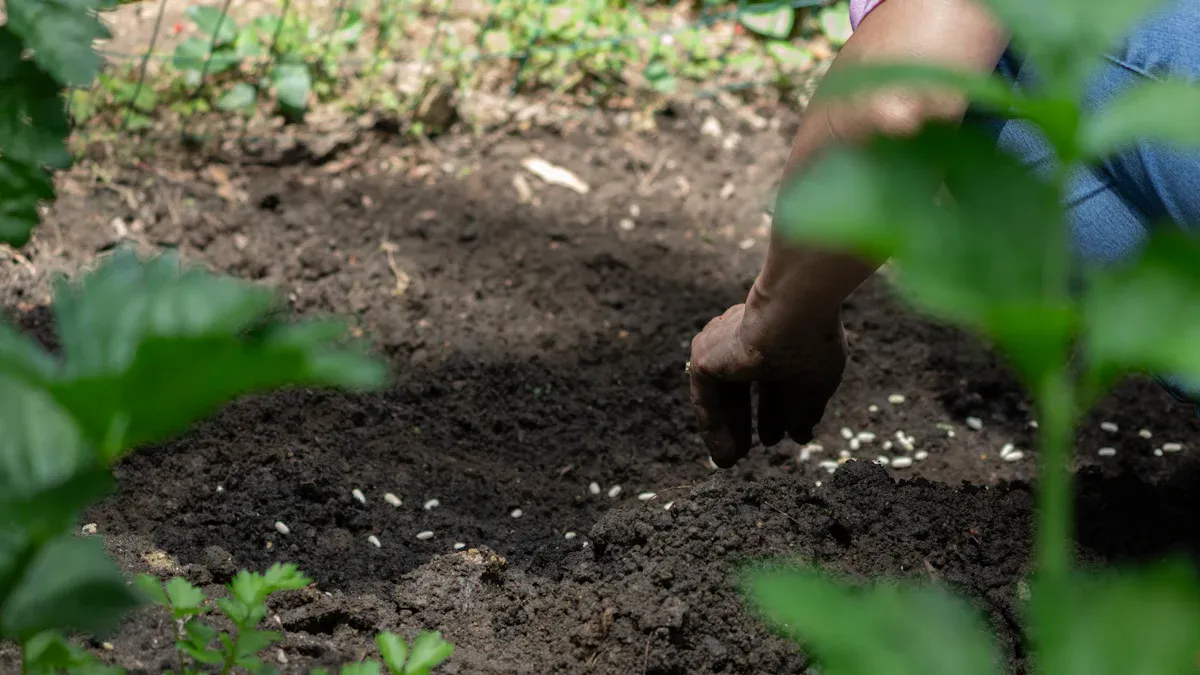
Before you start digging up native plants, it’s essential to prepare the site properly. This preparation sets the stage for successful transplanting and helps ensure the plants thrive in their new location.
Preparing the Site
Here are some key steps to follow when preparing your site for transplanting native plants:
Soil Testing: Conduct tests to understand the pH levels, nutrient content, soil texture, and organic matter content. This information helps you make informed decisions about soil preparation.
Weed and Debris Removal: Clear the area of weeds and debris. This prevents competition for resources and gives your native plants a better chance to establish themselves.
Grading and Drainage Management: Ensure proper grading to manage water flow and prevent erosion. Good drainage is crucial for the health of your plants.
Tip: Avoid tilling under unwanted vegetation. This can stimulate weed growth and damage the soil structure. Instead, consider using cardboard to kill existing vegetation by covering it for at least three months. Solarization is another effective method; it involves trapping heat with plastic sheets to eliminate weeds and seeds.
Once you’ve prepared the site, it’s time to focus on the actual digging process. Proper digging techniques can significantly reduce root damage, which is vital for the survival of your native plants.
Proper Digging Methods
Follow these step-by-step methods to dig up native plants effectively:
Begin Root Pruning: Start by marking a circle around the plant that’s about the size of the desired root ball. This helps you visualize how much root system you need to preserve.
Dig a Trench: Carefully dig a trench just outside the marked circle. This trench should be deep enough to accommodate the roots without causing damage.
Water the Day Before: Water the plant the day before transplanting. This reduces root breakage and helps the plant cope with the transition.
Save the Root Ball: Aim to save as much of the root ball as possible. The more roots you keep, the better the plant will establish itself in its new location.
Trim Damaged Roots: If you notice any damaged roots, trim them only. Avoid cutting healthy roots, as they are essential for the plant’s recovery.
Protect from Sun and Wind: Cover the roots with a damp cloth or plastic to prevent them from drying out during the transplanting process.
Minimize Time Out of the Ground: Try to keep the plant out of the ground for as little time as possible. The longer it’s exposed, the more stress it experiences.
Dig a Suitable Hole: When you dig the hole for the new location, make it at least 1-2 feet wider than the root ball. The hole should be wider at the bottom than at the top to allow for proper root spread.
Roughen the Sides: Use a shovel to roughen the sides of the hole. This helps roots penetrate the surrounding soil more easily.
Eliminate Air Pockets: Water the hole during and after backfilling to eliminate air pockets. This ensures good contact between the roots and the soil.
By following these techniques, you can minimize root damage and improve the chances of successful transplanting native plants. Remember, the goal is to create a welcoming environment for your plants, allowing them to thrive in their new home.
Dividing Native Plants
Dividing native plants can rejuvenate your garden and promote healthy growth. But when should you divide them? Timing is crucial! A general rule of thumb is to divide spring- or summer-blooming plants in the fall. For late-summer or fall-blooming plants, spring is the best time.
When to Divide
You’ll know it’s time to divide your native plants when you notice a few signs:
The root ball has more than doubled in size.
The plant flowers less than it did the previous year. Crowding often leads to fewer flowers.
The interior of grass clumps has died out.
A perennial has flopped open, exposing its center.
These signs indicate that your plants are ready for division, which can help them thrive in their new locations.
How to Divide
Dividing native plants is straightforward if you follow these steps:
Gather Your Tools: You’ll need a spading fork, shovel, container, pruners, fertilizer, and a water supply.
Identify the Plant: Check for the signs mentioned earlier to confirm it’s time to divide.
Know the Best Timing: Remember, spring is for fall-blooming perennials, while fall is for spring-blooming ones.
Plan the New Locations: Decide where to place the new divisions to ensure they recover quickly.
Dig, Divide, Plant, and Water: Prepare the soil, remove the root ball, separate the roots, and ensure proper watering.
Dividing native plants not only helps them grow but also enhances their flowering potential. Research shows that dividing and transplanting rejuvenates many perennials, leading to more vigorous growth compared to the parent plant. This process allows more space for roots to grow, improving nutrient and water absorption, which is crucial for plant health.
By following these steps, you can successfully divide native plants and enjoy a flourishing garden!
Aftercare for Transplanted Plants
After transplanting native plants, you need to pay close attention to their health. Monitoring their condition helps you catch any signs of stress early on. This way, you can take action to support their recovery and ensure they thrive in their new environment.
Monitoring Health
Keep an eye on your transplanted native plants for signs of transplant shock. Here are some common indicators to watch for:
Root disturbance: Uprooting can disturb the roots, making it hard for them to establish.
Environmental changes: Changes in light, temperature, and soil can stress the plants.
Water stress: Overwatering or underwatering can lead to problems.
Look for these specific symptoms:
Leaf scorch: Yellowing or bronzing of leaves can indicate stress.
Wilting leaves: If the leaves droop, it’s a sign they need attention.
Color changes: Grey-green coloration in evergreen needles can signal issues.
To help your plants recover, monitor for new growth. This is a positive sign that they are adjusting. Water them appropriately to prevent stress, and protect them from extreme conditions until they are well-established.
You should check on your plants frequently during their first growing season. Here’s a quick checklist for monitoring:
Visit at least once a week to assess their condition.
Look for signs of survival, such as new leaves or flowers.
Keep track of their growth for at least three years, ideally longer.
Long-term Maintenance
Once your native plants are established, you’ll want to focus on long-term care. Here are some essential practices to keep them healthy:
Watering: Native plants typically require less water than conventional plants. Seasonal rainfall may suffice, but during dry spells, you should provide supplemental irrigation.
Mulching: Apply mulch around your plants. This helps retain moisture, regulates soil temperature, and reduces competition from weeds.
Fertilizing: Instead of commercial fertilizers, focus on building long-term soil health. Organic options can provide occasional boosts without harming the ecosystem.
Pruning: Regular pruning not only enhances the appearance of your garden but also directs healthy growth, improving the overall landscape.
Here’s a table summarizing the benefits of watering and mulching for your transplanted native plants:
Evidence Type | Description |
|---|---|
Root Development | Regular watering encourages deep root growth, essential for the long-term survival of native plants. |
Survival Challenges | Watering helps transplanted native plants overcome stress from changes in soil, light, and water. |
Mulch Benefits | Mulch retains moisture, regulates soil temperature, and reduces competition from weeds, aiding establishment. |
By following these aftercare tips, you can ensure that your transplanted native plants thrive for years to come. Remember, the goal is to create a supportive environment that allows them to flourish in their new home.
In summary, transplanting native plants involves careful planning and execution. Here are the key takeaways:
Timing is crucial; transplant in early fall for better root establishment.
Choose plants suited to the new location’s conditions.
Prepare the site by assessing sunlight, soil type, and drainage.
Dig a hole wider than the root ball to minimize transplant shock.
Handle the plants gently to avoid damaging the roots.
By following these best practices, you can help ensure the health of your native plants. Remember, responsible gardening and conservation efforts not only benefit your garden but also support local ecosystems. So, get out there and make a positive impact!
FAQ
What is the best time to transplant native plants?
The best time to transplant native plants is in early spring or fall, depending on your climate. Spring allows roots to establish before summer heat, while fall gives plants time to grow before winter.
How deep should I dig when transplanting?
You should dig at least 1-2 feet deep to capture the root ball. This depth helps minimize root damage and ensures the plant can establish itself in its new location.
Can I transplant native plants during summer?
It’s not ideal to transplant during summer due to heat stress. If necessary, do it on a cool, overcast day and ensure the soil is moist to help the plants cope.
How often should I water transplanted native plants?
Water transplanted native plants regularly, especially during their first growing season. Aim for about once a week, or more often if the weather is particularly dry.
What should I do if my transplanted plants show signs of stress?
If you notice signs of stress, like wilting or yellowing leaves, check the soil moisture. Adjust your watering schedule and provide shade if needed to help them recover.