
Caring for your Angel Wings plant is crucial for its growth and blooming potential, and following a comprehensive Plant Care Guide can make all the difference. You might worry about pests, diseases, or how to keep the soil just right. Many gardeners face common concerns like overwatering, which can lead to mushy pads, or too much sunlight, causing yellowing leaves. Understanding the unique needs of your Angel Wings, as outlined in the Plant Care Guide, will help you avoid these pitfalls. With the right care, you can enjoy vibrant blooms and stunning foliage that truly brighten your space.
Key Takeaways
Provide bright, indirect light to keep your Angel Wings plant healthy and vibrant.
Water your plant only when the top inch of soil feels dry to prevent root rot.
Maintain humidity levels between 60% to 80% to support growth and blooming.
Regularly check for pests and treat them promptly to keep your plant thriving.
Prune your plant in early spring to encourage bushy growth and vibrant blooms.
CONDITIONS FOR ANGEL WINGS PLANT
Light Requirements
When it comes to the angel wings plant, light plays a vital role in its overall health and blooming potential. You want to provide your plant with bright, indirect light to help it thrive. Here are some key points to consider:
Optimal Light: Aim for a location where your plant can soak up bright, filtered sunlight. This helps maintain the vibrant colors of the leaves and encourages healthy growth.
Avoid Direct Sunlight: Too much direct sunlight can scorch the leaves, leading to yellowing and stunted growth. If you notice your plant’s leaves turning yellow or crispy, it might be getting too much sun.
Insufficient Light: On the flip side, if your angel wings plant doesn’t receive enough light, it may develop darker green, soft leaves and thin stems. This can hinder its blooming ability, as light intensity is crucial for flower formation.
Research shows that light intensity and quality significantly influence the flowering process in plants like the angel-wing begonia. Adequate light leads to short, plump stems and bright green, leathery leaves. Conversely, insufficient light can negatively impact growth and flowering attributes.
Temperature & Humidity
Temperature and humidity are equally important for your angel wings plant. Here’s what you need to know:
Ideal Temperature: Keep your plant in a warm environment. The ideal daytime temperature ranges from 70° to 80° Fahrenheit (21° to 27° C). At night, aim for a cooler range of 55° to 65° Fahrenheit (13° to 18° C). This temperature fluctuation mimics natural conditions and promotes healthy growth.
Humidity Levels: Your angel wings plant thrives in humidity levels between 60% to 80%. If the air is too dry, you might notice the leaves shriveling and drying out. On the other hand, excessive humidity can lead to fungal issues like powdery mildew and rust.
To maintain the right humidity, consider using a humidifier or placing a tray of water near your plant. This can help create a more favorable environment for your angel wings to flourish.
By paying attention to these light and temperature needs, you can ensure that your angel wings plant grows healthy and produces beautiful blooms.
WATERING & FERTILIZATION
Watering Tips
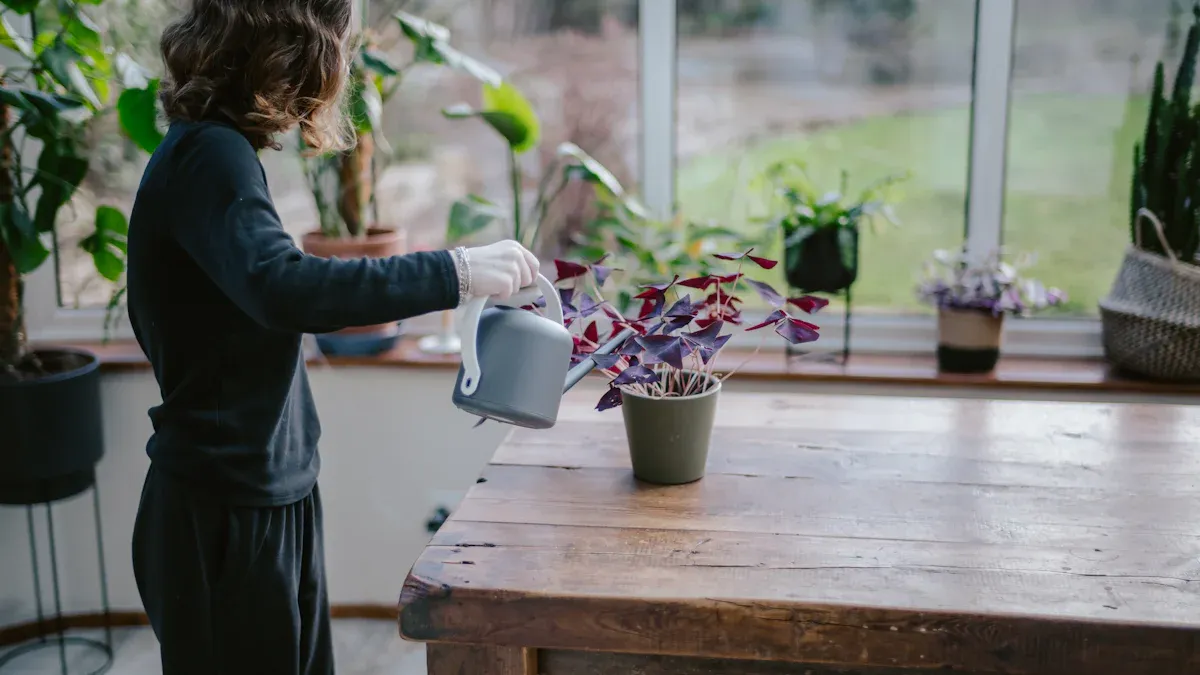
Watering your angel wings plant correctly is essential for its health and growth. Here are some tips to help you get it right:
Check the Soil: Always check the surface of the soil before watering. If it feels dry to the touch, it’s time to water. This helps prevent overwatering, which can lead to root rot.
Frequency: Generally, you should water your angel wings plant about once a week. However, this can vary based on factors like your location, pot size, and the size of the plant. During warmer months, you might need to water more frequently, while in cooler months, you can reduce the frequency.
Watering Technique: When you water, do so thoroughly. Ensure that water seeps out of the drainage holes at the bottom of the pot. This ensures that the roots receive adequate moisture without sitting in water.
Tip: If you notice the leaves drooping or curling, it might be a sign that your plant needs water. However, be cautious not to overdo it!
Fertilization Guide
Fertilizing your angel wings plant can boost its growth and blooming potential. Here’s what you need to know:
Growing Season: During the growing season, which typically runs from spring to early fall, your angel wings plant may benefit from some extra nutrients. However, it’s important to note that they usually don’t require additional fertilizer if you replace the potting soil annually. Most potting soils contain enough nutrients to support healthy growth.
Nutrient Ratio: If you decide to fertilize, look for a balanced fertilizer with an equal ratio of nitrogen, phosphorus, and potassium (like a 10-10-10 formula). This will help promote lush foliage and vibrant blooms.
Application: Apply fertilizer every 4-6 weeks during the growing season. Be sure to follow the instructions on the fertilizer package to avoid over-fertilizing, which can harm your plant.
By following these watering and fertilization tips, you can ensure that your angel wings plant remains healthy and vibrant, ready to showcase its stunning blooms.
ANGEL-WING BEGONIA PROPAGATION
Propagating your angel wings plant can be a rewarding experience. It allows you to expand your collection or share with friends. Here are some effective methods to propagate your angel-wing begonia:
Propagation Methods
Stem Cuttings: This is the most common method. Choose healthy stems with at least two leaves. Cut just below a node and place the cutting in water or soil.
Leaf Cuttings: You can also propagate using a single leaf. Cut a healthy leaf into sections, ensuring each piece has a vein. Place these sections in soil, and they will eventually grow roots.
Division: If your plant has grown large, consider dividing it. Carefully separate the root ball into smaller sections, ensuring each has roots and leaves.
Tip: The best time to propagate these plants is during the spring or early summer months. During this period, the plants are actively growing and have enough energy reserves to support new growth from cuttings.
Care for New Plants
Once you’ve propagated your angel wings, proper care is essential for their survival. Here are some tips to help your new plants thrive:
Light: Place them near a window with filtered light. Avoid direct sunlight to prevent burning.
Soil: Use a cactus/succulent mix with 30-50% perlite for drainage. This helps prevent root rot.
Watering: Water thoroughly until it drains. Consider bottom watering to keep the soil moist without over-saturating it.
Pest Management: Keep an eye out for pests. Treat any infestations with isopropyl alcohol or neem oil, applying multiple times if necessary.
New cuttings typically begin to form roots in about two weeks. You’ll see significant root growth by one month, and continued growth with new roots and leaves by two months. With the right care, your angel wings will flourish and reward you with beautiful blooms.
PRUNING & MAINTENANCE

Pruning your angel wings plant is essential for keeping it healthy and encouraging vibrant blooms. Regular pruning helps maintain a compact and bushy growth habit. Here are some effective pruning techniques you can use:
Pruning Techniques
Timing: Prune your angel wings in early spring before new growth starts. This timing allows the plant to recover quickly and promotes healthy growth.
Remove Dead Material: Always take out dead or damaged leaves and stems. This not only improves the plant’s appearance but also prevents disease.
Encourage Bushiness: Cut back any leggy stems to promote bushier growth. Make your cuts just above a leaf node for the best results. This technique stimulates new growth and enhances the overall shape of the plant.
Research shows that specific pruning techniques can enhance flowering. For instance, methods like ‘1/2 trimming’ can advance the flowering period by up to three days. Pruning also activates dormant buds, leading to a larger leaf area and faster growth.
Maintenance Tips
To keep your angel wings thriving year-round, follow these maintenance tips:
Watering: Water the soil only, avoiding damp leaves. This helps prevent fungal issues. Allow the plant to dry completely before the next watering, especially in winter or damp climates.
Soil: Use free-draining, loamy, and sandy soil. This type of soil supports healthy root development.
Fertilization: Fertilize in spring to give your plant a nutrient boost. If needed, apply fungicide monthly to prevent diseases.
Pest Inspections: Check your plant for pests at least once a week. If your plant is thriving, monthly checks may suffice. Focus on the undersides of leaves and overall leaf color.
By following these pruning and maintenance tips, you can ensure your angel wings plant remains healthy and ready to showcase its stunning blooms.
COMMON PROBLEMS & SOLUTIONS
When caring for your angel wings plant, you might encounter a few common problems. Understanding these issues can help you keep your plant healthy and thriving.
Pests & Diseases
Your angel wings plant can attract pests like aphids, mealybugs, and whiteflies. These pests can damage your plant and hinder its growth. Here are some effective ways to manage them:
Wipe the leaves with a damp cloth or spray them with homemade insecticidal soap.
Encourage natural predators like ladybirds, which feed on pests such as aphids and mealybugs.
Regularly inspect your plant for signs of infestation. Maintaining plant health can prevent pest problems.
For soft-bodied pests, consider using neem oil. This natural solution works well against whiteflies and mealybugs. It can also help prevent diseases that affect your angel wings.
Troubleshooting Issues
Sometimes, your angel wings plant may show signs of stress due to nutrient deficiencies or environmental factors. Here’s how to troubleshoot these issues:
Maintain a fertilization schedule using a balanced succulent fertilizer every 4-6 weeks during the growing season. This ensures your plant gets the nutrients it needs.
Conduct soil testing to check nutrient levels and pH balance. This helps you understand what your plant requires.
Incorporate organic amendments like compost or worm castings to enrich the soil. This can improve overall plant health and support vibrant blooms.
By addressing these common problems, you can help your angel wings plant grow strong and healthy, ensuring it remains a beautiful addition to your space.
Caring for your angel wings plant can lead to stunning blooms and vibrant foliage. Remember these essential tips for optimal health:
Place your plant in bright, indirect light.
Use well-draining soil to prevent root rot.
Water only when the soil is completely dry.
Keep humidity levels high to promote growth.
Regularly check for pests and treat them promptly.
With the right care, your angel wings can thrive and enhance any garden space. So, dive into these growing tips and watch your begonia flourish!
FAQ
What type of soil is best for my Angel Wings plant?
Use a well-draining potting mix. A blend of loamy soil with perlite or sand works great. This mix prevents root rot and promotes healthy growth.
How often should I water my Angel Wings plant?
Water your plant when the top inch of soil feels dry. Typically, this means watering once a week, but adjust based on your environment.
Can I keep my Angel Wings plant outside?
Yes, but only in a shaded area. Direct sunlight can scorch the leaves. Ensure temperatures stay within the ideal range for best results.
How do I know if my plant is getting enough light?
If your plant has vibrant, green leaves and grows steadily, it’s likely getting enough light. Yellowing leaves may indicate too much sun.
What should I do if my Angel Wings plant gets pests?
Inspect your plant regularly. If you spot pests, wipe the leaves with a damp cloth or use neem oil to treat infestations effectively.