
Aphids can wreak havoc on your beautiful wisteria plants. These tiny pests suck the sap, weakening your plant and potentially causing branch dieback. It’s essential to act quickly! You can choose from effective natural remedies or chemical treatments to get rid of aphids. Don’t let these pests take over!
Key Takeaways
Identify aphids by looking for signs like yellowing leaves, curling edges, and sticky honeydew. Regular checks can help catch infestations early.
Use natural remedies like soapy water and neem oil to control aphids without harsh chemicals. These methods are effective and safe for your plants.
Implement prevention strategies such as using insect nets and introducing beneficial insects like ladybugs. These steps can help keep your wisteria healthy and aphid-free.
Identify Aphids on Wisteria
Visual Signs
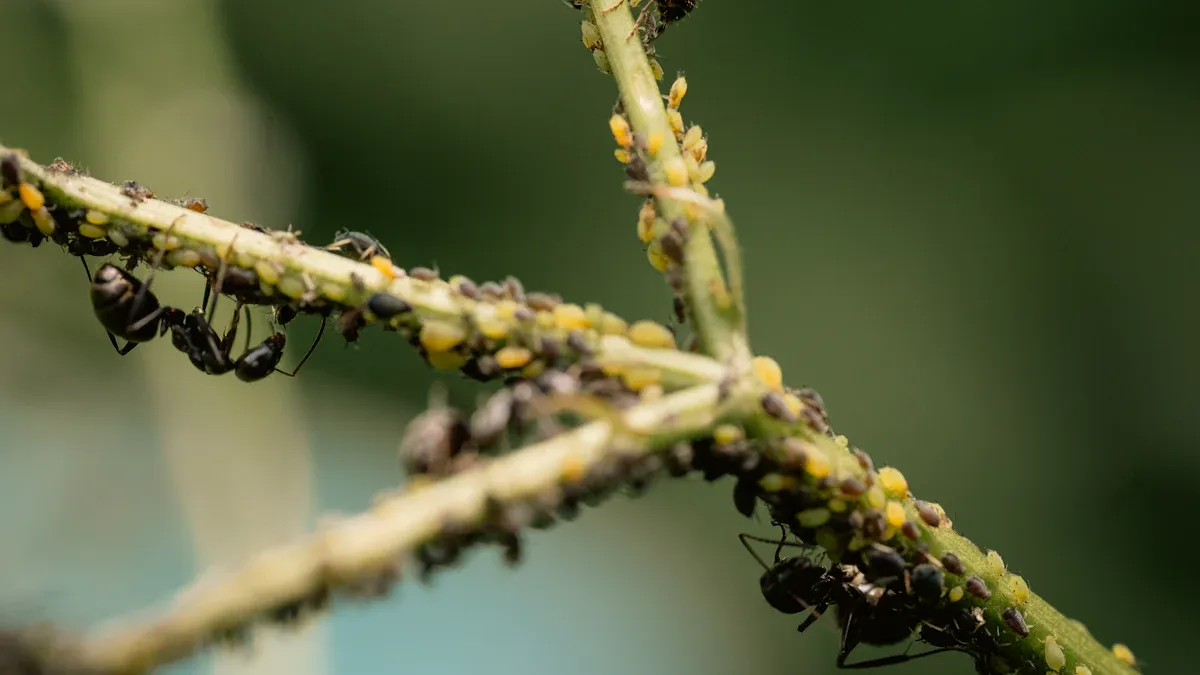
When you check your wisteria for aphids, look for some key visual signs. These tiny pests can be tricky to spot, but they leave behind clear indicators of their presence. Here are some characteristics to watch for:
Coloration: Aphids often have a dark red color, which can make them stand out against the green leaves.
Body Shape: They have a cylindrical body that measures about 2.5 to 2.7 mm in length.
Distinct Features: Look for black siphunculi and femora, a pale cauda, and densely spinulose surfaces on their head. Their well-developed and divergent antennal tubercles are also a giveaway.
Smooth Abdomen: Unlike some other pests, aphids have a smooth abdomen without dorsal transverse sclerites.
Elongate Cauda: This feature can help you identify them quickly.
If you notice any of these signs, your wisteria may be infested with aphids.
Common Locations
Aphids tend to gather in specific areas on your wisteria plant. Knowing where to look can help you catch an infestation early. Here are the most common locations:
New Growth: Aphids love tender, new shoots. Check the tips of branches and young leaves.
Undersides of Leaves: These pests often hide on the underside of leaves, where they can feed without being easily spotted.
Flower Buds: If your wisteria is flowering, inspect the buds closely. Aphids can often be found there, sucking the sap and stunting growth.
Stems and Branches: Look along the stems and branches, especially where the leaves meet the stem. This is a prime feeding area for aphids.
By keeping an eye on these areas, you can catch aphids before they cause significant damage to your wisteria.
Assess Damage from Aphids
Symptoms of Infestation
When aphids invade your wisteria, you might notice several symptoms that signal trouble. Here are some early signs to watch for:
Leaf Discoloration: You may see yellowing or mottling on the leaves.
Curling Leaves: The edges of the leaves might start rolling inward.
Stunted Growth: You could observe smaller leaves and shorter stems than usual.
Honeydew Production: Aphids excrete a sticky substance called honeydew, which can coat your plant.
Sooty Mold: This black residue often appears on leaves due to honeydew accumulation.
These symptoms indicate that aphids are feeding on your plant, consuming sap and causing visible damage. You might also notice wilting or dieback of leaves as the infestation worsens.
Long-term Effects
If you don’t address an aphid infestation promptly, your wisteria can suffer long-term consequences. Research suggests that prolonged aphid feeding can lead to reduced vigor in plants. While there isn’t direct statistical evidence specifically for wisteria, studies show a strong link between aphid infestations and decreased plant health. This means your wisteria could become weaker over time, making it more susceptible to diseases and environmental stressors.
Taking action against aphids not only protects your plant’s immediate health but also ensures its longevity and beauty for years to come.
Treatment Solutions to Get Rid of Aphids
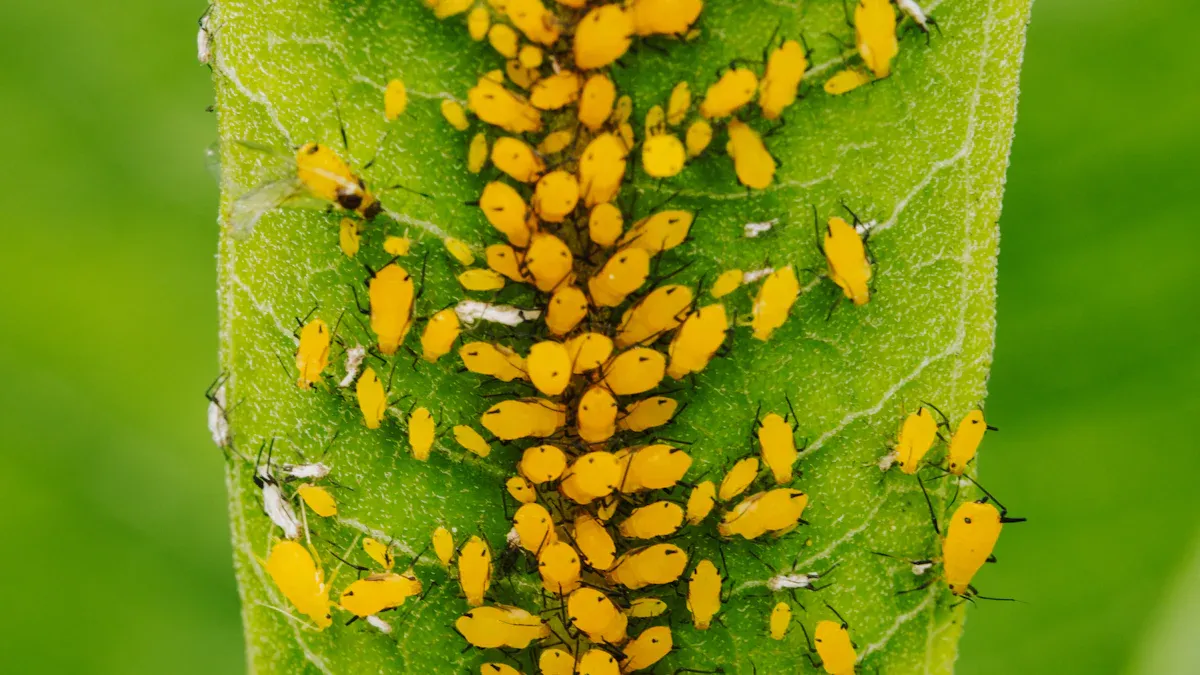
When it comes to getting rid of aphids on your wisteria, you have several options. You can choose from natural remedies or chemical treatments, depending on your preferences and the severity of the infestation. Let’s dive into both approaches!
Natural Remedies
Natural remedies can be a great way to control aphids without harsh chemicals. Here are some effective options you can try:
Soapy Water: Mix a few drops of dish soap with water in a spray bottle. Spray this solution directly on the aphids. The soap suffocates them, making it a simple treatment.
Neem Oil: This natural pesticide disrupts the life cycle of aphids. Mix neem oil with water and spray it on your wisteria. It’s effective and safe for beneficial insects when used correctly.
Essential Oils: Oils like rosemary and garlic can deter aphids. You can create a spray by mixing these oils with water.
Here’s a table summarizing some scientifically proven natural remedies for aphids:
Natural Remedy | Effectiveness Against Aphids | Study Reference |
|---|---|---|
Rosemary Essential Oil | Killed >57% of Myzus persica after 48 hours | Hakimi et al., 2015 |
Garlic Extract | Killed ~75% of aphids in 24 hours | Sohail et al., 2012 |
Papaya Leaf Extract | Reduced aphid populations by half | Mochiah et al., 2011 |
Mint Extract | Killed 25-33% of aphids | Sayeda et al., 2009 |
Catnip Essential Oil | Killed 90% of cabbage aphids | Pavela, 2006 |
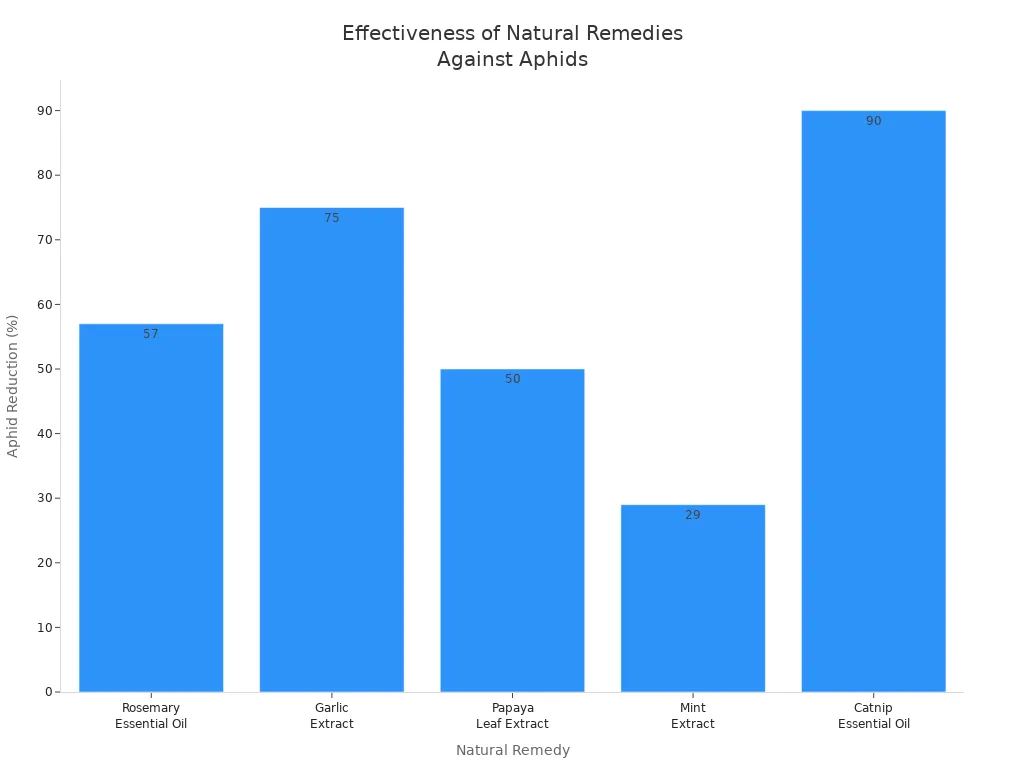
These remedies can help you control aphid populations effectively while being gentle on your plants.
Chemical Treatments
If natural remedies don’t do the trick, you might consider chemical treatments. However, it’s essential to use them carefully. Here are some common options:
Insecticidal Soap: This is a popular choice for pest control. It works by suffocating aphids on contact. Make sure to follow the instructions on the label for the best results.
Chemical Insecticides: These can be effective but come with risks. Always read the label and apply them as directed.
Keep in mind that chemical treatments can lead to phytotoxicity, which means they might damage your wisteria. This damage can be reversible or irreversible, depending on the chemicals used. Here’s a quick overview of the potential risks:
Evidence Type | Description |
|---|---|
Chemical Control | Many insecticides are available for aphid control, but all pesticides can harm sensitive crops. |
Phytotoxicity | Plant tissue damage from chemical exposure can occur, and the severity depends on the type and amount of chemicals used. |
Application Risks | Common risks include overdosing, interaction between chemicals, and treating stressed plants. |
To avoid mistakes, remember to check the underside of leaves where aphids often hide. Overusing chemical pesticides can harm your plant’s tender new foliage, so use them wisely.
By understanding both natural and chemical treatment options, you can effectively get rid of aphids and keep your wisteria healthy and thriving.
Preventing Aphids on Wisteria
Monitoring Plants
To keep your wisteria healthy, you need to monitor your plants regularly. Establish a routine inspection schedule to catch any signs of aphids early. Here are some effective monitoring techniques:
Check several plants weekly, especially those prone to aphid infestations.
Look for unusual leaf damage or sticky residues, which can indicate aphid activity.
Inspect young growing tips, stems, and buds closely for any signs of these pests.
Use yellow sticky cards to capture winged aphids, particularly during spring and early summer.
By staying vigilant, you can prevent minor infestations from escalating into bigger problems.
Prevention Strategies
Preventing aphids on your wisteria is all about creating a healthy environment. Here are some strategies to help you keep these pests at bay:
Use insect nets to protect your plants during their development.
Choose companion plants that attract natural predators, like marigolds and sunflowers.
Introduce beneficial insects, such as ladybugs and lacewings, to your garden. They love to feast on aphids!
Additionally, maintaining healthy soil is crucial. Avoid overwatering and keep your plant’s environment clean by removing debris and dead leaves. Regular inspections every 1-2 weeks during the growing season can also help you catch any issues early.
By implementing these monitoring techniques and prevention strategies, you can significantly reduce the chances of aphid infestations on your wisteria plants.
In summary, tackling aphids on your wisteria is crucial for maintaining its health and beauty. You can choose from natural remedies like soapy water and neem oil or opt for chemical treatments if needed. Remember to monitor your plants regularly and implement prevention strategies. By taking these steps, you can protect your wisteria from aphids and enjoy its stunning blooms for years to come!
Tip: Consider using biological control methods, such as introducing natural predators like lady beetles, to keep aphid populations in check.
FAQ
What are the best natural remedies for aphids on wisteria?
You can use soapy water, neem oil, or essential oils like rosemary and garlic to effectively control aphids.
How often should I check my wisteria for aphids?
Inspect your wisteria weekly, especially during the growing season, to catch any aphid infestations early.
Can aphids harm my wisteria long-term?
Yes, prolonged aphid feeding can weaken your wisteria, making it more susceptible to diseases and environmental stressors.