Blossom-End Rot can devastate your tomato harvest. This common disorder creates unsightly black lesions on the bottom of the fruit, leading to significant yield loss. Recent studies show that this condition can result in up to 30% yield loss, affecting both the quality and marketability of your tomatoes. Additionally, severe cases may cause losses of up to 50%, leading to substantial economic challenges for growers. Understanding how to identify and manage this issue is crucial for anyone looking to cultivate healthy tomatoes.
Key Takeaways
Blossom-end rot causes dark, sunken spots on tomatoes due to calcium deficiency. Identify symptoms early to prevent further damage.
Maintain consistent watering practices. Provide about one inch of water weekly to help tomatoes absorb necessary calcium.
Use mulch to retain soil moisture. Mulching reduces evaporation and stabilizes soil temperature, promoting healthy tomato growth.
Incorporate calcium-rich soil amendments like calcium sulfate or calcium nitrate. These improve calcium availability and prevent blossom-end rot.
Rotate crops every 3 to 4 years. This practice replenishes soil nutrients and reduces the risk of blossom-end rot.
Identifying Blossom-End Rot
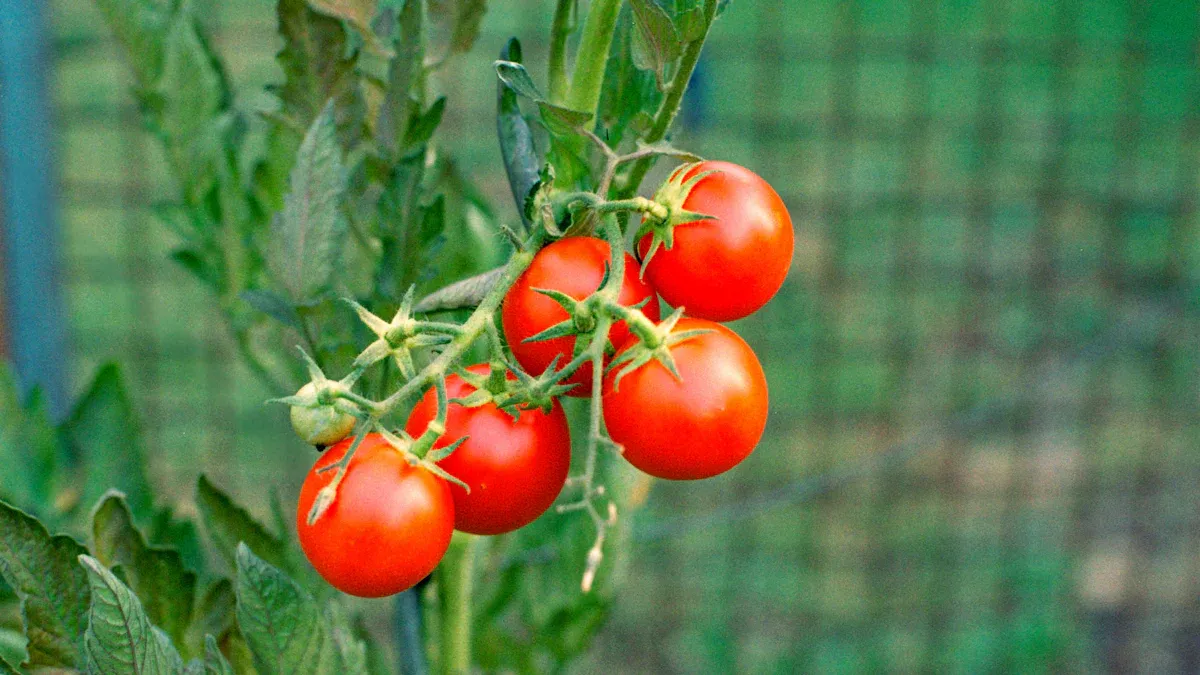
Symptoms of Blossom-End Rot
You can spot blossom-end rot by looking for specific signs on your tomatoes. The symptoms often appear shortly after the fruit sets, especially on the first tomatoes of the season. Here are the common visual indicators:
Indicator Description | Progression |
|---|---|
Tiny, water-soaked patches | Initially appear as bruises on the bottom of the fruit. |
Dark brown to black spots | Spots enlarge and develop a leather-like texture. |
Sunken patches | Eventually, the rot spreads and damages the whole fruit. |
These symptoms can develop several days before you notice them. If you see these signs, it’s crucial to act quickly to prevent further damage.
Causes of Blossom-End Rot
Blossom-end rot primarily results from calcium deficiency in the fruit. However, several factors contribute to this issue:
A localized calcium deficiency can occur due to soil or growing conditions affecting calcium uptake.
Drought, salinity, and high temperatures promote blossom-end rot.
Excessive nitrogen applications can increase a plant’s demand for calcium.
Although blossom-end rot stems from calcium deficiency, environmental conditions play a significant role. Water stress, excessive salinity, and root damage can all contribute to the symptoms.
Additionally, environmental factors like temperature and humidity can influence the prevalence of blossom-end rot. For instance:
Drought stress and low daytime humidity favor the development of blossom-end rot.
High temperatures increase the demand for calcium during rapid fruit enlargement.
Insufficient soil moisture early in the season can lead to increased blossom-end rot due to limited calcium transport.
Understanding these symptoms and causes will help you take preventive measures and ensure a healthy harvest of tomatoes.
How to Prevent Blossom End Rot
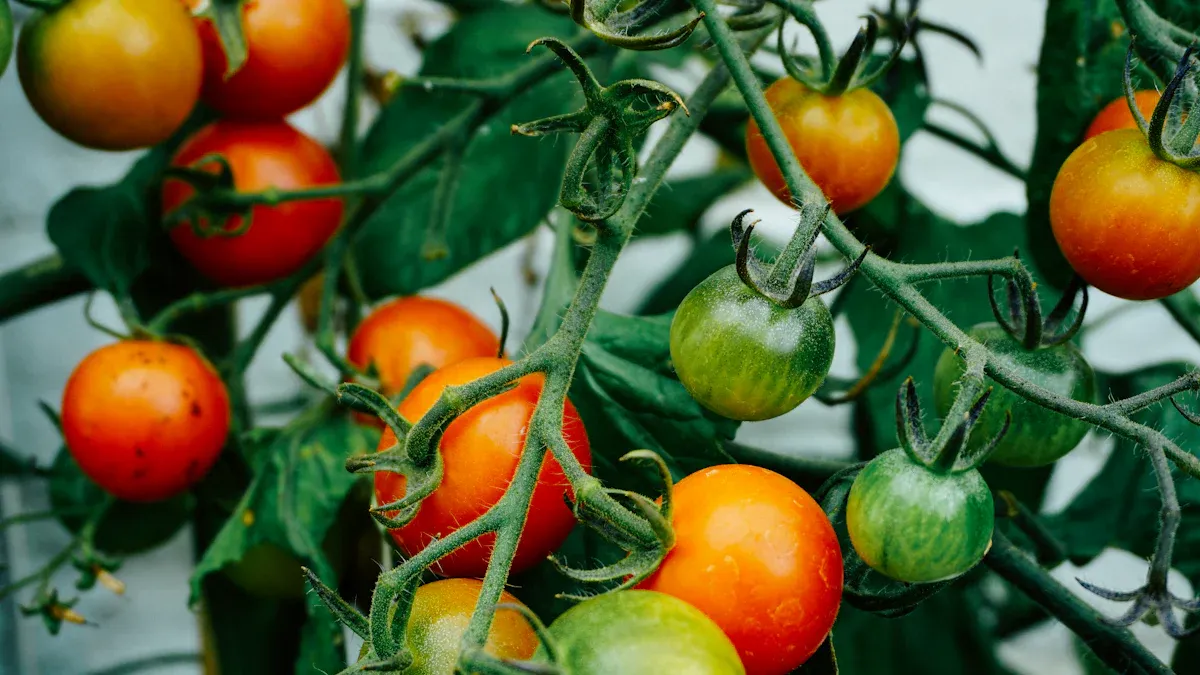
Preventing blossom end rot is essential for a successful tomato harvest. You can take several proactive steps to ensure your tomatoes remain healthy and productive. Here are some effective strategies:
Soil Preparation for Tomatoes
Start with proper soil preparation. The right soil pH is crucial for calcium uptake. Aim for a pH range between 6.0 and 7.0. This range optimizes calcium availability, helping to prevent blossom end rot.
To enhance calcium levels, consider using specific soil amendments. The table below lists effective options:
Soil Amendment | Effect on Calcium Availability | Additional Benefits |
|---|---|---|
Calcium Sulfate | Increased Ca content by 704% | Improves soil structure, enhances root penetration |
Calcium Nitrate | Significant contribution to Ca | Supports plant vigor and productivity |
Poultry Manure (PM) | Enhances soil fertility | Supplies nutrients and organic matter |
Biochar | Improves nutrient availability | Overall benefits to soil fertility |
Consistent Watering Practices
Watering your tomatoes consistently is vital. Irregular watering leads to fluctuations in soil moisture levels. These fluctuations hinder the plant’s ability to absorb calcium, increasing the risk of blossom-end rot.
To minimize this risk, follow these watering guidelines:
Provide about an inch of water per week.
Add an extra half-inch for every 10-degree increase above 60°F.
In hot summer months, tomatoes may need up to two inches of water weekly.
Avoid letting the soil dry out completely between waterings.
By maintaining consistent moisture, you can help your plants absorb the calcium they need.
Using Mulch to Retain Moisture
Mulching is another effective way to retain moisture in the soil. It helps reduce evaporation and keeps the soil temperature stable. Here are some excellent mulch options:
Compost: Absorbs sunlight and warms the soil.
Grass Clippings: Apply in a thin layer to avoid matting.
Pine Straw: Breaks down slowly and retains moisture.
Leaf Litter: Adds nutrients as it decomposes.
Straw: Reflects sunlight and protects crops from excessive heat.
Studies show that mulch can significantly reduce water evaporation from the soil, leading to better moisture retention. This practice supports healthy tomato growth and helps prevent blossom end rot.
Incorporating Compost
Adding compost to your soil improves its structure and nutrient content. Tomatoes thrive in nutrient-rich compost that retains moisture effectively. Consider using the following materials for composting:
Composting Material | Benefits |
|---|---|
Compost | Rich in nutrients, improves soil texture, increases microbial activity. |
Aged Manure | Adds organic matter, retains moisture, provides slow-release nutrients. |
Peat Moss | Improves soil structure, retains moisture, provides a slightly acidic environment. |
Using compost helps create a sponge-like medium that allows roots to access necessary water and nutrients for robust growth.
Crop Rotation Strategies
Implementing crop rotation can significantly reduce the risk of blossom end rot. Rotate your tomato crops every 3 to 4 years. This practice prevents soil depletion and helps replenish calcium levels. Here are some tips for effective crop rotation:
Avoid planting tomatoes in the same space for at least three years.
Use a rotation plan that includes crops like garlic, beans, and squash to maintain soil health.
By following these strategies, you can create a healthy environment for your tomatoes and effectively prevent blossom end rot.
Fixing Blossom End Rot
Calcium Solutions for Treatment
To effectively fix blossom end rot, you must focus on calcium solutions. Calcium is essential for preventing this disorder. When you notice symptoms, act quickly to address the lack of calcium. Here are some effective calcium treatments:
Calcium Chloride: This solution has shown success in reducing blossom-end rot incidence. Apply it directly to the soil around the roots for better absorption. Continuous application is necessary, especially before symptoms develop.
Gypsum: While it can help, gypsum yields slower results compared to calcium chloride. It still provides a source of calcium but may not be as effective in urgent situations.
Direct Application: Pouring calcium solutions around the roots is more effective than foliar sprays. Foliar sprays do not effectively address blossom-end rot because calcium primarily enters the plant through the roots.
Remember, maintaining uniform soil moisture is crucial. Avoid letting the soil dry out between watering. This practice ensures consistent calcium uptake, which is vital for healthy tomato growth.
Implementing a Nutrition Program
A balanced nutrition program is key to preventing and treating blossom end rot. Here are the essential components you should consider:
Calcium: Ensure your soil has adequate calcium levels. A lack of calcium directly links to the occurrence of blossom-end rot.
Nitrogen Management: Be cautious with nitrogen fertilizers. Overuse can hinder calcium uptake, increasing the risk of blossom-end rot. Excess nitrogen promotes vigorous plant growth, which can divert calcium away from developing fruits.
Moisture Management: Both water stress and excess moisture can lead to increased risks of blossom-end rot. Maintain consistent watering practices to support calcium transport and uptake.
Salinity Control: High salinity can restrict calcium uptake. Monitor soil salinity levels to prevent complications.
Temperature Management: Optimal root temperatures enhance calcium uptake. Ensure your plants are not exposed to extreme temperature fluctuations.
By implementing these strategies, you can effectively fix blossom end rot and promote healthy tomato growth. Moderate calcium application can significantly reduce the incidence and severity of blossom-end rot. However, be cautious not to overapply calcium, as excessive amounts can worsen the problem.
To ensure a healthy tomato harvest, you must focus on preventing blossom-end rot. Here are some essential tips:
Mulch the soil to reduce moisture fluctuations.
Water slowly if rainfall is less than 1 inch per week.
Use fresh potting soil annually for container plants.
Select disease-resistant tomato varieties.
Recent advancements in agricultural research have led to varieties with complete resistance to blossom-end rot, maintaining higher internal calcium levels and greater tolerance to environmental stress. By implementing these strategies, you can enjoy a bountiful harvest of healthy tomatoes.
FAQ
What is blossom-end rot?
Blossom-end rot is a common disorder in tomatoes. It appears as dark, sunken spots on the bottom of the fruit. This condition results from calcium deficiency and inconsistent watering practices.
How can I tell if my tomatoes have blossom-end rot?
Look for dark, leathery spots on the fruit’s bottom. These spots start small and grow larger over time. If you notice these symptoms, act quickly to prevent further damage.
Can I eat tomatoes with blossom-end rot?
While the affected areas are not harmful, they may taste bitter and have an unpleasant texture. You can cut away the rotten parts and eat the rest, but it’s best to prevent the issue altogether.
How often should I water my tomato plants?
Water your tomato plants consistently, providing about one inch of water per week. Increase this amount during hot weather. Avoid letting the soil dry out completely between waterings.
What soil amendments help prevent blossom-end rot?
To prevent blossom-end rot, use calcium-rich amendments like calcium sulfate or calcium nitrate. Compost also improves soil structure and nutrient content, promoting healthy tomato growth.