Brown spots on your tarragon plant can be a common concern. These spots may signal various issues that affect your plant’s health. For instance, dark spots might indicate water spots or fungal infections. In contrast, brown spots often suggest overwatering or too much sunlight. Understanding the cause is crucial for effective treatment.
Key Takeaways
Brown spots on tarragon can result from fungal infections, pests, or environmental stress. Identifying the cause is key to effective treatment.
Regularly inspect your tarragon for pests like aphids and spider mites. Use organic methods like neem oil or garlic spray to manage infestations.
Maintain well-draining soil and avoid overwatering to prevent root rot. Adjust watering based on the season to keep your tarragon healthy.
Causes of Brown Spots
Fungal Infections
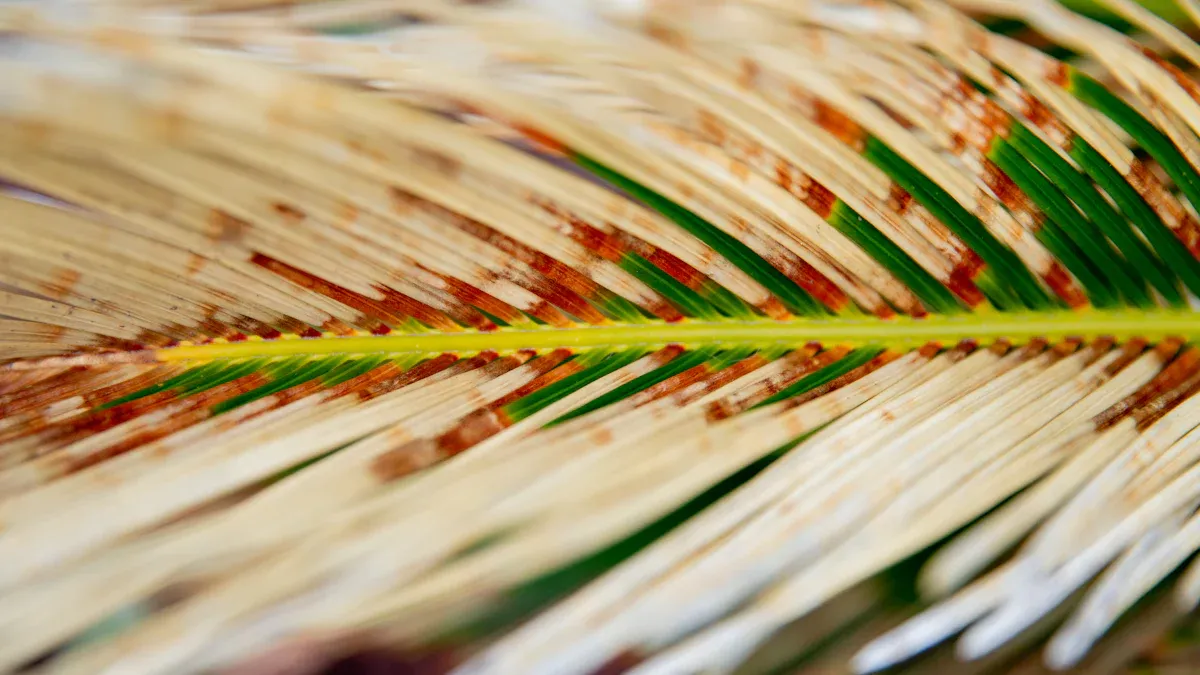
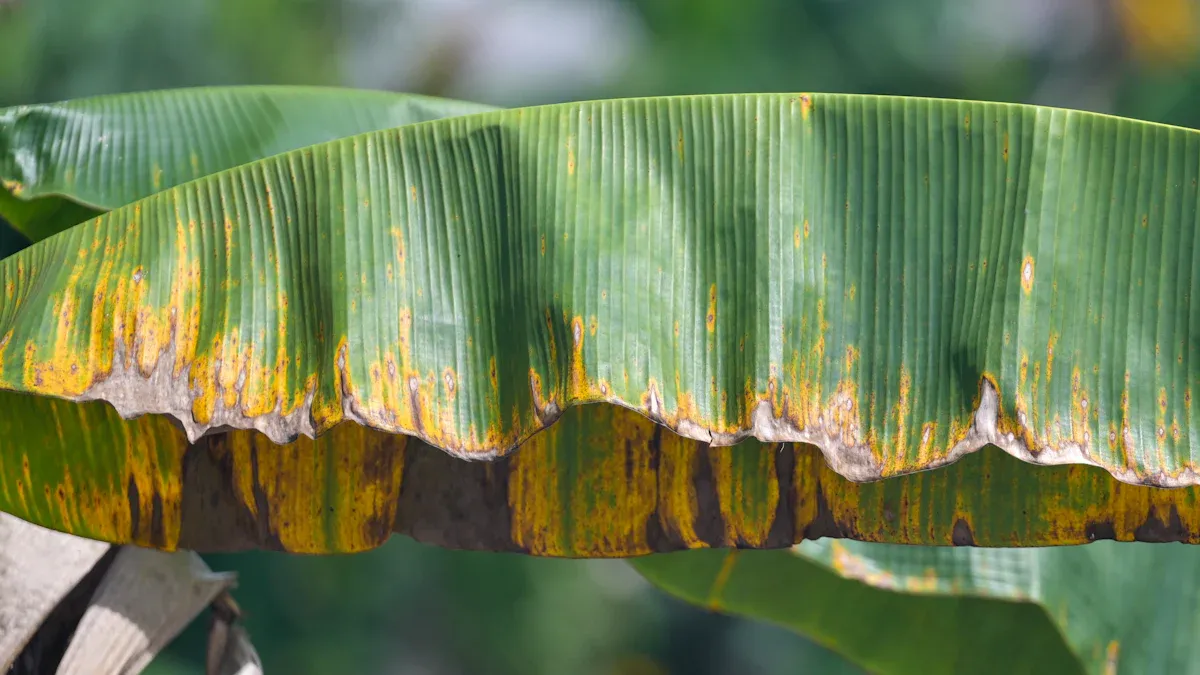
Fungal infections often lead to brown spots on your tarragon plant. One common culprit is rust disease. This condition appears as reddish-brown spores on the undersides of leaves. You may also notice yellow spots on the upper surface. The specific rust pathogen responsible for this issue is Puccinia menthae. If you see these symptoms, act quickly to prevent further damage.
Pest Infestations
Pests can also cause brown spots on your tarragon. Aphids and spider mites are two common pests that affect these plants. Aphids suck sap from the leaves, leading to discoloration and wilting. Spider mites create tiny webs and cause leaf damage, resulting in brown spots. Regularly inspect your plants for these pests. If you find any, consider using insecticidal soap or neem oil to control the infestation.
Environmental Issues
Environmental factors play a significant role in the health of your tarragon plant. Here are some key aspects to consider:
Temperature: Extreme temperatures can stress your plant. High heat may cause leaf scorching, while cold temperatures can lead to browning.
Humidity: Low humidity can dry out leaves, resulting in brown spots. Conversely, high humidity can promote fungal growth.
Soil Quality: Poor drainage and overwatering can lead to root rot. This condition often results in diseases like botrytis blight, which causes brown spots on leaves. Ensure your tarragon has well-draining soil and avoid overwatering.
To maintain healthy tarragon, adjust your care routine based on these environmental factors. For instance, allow the soil to dry between waterings. Mature plants typically need light watering every few days during summer. Container-grown tarragon requires more frequent watering but should never sit in water.
By understanding these causes, you can take proactive steps to protect your tarragon plant from brown spots.
Identifying Symptoms on Your Tarragon Plant
Visual Signs
You can identify brown spots on your tarragon plant by observing specific visual signs. Fungal infections often create distinct patterns. Look for concentric rings or dark margins around the spots. You might also see black dots within the spots, which indicate fungal bodies. Over time, these spots can merge into larger blotches. If you notice a water-soaked area around dead tissue when backlit, this could signal a fungal issue. In contrast, pests like aphids may cause brown spots without these distinct features. Regularly check your tarragon for these signs to catch problems early.
Affected Areas
Different issues affect various parts of your tarragon plant. Here’s a quick guide to help you differentiate between causes:
Cause | Symptoms | Prevention/Action |
|---|---|---|
Environmental Stress | Brown spots, yellowing leaves, wilting | Ensure well-draining soil, avoid overwatering |
Fungal Diseases | Brown spots with yellow halos (leaf spot), white powdery spots (powdery mildew) | Improve air circulation, avoid overhead watering |
Pest Infestations | Visible pests, webbing, sticky residue | Inspect plants regularly, treat infestations promptly |
By monitoring these symptoms, you can maintain your tarragon’s health. Regular checks will help you catch any issues before they escalate. Remember, healthy tarragon plants thrive with proper care and attention.
Effective Tarragon Care Solutions
Pest Control Methods
To manage pests effectively on your tarragon plant, consider using organic methods. These methods are safe for both your plants and the environment. Here are some effective options:
Neem oil: This natural pesticide and fungicide promotes plant health while deterring pests.
Baking soda: Mix it with water to create a mild fungicide that combats fungal issues.
Garlic spray: A homemade remedy that helps deter pests and fungal infections.
Regularly inspect your plants for signs of pests. If you notice any, act quickly to apply these treatments. Integrated pest management practices can also help maintain long-term health. Focus on prevention by sourcing clean plant material and conducting thorough inspections. Monitor your plants regularly to detect pest populations early. Use a combination of cultural, biological, and mechanical methods to suppress outbreaks.
Disease Management
Managing diseases is crucial for keeping your tarragon healthy. Here are some effective strategies:
Remove and burn infected plants to prevent the spread of disease.
Increase spacing between plants to enhance airflow and help leaves dry faster.
Implement a one-year crop rotation to avoid planting in the same location consecutively.
Use proper tillage practices to manage disease.
Cover soil with black plastic mulch or landscape fabric to reduce disease risk.
Utilize drip irrigation or soaker hoses instead of overhead watering to minimize moisture on leaves.
Apply copper fungicides to help manage diseases effectively.
Opt for disease-free and disease-resistant plant varieties.
By following these strategies, you can significantly reduce the risk of brown spots caused by diseases on your tarragon.
Environmental Adjustments
Adjusting the environment around your tarragon can prevent brown spots and promote healthy growth. Here are some recommendations:
Factor | Recommendation |
|---|---|
Temperature | Maintain a stable temperature. Use heaters in colder climates to avoid stress on tarragon. |
Humidity | Keep humidity slightly high but avoid excess. Ensure good air circulation to prevent moisture buildup. |
Lighting | Provide 14-16 hours of light daily. Use full-spectrum LED lights if natural sunlight is insufficient. |
Additionally, consider these preventive measures for future growing seasons:
Preventive Measure | Description |
|---|---|
Watering | Only water once the upper inches of soil have dried out. Avoid watering in rainy or humid seasons. |
Soil Management | Amend heavy soils with sand, peat moss, compost, vermiculite, or perlite. Aerate the soil regularly. |
Container Choice | Choose a terra cotta container with a large drainage hole to prevent waterlogging. |
Air Circulation | Space plants farther apart and improve air circulation with pruning. Avoid overhead sprinkler irrigation. |
Crop Debris | Remove all crop debris in the fall and prune away diseased parts, disposing of them properly. |
Disease Control | Control powdery and downy mildew using similar methods, optionally spraying with a diluted neem solution. |
By implementing these environmental adjustments, you can create a healthier growing environment for your tarragon plant.
To prevent and address brown spots on your tarragon, prioritize regular monitoring. Early detection of brown spots and pests allows you to take prompt action. Isolate affected plants to stop disease spread. With proper care, you can maintain a healthy tarragon plant and enjoy its flavorful benefits.
FAQ
What should I do if my tarragon has brown spots?
Inspect your plant for pests or diseases. Adjust watering and ensure proper sunlight exposure. Remove affected leaves to promote healthy growth.
How can I prevent brown spots on my tarragon?
Maintain well-draining soil, avoid overwatering, and ensure good air circulation. Regularly check for pests and diseases to catch issues early.
Is it normal for tarragon leaves to turn brown?
Some browning can occur due to environmental stress or aging. However, persistent brown spots may indicate a problem that needs addressing.