
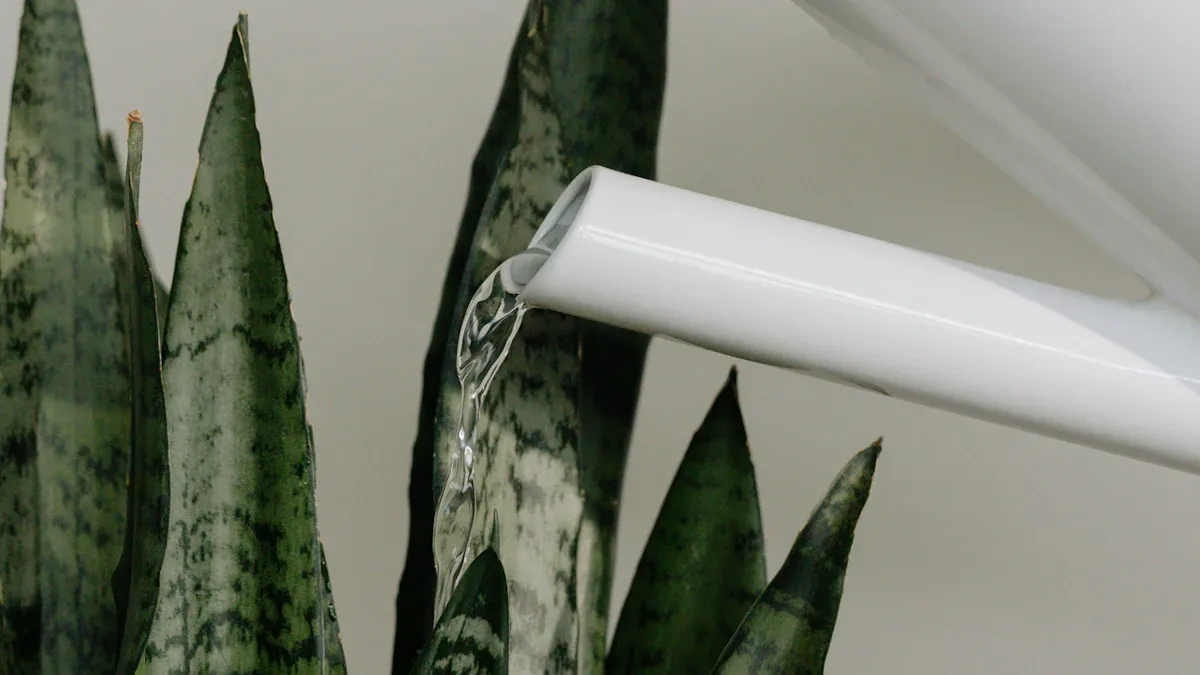
The Cylindrical Snake Plant is a stunning choice for any indoor garden. With its unique shape and striking green color, it adds a modern touch to your space. Plus, propagating this plant is incredibly easy! You can propagate Cylindrical Snake Plant through methods like leaf cuttings or rhizome cuttings. Not only will you enjoy the process, but you’ll also get new plants to share with friends!
Key Takeaways
Propagating Cylindrical Snake Plants is easy and rewarding. You can use methods like leaf cuttings or division to grow new plants.
Gather the right materials before starting. Use sharp tools, well-draining soil, and healthy plant sections for the best results.
Monitor your cuttings closely. Check for roots and watch for pests to ensure your new plants thrive.
Propagation Materials

When you decide to propagate your Cylindrical Snake Plant, having the right materials makes the process smoother. Here’s what you’ll need:
Tools and Supplies
Sharp Knife or Scissors: Use a clean, sharp knife or scissors to make precise cuts. This helps prevent damage to the plant.
Potting Soil: Choose a well-draining potting mix. A cactus or succulent mix works great.
Containers: You’ll need pots or containers for your new plant sections. Make sure they have drainage holes.
Water: Keep some water handy for your cuttings, especially if you’re using the leaf cutting method.
Rooting Hormone (optional): While not necessary, rooting hormone can help stimulate root growth.
Healthy Plant Sections
Choosing healthy sections of your plant is crucial for successful propagation. Look for vibrant, green leaves without any signs of disease or damage. If you’re using leaf cuttings, cut a healthy leaf into 3-4 inch sections. For division, separate the plant’s rhizomes carefully during repotting. Each division should have roots and a few leaves. Healthy sections will give you the best chance to propagate Cylindrical Snake Plant successfully.
By gathering these materials and selecting healthy plant sections, you set yourself up for a rewarding propagation experience. Happy planting!
Methods to Propagate Cylindrical Snake Plant
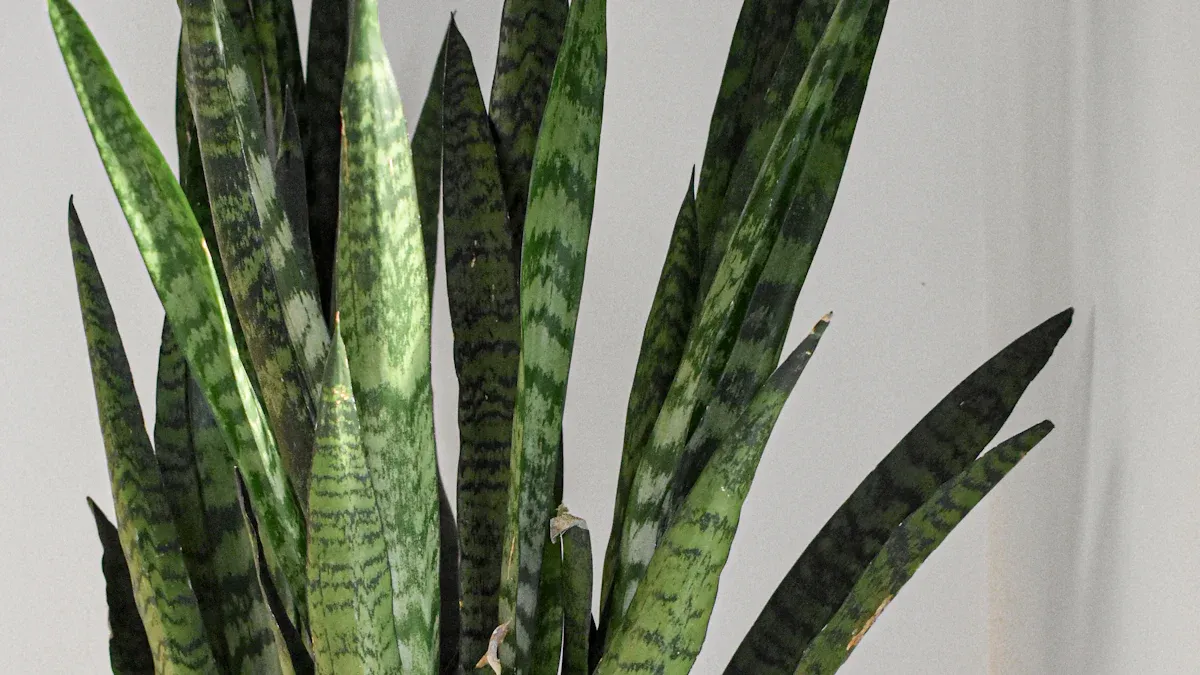
When you want to propagate your Cylindrical Snake Plant, you have three main methods to choose from: leaf cuttings, division, and rhizome cuttings. Each method has its own advantages, so let’s dive into the details!
Leaf Cuttings
Leaf cuttings are a popular choice for many plant lovers. Here’s how you can do it:
Select a Healthy Leaf: Choose a vibrant leaf from your plant. Make sure it’s free from any damage or disease.
Cut the Leaf: Use a sharp knife or scissors to cut the leaf into 3-4 inch sections. You can make a straight cut for simplicity.
Let It Callous: Allow the cut ends to dry for 1-2 days. This helps prevent rot when you plant them.
Plant the Cuttings: Place the cut ends into a well-draining potting mix. Water lightly and keep the soil moist but not soggy.
Provide Indirect Light: Place the pot in a warm spot with indirect sunlight. This encourages growth.
Tip: If you want to increase your success rate, consider using a rooting hormone on the cut ends before planting. This can help stimulate root growth.
Division
Division is often the easiest method, especially for mature plants. Here’s how to do it effectively:
Remove the Plant: Gently take your plant out of its pot. Shake off the excess soil to expose the roots.
Identify Natural Divisions: Look for areas where the rhizomes can be separated. These are the underground stems that help the plant grow.
Cut the Rhizomes: Using a clean, sharp knife, cut the rhizome, ensuring each section has roots and at least one healthy leaf.
Let It Dry: Allow the cut areas to dry for 1-2 days to form a callus. This step is crucial for preventing rot.
Plant Each Division: Place each division in a pot with well-draining soil. Water lightly and wait about two weeks before watering again.
Note: Propagation by division works best when the plant has filled its pot with growth. Ensuring both divisions have roots increases the chances of success.
Rhizome Cuttings
Rhizome cuttings are another effective way to propagate your Cylindrical Snake Plant. Here’s how to do it:
Uproot the Stock Plant: Carefully remove your plant from its pot and inspect the base.
Locate the Rhizomes: Look for creamy-white rhizomes near the root system. They resemble little ginger nubs.
Slice the Rhizome: Use sterile tools to slice the rhizome cleanly from the base.
Dry the Cuttings: Let the cut pieces dry for 1-2 days to prevent rot.
Plant in Soil: Place the rhizome in a container with soil and position it in a sunny spot with indirect light.
Tip: This method can yield great results, especially if you ensure the rhizome has roots before planting.
By choosing the right method for your situation, you can successfully propagate your Cylindrical Snake Plant. Each technique offers a unique way to expand your plant collection and enjoy the satisfaction of growing new plants.
Care Tips During Propagation
When you propagate your Cylindrical Snake Plant, proper care is essential for success. Here are some tips on watering, light, and monitoring growth to help you along the way.
Watering and Light
Watering and light play crucial roles in the propagation process. Here’s what you need to know:
Watering:
Keep the soil slightly moist but not soggy. Overwatering can lead to rot, especially for cuttings.
Water only when the top inch of soil feels dry. This helps prevent excess moisture around the roots.
Light:
Your Cylindrical Snake Plant thrives in bright light.
For optimal propagation, place your cuttings in bright, indirect light. This encourages healthy growth without burning the leaves.
While the plant can survive in low light, it won’t thrive as well. So, aim for that bright spot!
Tip: If you notice the leaves turning yellow, it might be a sign of too much water or not enough light. Adjust accordingly!
Monitoring Growth
As your cuttings begin to root, monitoring their growth is vital. Here’s how to keep an eye on your new plants:
Check for Roots:
After a few weeks, gently tug on the cuttings. If you feel resistance, roots are forming!
You can also look for new growth, which indicates that your cuttings are establishing themselves.
Watch for Pests:
Common pests like spider mites and mealybugs can affect your plants during propagation.
Regularly inspect your plants for any signs of infestation. Wipe the leaves with a damp cloth to remove pests, and consider using natural insect sprays if needed.
Humidity Levels:
Maintaining slightly higher humidity levels, ideally between 60-70%, can help encourage root development.
While your plant can thrive in average household humidity levels of 30-50%, higher humidity during propagation promotes faster root growth.
By following these care tips, you’ll create an ideal environment for your Cylindrical Snake Plant cuttings to thrive. Enjoy the process and watch your new plants flourish!
In summary, propagating your Cylindrical Snake Plant is a rewarding journey. You can choose methods like leaf cuttings or division to expand your plant collection. 🌱 Not only does this practice reduce stress and promote emotional stability, but it also fosters a sustainable gardening community. So, get started and enjoy the process!
FAQ
How long does it take for cuttings to root?
Cuttings usually take 2 to 6 weeks to root, depending on conditions like light and moisture.
Can I propagate my Cylindrical Snake Plant in water?
Yes, you can propagate in water, but ensure you change the water regularly to prevent rot.
What should I do if my cuttings are not growing?
Check for adequate light, moisture, and ensure the cuttings are healthy. Adjust care as needed.