Timing plays a crucial role in harvesting the mugwort plant. The best yields occur when you harvest just before the plant flowers, typically between June and July. During this period, unopened flowers are your primary target. You should also consider other factors, such as the time of day. Harvesting in the morning, after the dew has dried, maximizes the quality of the leaves. Research shows that proper timing significantly impacts soil health and plant growth, making it essential for optimal harvesting of the mugwort plant.
Key Takeaways
Harvest mugwort just before it flowers, typically between June and July, for the best flavor and potency.
Use sharp scissors or pruning shears to cut the stems cleanly, and always leave part of the plant intact to promote new growth.
Dry mugwort by air drying, oven drying, or microwaving to preserve its active compounds and flavor.
Store dried mugwort in airtight glass jars in a cool, dark, and dry place to maintain its quality for up to a year.
Best Time to Harvest
Seasonal Considerations
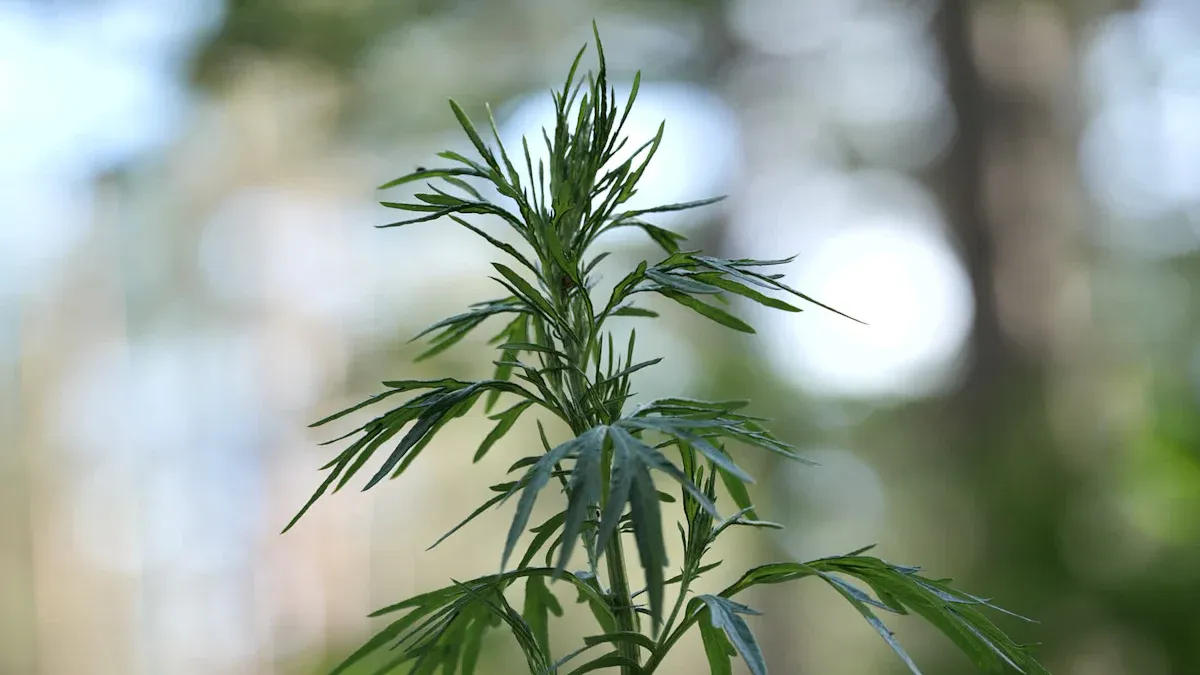
When you plan to harvest mugwort, consider the seasons carefully. The optimal time for harvesting mugwort is just before it flowers. This typically occurs between June and July. During this period, the plant is at its peak in terms of flavor and potency. Here are some key points to remember:
Roots: Harvest mugwort roots in the fall. They grow larger during the summer, making them more robust and flavorful.
Unopened Flowers: Focus on harvesting unopened flowers from June to July. This is when they are most beneficial.
Leaves: You can start harvesting leaves in August. At this time, the plant is still vibrant and full of essential oils.
Signs of Readiness
Knowing when your mugwort is ready for harvest is crucial. Look for these signs to determine the right moment:
Flowering Stage: The best time to harvest is when the plant begins to flower. This usually happens from mid-summer to early autumn.
Leaf Color: Healthy leaves should be a rich green color. If they start to yellow, it may indicate that the plant is past its prime.
Aroma: A strong, pleasant aroma is a good indicator that your mugwort is ready. The scent intensifies as the plant matures.
In various cultures, traditional harvesting times also play a role. For example, in Chinese culture, mugwort is often harvested in early spring during the Qing Ming holiday. This time is significant for honoring ancestors and preparing traditional foods. The tender, baby-green mugwort harvested then is prized for its flavor and color.
By paying attention to these seasonal cues and signs of readiness, you can ensure that you harvest mugwort at the perfect time for optimal yields.
Techniques for Harvesting Mugwort
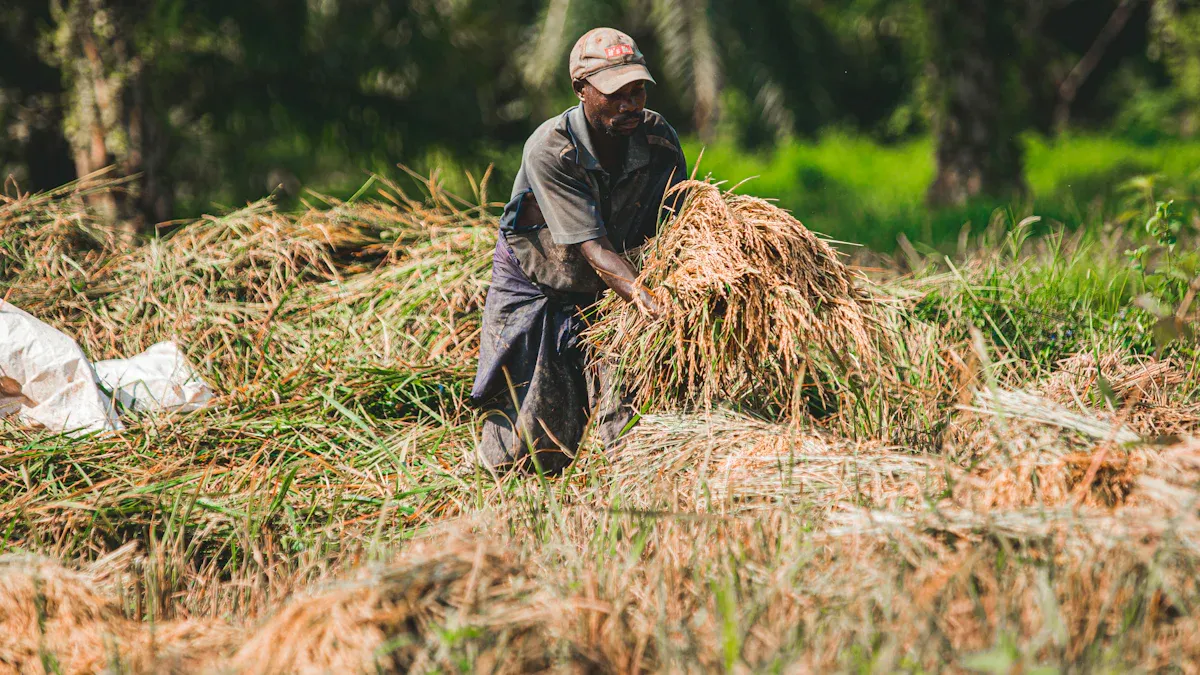
Tools Needed
Before you start harvesting mugwort, gather the right tools. Having the proper equipment ensures an efficient and effective process. Here’s a list of essential tools you will need:
Sharp Scissors or Pruning Shears: These tools help you cut the stems cleanly without damaging the plant.
Garden Gloves: Protect your hands from any irritants and thorns.
Basket or Cloth Bag: Use this to collect the harvested mugwort. A breathable container helps prevent moisture buildup.
Labeling Tags: If you plan to store different varieties, labeling helps keep track of them.
Step-by-Step Methods
Now that you have your tools ready, follow these steps for harvesting mugwort effectively:
Choose the Right Time: Harvest mugwort in the morning after the dew has dried. This timing helps preserve the essential oils and flavor.
Inspect the Plant: Look for healthy plants with rich green leaves. Avoid any that show signs of yellowing or damage.
Cut the Stems: Using your scissors or shears, cut the stems just above a leaf node. This encourages new growth and helps the plant thrive.
Collect Carefully: Place the cut stems in your basket or bag gently. Avoid crushing the leaves to maintain their quality.
Leave Some Behind: Always leave enough of the plant intact. This practice ensures that the mugwort can continue to grow and flourish.
Tip: Be mindful of common mistakes during harvesting. Ensure you have correctly identified the plant before harvesting. Avoid collecting in protected areas or on private property. Do not harvest near busy roadsides or areas with questionable soil or water quality. Harvest on a dry and sunny day, and only take what you need.
Challenges and Solutions
While harvesting mugwort, you may face some challenges. Here are a few common issues and how to mitigate them:
Control of Mugwort: Mugwort can be difficult to control. Avoid tilling, as severed rhizomes can resprout. Instead, use a combination of smothering, physical removal, and careful herbicide application.
Seed Dispersal: To prevent seed dispersal, mow from early summer to mid-September. Hand-pull very young plants in spring or early summer to control their spread.
Quality Impact: Mechanical harvesting can affect the quality of mugwort. The harvesting force must exceed the adhesion strength of the leaves for effective harvesting. Broken leaves and debris can negatively impact the quality during processing.
By following these techniques, you can successfully harvest mugwort while ensuring optimal yields and maintaining the plant’s health.
Drying and Storing Mugwort
Drying Techniques
Drying mugwort effectively preserves its active compounds and enhances its flavor. Here are some popular methods you can use:
Air Drying: This method is simple and requires no special equipment. Gather 5 to 8 stems and tie them into a bundle. Hang the bundle in a dark, warm place (70° to 80°F). It typically takes 2 to 4 weeks for the herbs to dry completely.
Oven Drying: If you’re short on time, you can use your oven. Place the leaves or stems on a cookie sheet. Warm them at no more than 180°F for 3 to 4 hours, leaving the oven door slightly open to allow moisture to escape.
Microwave Drying: For a quick option, microwave the mugwort for 1 to 3 minutes on high. Check the progress at intervals to avoid burning.
Spray Drying: This technique encapsulates active compounds, protecting them from temperature and light exposure. It is particularly effective for preserving the quality of mugwort’s active ingredients.
Storage Tips
Once your mugwort is dried, proper storage is essential to maintain its quality. Follow these tips to keep your herbs fresh:
#1 Store in a dark place
Keep your dried mugwort in a dark cupboard. This prevents sun-related degradation and helps maintain potency.
#2 Keep them in a cool place
Avoid fluctuating temperatures. Store your herbs in a consistently cool location to preserve their scent and effectiveness.
#3 Keep them in a dry place
Ensure your storage area is dry. Moisture can lead to spoilage and loss of quality.
You can store dried mugwort in airtight glass jars. This helps prevent moisture and contamination. Place the jars in a cabinet or on a dark shelf, away from direct sunlight. Dried mugwort can last up to a year before losing potency, while dried roots can last up to two years if stored properly.
Storage Condition | Description |
|---|---|
Cool | Store in a location that is consistently cool to prevent degradation of potency and scent. |
Dark | Keep herbs in a dark place to avoid damage from sunlight and radiation. |
Dry | Ensure the storage area is dry to prevent moisture-related spoilage. |
By following these drying and storage techniques, you can enjoy the benefits of mugwort for months to come.
In summary, successful mugwort harvesting hinges on timing and technique. You should aim to harvest in late summer or early autumn when the plant reaches its peak. Use clean scissors or pruning shears to cut the upper third of the stalks, focusing on unopened flower buds. Remember to leave part of the plant intact for continued growth. Following these best practices not only enhances the quality of your mugwort but also ensures optimal yields. Enjoy the benefits of this versatile herb in your teas and culinary creations!
FAQ
What is mugwort used for?
Mugwort has various uses, including culinary applications, herbal medicine, and as a natural remedy for digestive issues. You can also use it in teas and as a flavoring in dishes.
When is the best time to harvest mugwort?
The best time to harvest mugwort is just before it flowers, typically between June and July. This timing ensures you get the most flavorful and potent leaves.
How should I store dried mugwort?
Store dried mugwort in airtight glass jars in a cool, dark, and dry place. This helps maintain its potency and flavor for up to a year.
Can I use fresh mugwort in cooking?
Yes! Fresh mugwort adds a unique flavor to dishes. You can use it in soups, stews, or as a seasoning for meats and vegetables.
Is mugwort safe to consume?
Mugwort is generally safe for most people when used in moderation. However, consult a healthcare professional if you are pregnant, nursing, or have allergies.