Plant reproduction relies heavily on the role of insects. These tiny creatures facilitate pollination, which is crucial for many flowering plants. Did you know that approximately 82% of flowering plant species depend on insects for reproduction? Insects not only help produce seeds but also maintain the balance within ecosystems. However, with insect populations declining by about 45% in recent decades, the future of our food supply and plant diversity may be at risk.
Key Takeaways
Insects are essential for pollination, with about 82% of flowering plants relying on them for reproduction.
Bees are the most effective pollinators, responsible for 90% of the world’s pollination, significantly impacting food crops and the economy.
The decline of insect populations threatens plant diversity and food supply, making it crucial to support pollinator conservation efforts.
Pollination’s Importance
How Pollination Works
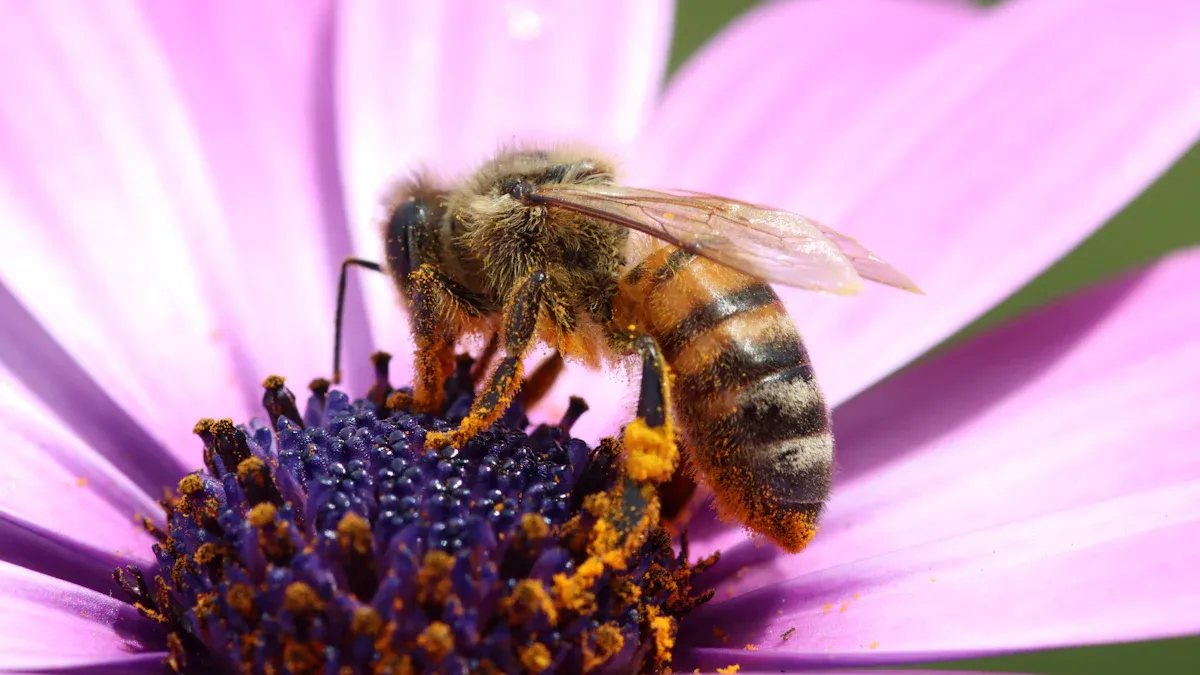
Pollination is a vital process for plant reproduction. It involves transferring pollen from the male part of a flower, called the anther, to the female part, known as the stigma. Here are the main steps in the pollination process facilitated by insects:
A flower anther produces pollen.
A pollinator visits a flower.
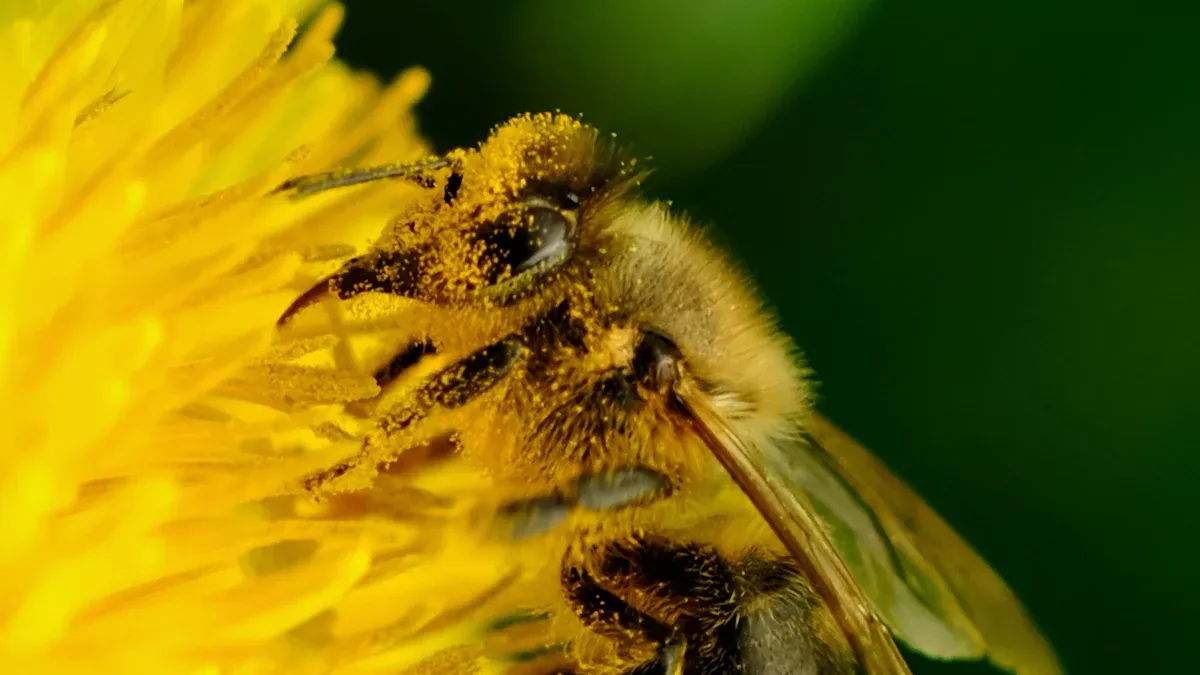
The pollen from the anther sticks to the body of the pollinator.
The pollinator visits another flower.
The pollen on the pollinator transfers to the flower stigma.
Insects, such as bees and butterflies, play a crucial role in this process. As they search for nectar, they inadvertently carry pollen from one flower to another. This behavior is essential for the reproduction of many plants. Approximately 65% of all flowering plants require insects for pollination. Pollinators exhibit flower constancy, which means they tend to visit the same type of flower repeatedly. This increases the chances of successful pollen transfer between flowers of the same species.
Benefits to Ecosystems and Agriculture
The benefits of pollination extend beyond individual plants. Pollinators contribute significantly to ecosystems and agriculture. Here are some key points to consider:
Approximately 35% of global food production relies on insect pollinators.
Nearly 75% of crops that yield fruits and seeds for human consumption depend on pollinators to some extent.
Insect pollination enhances biodiversity and ecosystem stability. A high level of biodiversity ensures adequate pollination services for crops, which is crucial for agricultural productivity.
The economic impact of insect pollination is substantial. Around 1,500 crop species worldwide rely on these insects, highlighting the importance of this mutualistic relationship for global food security. Insects not only assist in the dispersal of pollen and seeds but also provide indirect defense against herbivory, enhancing plant survival.
Role of Insects as Pollinators
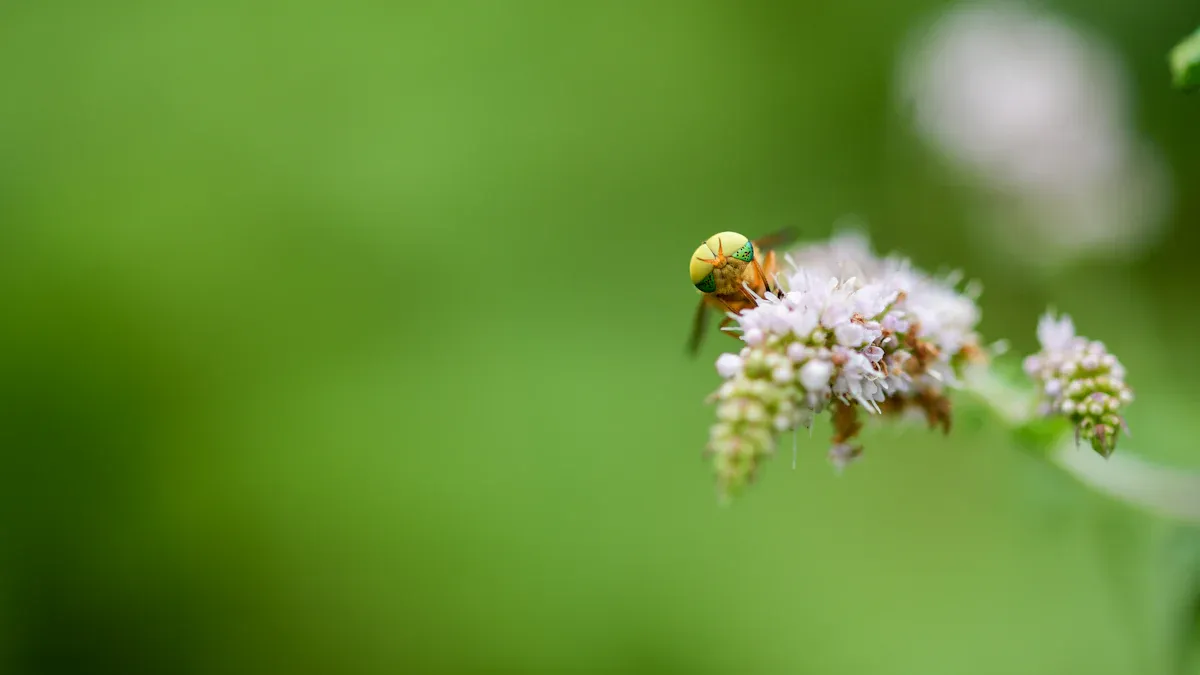
Insects play a crucial role in the pollination process, which is essential for the reproduction of many plants. Among these insects, bees, butterflies, and other pollinators stand out due to their unique behaviors and ecological contributions.
Bees
Bees are the most effective pollinators, responsible for about 90% of the world’s pollination. They collect nectar from flowers using their long snouts, which also leads to the collection of pollen on their bodies. During their foraging, bees transfer pollen from the male part of one flower to the female part of another, facilitating fertilization. A single bee can pollinate up to 100 flowers in one flight, focusing on one plant species at a time. This behavior enhances successful pollination and increases genetic diversity among plants.
Here are some key facts about bees and their role in pollination:
Economic Impact: Bees contribute approximately $34 billion annually to the U.S. economy through their pollination services.
Crop Dependence: Over 75% of the world’s leading food crops depend on bees for pollination. Crops like almonds, apples, and berries benefit significantly from their efforts.
Pollinator Lifecycles: Understanding the lifecycles of bees helps in appreciating their role in maintaining healthy ecosystems.
Butterflies
Butterflies also contribute to pollination, although they are less efficient than bees. They play a vital role in pollinating many flowering plants, especially in wild environments and managed lands like parks and gardens. Certain flowers, such as some orchids and the peacock flower (Caesalpinia pulcherrima), rely entirely on butterflies for their pollination.
Here are some interesting points about butterflies:
Pollination Efficiency: While butterflies are not as effective as bees, they still significantly contribute to the pollination of crops. For example, studies show that butterflies were responsible for over 50% of floral visits to macadamia flowers in NE Brazil.
Morphology Influence: The size and shape of butterflies affect their pollination efficiency. Butterflies with proboscises that match the nectar tube depth of flowers can extract more nectar, enhancing their foraging success.
Other Pollinating Insects
In addition to bees and butterflies, other insects like beetles and flies also play important roles in pollination.
Beetles: These insects are responsible for pollinating a large percentage of flowering plants. They prefer ancient plant species and can pollinate plants like magnolias and spicebush.
Flies: Flies, including hoverflies and bee flies, are essential for specific fruits and vegetables. They are particularly important for crops like apples, strawberries, and peppers.
Insect Species | Pollination Efficiency | Notable Facts |
|---|---|---|
Bees | 90% of world’s pollination | Responsible for pollinating 71 out of 100 crop species that provide 90% of food supplies. |
Butterflies | Less efficient than bees | Critical in transferring pollen among crops like cilantro and cabbage. |
Beetles | Pollinate 88% of flowering plants | Numerous and vital for a wide range of plants. |
Flies | Main pollinators for certain plants | Important for apples, strawberries, and peppers. |
The role of insects in pollination is vital for the reproductive success of many plants. Without these pollinators, many flowering plants would struggle to reproduce, leading to reduced genetic diversity and potential declines in plant populations.
Ecological Impact of Insect Decline
Consequences for Plant Diversity
The decline of insect populations significantly impacts plant diversity. When pollinator populations decrease, many plants struggle to reproduce. A study from Princeton highlights that reduced pollinator diversity can lead to increased competition among flowering plants. This competition often disadvantages rarer species, resulting in fewer plant varieties.
Research shows that a 75% reduction in invertebrate density correlates with a distinct shift in plant species abundance. For example, the abundance of Trifolium pratense has notably decreased. Additionally, Lotus corniculatus shows a later peak flowering time as invertebrate biomass declines. These changes disrupt the timing and availability of food resources for various animals, affecting entire ecosystems.
Finding | Description |
|---|---|
Invertebrate Decline | A 75% reduction in invertebrate density was tested against a control group. |
Plant Species Abundance | A distinct shift in plant species abundance was observed. |
Flowering Phenology | Lotus corniculatus exhibited a later peak flowering time. |
Effects on Food Supply
Insect decline also threatens our food supply. Pollination enhances crop yield by 18% to 71%, depending on the crop type. Without sufficient insect pollinators, you may notice a decrease in crop diversity and availability. Many essential nutrient-providing crops rely heavily on insect pollination.
If pollinators were to go extinct globally, the average crop price could rise by approximately 187%. This increase would worsen food insecurity, especially in areas already facing shortages. The decline in pollinators affects not only the quantity of crop production but also the nutritional quality of food.
Insect pollination improves the quality of yields, particularly in crops like oilseed rape and strawberries.
A reduction in pollinator populations can lead to decreased availability of fruits and vegetables, impacting your diet.
Understanding these consequences emphasizes the importance of protecting insect populations for both plant diversity and food security.
Insects play a vital role in the plant reproductive cycle. They support biodiversity and contribute to food production, with one in three bites of food relying on their pollination. You can help by participating in conservation efforts, such as planting native flowers and avoiding pesticides. Every action counts!
FAQ
What are pollinators?
Pollinators are insects that transfer pollen between flowers, aiding in plant reproduction. They play a crucial role in maintaining healthy ecosystems.
How can I create a pollinator-friendly habitat?
You can create a pollinator-friendly habitat by planting native flowers, providing water sources, and avoiding pesticides. This supports pollination efforts and benefits local ecosystems.
Why is insect decline a concern?
Insect decline threatens plant diversity and food supply. Without pollinators, many plants struggle to reproduce, impacting ecosystems and agricultural productivity.