
Money plants have gained immense popularity as houseplants due to their attractive foliage and air-purifying qualities. However, they often face challenges that can affect their health. Common money plant diseases, such as bacterial wilt and manganese toxicity, can lead to serious issues if left unaddressed. You must identify these problems early to ensure your plant thrives. Recognizing the signs of distress and treating them promptly can make all the difference in maintaining a healthy, vibrant money plant.
Key Takeaways
Look for yellowing leaves as a sign of overwatering or nutrient deficiency. Adjust your watering habits and use balanced fertilizer to restore health.
Wilting and drooping leaves often indicate environmental stress. Ensure your money plant receives adequate light and stable temperatures to thrive.
Identify brown spots on leaves to distinguish between bacterial and fungal infections. Remove affected leaves and improve air circulation to prevent disease spread.
Regularly check for pests like aphids and mealybugs. Treat infestations promptly with insecticidal soap or neem oil to keep your plant healthy.
Monitor your money plant frequently to catch early signs of disease. This proactive approach helps maintain a vibrant and resilient plant.
Identifying Money Plant Diseases
Yellowing Leaves
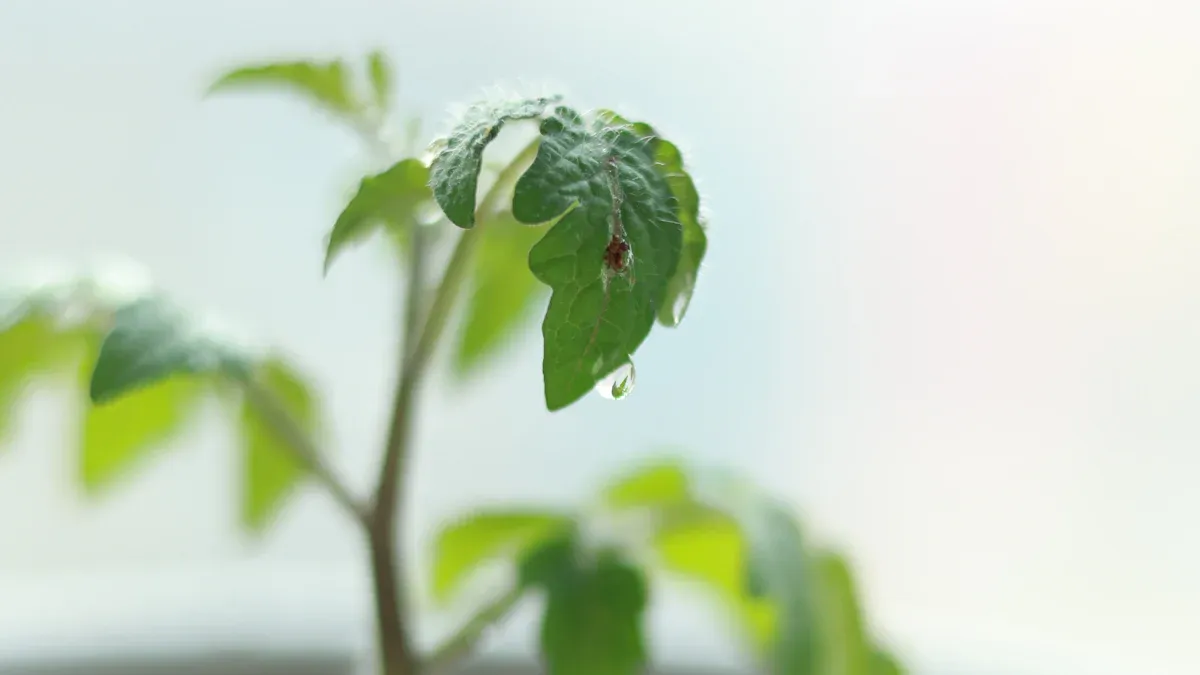
When you notice yellowing leaves on your money plant, it can signal several issues. This symptom often indicates a nutrient deficiency or improper watering. Here are some visual signs of unhealthiness you might observe:
Yellowing leaves
Browning leaves
Drooping leaves with brown edges
Shedding leaves
If you see these signs, check your plant’s care routine. Overwatering can lead to root rot, which causes leaves to yellow. Alternatively, a lack of essential nutrients can also result in leaf discoloration. Make sure to provide balanced fertilizer to keep your plant healthy.
Wilting and Drooping
Wilting and drooping leaves can be distressing to see. These symptoms often arise from environmental factors. Consider the following common causes:
Insufficient light can cause leaves to sag.
Temperature fluctuations may lead to drooping leaves due to shock.
Humidity levels that are too low or too high can result in a less-than-perky posture.
If your money plant appears wilted, assess its environment. Ensure it receives adequate light and maintain stable temperatures. Adjusting humidity levels can also help revive your plant.
Brown Spots and Leaf Drop
Brown spots and leaf drop can indicate serious problems. Differentiating between fungal and bacterial infections is crucial. Here are some signs to look for:
Bacterial infections show dark brown spots with yellow halos around them.
Fungal infections, such as Botrytis, present soft brown spots that may develop fuzzy gray growth.
You might also notice:
Bacterial leaf spots start as small dark brown to black spots with yellow tissue surrounding them.
Fungal infections can lead to soft brown spots that eventually show fuzzy gray growth.
If you identify these symptoms, act quickly. Remove affected leaves and improve air circulation around your plant. This can help prevent the spread of disease.
Common Money Tree Problems
Overwatering and Root Rot
Overwatering is one of the most common money tree problems. When you give your plant too much water, it creates a consistently saturated environment for the roots. This leads to root rot, which occurs due to a lack of oxygen. Early signs of root rot include yellowing leaves. These leaves indicate a nutrient deficiency caused by compromised roots. If your money tree is in a plastic pot, be cautious. Plastic pots can retain moisture at the bottom, increasing the risk of overwatering and root rot. To prevent this issue, always check the soil moisture before watering.
Fungal Infections
Fungal infections can also plague your money tree. These infections thrive in high humidity and poor air circulation. Common signs include discolored leaves and fuzzy growth on the plant. To combat fungal issues, ensure your plant has good airflow. You can also use fungicides if the problem persists. Remember, maintaining the right humidity level is crucial. A humidity level of 50-60% helps prevent moisture stress and fungal issues.
Pest Infestations
Pest infestations are another concern for money trees. Common pests include:
Aphids
Mealybugs
While these pests can be a nuisance, they are not typically harmful to the tree if you address them promptly. Regularly inspect your plant for signs of pests. If you notice any, treat them with insecticidal soap or neem oil. Keeping your plant healthy and stress-free will help it resist pest infestations.
To mitigate environmental stress, maintain high humidity, provide indirect light, and keep a stable temperature. These steps will help your money tree thrive and reduce the likelihood of common problems.
Treatment for Money Plant Diseases
Solutions for Yellowing Leaves
If you notice yellowing leaves on your money plant, it’s essential to identify the cause quickly. Here are some effective solutions:
Check Watering Habits: Overwatering often leads to yellowing leaves. If the soil feels soggy, reduce watering frequency. Conversely, if the soil is dry and the leaves are crispy, you may need to water more frequently.
Nutrient Deficiency: A lack of essential nutrients can also cause yellowing. Use a balanced fertilizer to replenish nutrients. Follow the instructions on the package for the best results.
Soil and Root Examination: Inspect the roots for signs of rot. If you find mushy roots, trim them away and repot the plant in fresh, well-draining soil. This will help restore health and prevent further yellowing.
Here’s a quick reference table for common causes and treatments:
Cause | Treatment |
|---|---|
Overwatering | Reduce watering and ensure proper drainage. |
Underwatering | Water thoroughly and maintain consistent moisture. |
Nutrient Deficiency | Apply a balanced fertilizer according to package instructions. |
Remedies for Wilting and Drooping
Wilting and drooping leaves can be alarming. To revive your money plant, consider these remedies:
Adjust Watering Habits: Both overwatering and underwatering can lead to drooping leaves. Ensure you find a balance that keeps the soil moist but not soggy.
Optimize Light and Temperature: Place your plant in a location with bright, indirect light. Avoid exposing it to extreme temperature fluctuations, which can stress the plant.
Consider Repotting: If your plant is root-bound, it may need a larger pot. Check the roots and repot if necessary to give them more space to grow.
Addressing Fungal Issues
Fungal infections can severely affect your money plant’s health. Here are some organic solutions to combat these issues:
Oil-Based Fungicides: Products like Neem oil and Organocide are effective against fungal infections. Apply according to the instructions on the label.
Natural Antifungal Solutions: You can use strong chamomile tea or mix 1 teaspoon of ground cinnamon into each gallon of water. Spray this mixture on affected areas to help control fungal growth.
Improve Airflow: Space your plants evenly and prune crowded growth to enhance airflow. This reduces humidity around the leaves, making it harder for fungi to thrive.
Watering Techniques: Use a drip system for watering to keep leaves dry. Fungi thrive on wet surfaces, so keeping the foliage dry is crucial.
By following these treatments, you can effectively manage and treat common money plant diseases. Regular monitoring and prompt action will help you maintain a healthy and thriving plant.
Preventive Care for Chinese Money Plant Problems
Proper Watering Techniques
Watering plays a crucial role in the health of your Chinese money plant. You want to keep the soil consistently moist but not soggy. Here are some tips to help you with proper watering techniques:
Allow the top inch of soil to dry out between waterings.
Water approximately once a week during the growing season.
Reduce watering frequency in winter when the plant’s water uptake slows down.
Check soil moisture with your finger before adding more water.
Signs of overwatering include yellowing leaves and soft stems. Underwatering can lead to dry, brittle stems and drooping foliage. By maintaining a good drainage system, you can prevent water from pooling at the bottom of the pot. This helps avoid common Chinese money plant problems related to root rot.
Optimal Light Conditions
Your Chinese money plant thrives in bright, indirect light. While it can survive in dim conditions, insufficient light can lead to leggy growth or small leaves. To provide optimal light conditions:
Place your plant in a spot that receives bright, indirect light for 12-16 hours daily.
Avoid direct sunlight, especially near south-facing windows, as it can cause leaf burn.
Monitor for leggy growth, which indicates inadequate light.
By ensuring your plant receives suitable environmental conditions, you can promote healthy growth and reduce the risk of disease.
Regular Pest Checks
Regularly inspecting your Chinese money plant for pests is essential. Common pests include spider mites and mealybugs. Here are some preventive measures:
Quarantine new plants before introducing them to your collection.
Wipe leaves with a damp cloth to remove dust and pests.
Use insecticidal soap or neem oil to combat infestations.
Maintaining humidity levels between 40% to 60% can also help deter pests. You can achieve this by using pebble trays, humidifiers, or grouping plants together. By taking these steps, you can minimize the risk of pest-related issues and keep your plant healthy.
Regularly monitoring your money plants is essential for their health. By inspecting them often, you can spot early signs of disease. This proactive approach not only treats existing issues but also creates an optimal environment for your plants. Here are some key benefits of regular monitoring:
Identify early signs of disease.
Address problems before they escalate.
Enhance plant longevity and resilience.
Taking these steps ensures your money plants thrive and remain vibrant. Remember, a little attention goes a long way in keeping your plants healthy! 🌱
FAQ
What causes yellowing leaves on my money plant?
Yellowing leaves often result from overwatering, underwatering, or nutrient deficiencies. Check your watering habits and consider using a balanced fertilizer to restore nutrients.
How can I prevent root rot in my money plant?
To prevent root rot, ensure proper drainage and allow the top inch of soil to dry out between waterings. Always check soil moisture before watering.
What should I do if I notice pests on my money plant?
Inspect your plant regularly for pests like aphids or mealybugs. Treat infestations with insecticidal soap or neem oil to keep your plant healthy.
How often should I fertilize my money plant?
Fertilize your money plant every 4-6 weeks during the growing season. Use a balanced fertilizer and follow the package instructions for best results.
Can I save a money plant with fungal infections?
Yes, you can save a money plant with fungal infections. Remove affected leaves, improve airflow, and apply organic fungicides like neem oil to combat the issue.