
Yarrow plants thrive in full sun, which is one of the key factors for meeting Yarrow plant needs. They require at least six hours of direct sunlight each day. Sunlight plays a crucial role in their growth and flowering. Adequate light helps you enjoy vibrant blooms and healthy foliage.
Key Takeaways
Yarrow plants need at least 6 hours of direct sunlight daily to thrive and produce vibrant blooms.
Plant yarrow in well-drained soil to support healthy root development and prevent issues like root rot.
If yarrow shows signs of stress, such as weak stems or yellowing leaves, consider relocating it to a sunnier spot.
Sunlight Needs for Yarrow
Full Sun Definition
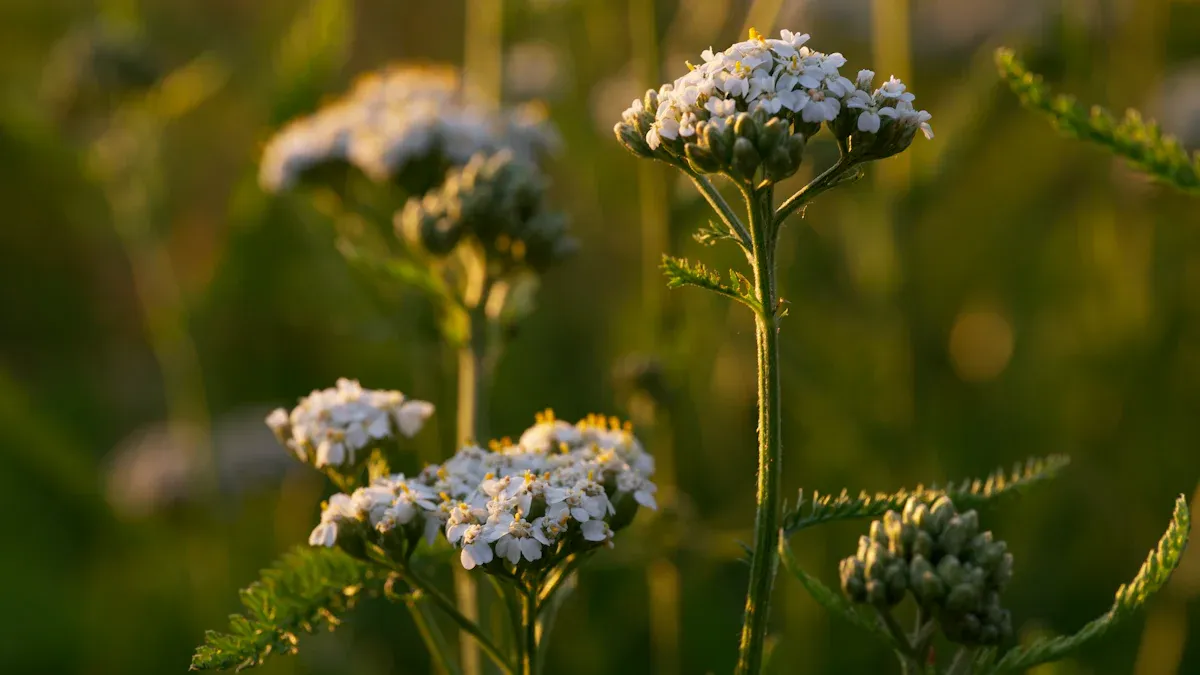
Yarrow plants require full sun to thrive. This means they need at least 6 hours of direct sunlight each day. Here are some key points about full sun requirements:
Full sun plants need a minimum of 6 hours of sunlight every day.
Yarrow will grow best in full sun, which is at least six hours of direct sunlight per day.
Achillea millefolium, commonly known as yarrow, prefers full sun conditions.
When you provide yarrow with the right amount of sunlight, you will notice more vigorous growth and abundant blooms. The sunlight helps the plant produce energy through photosynthesis, leading to healthier foliage and vibrant flowers.
Effects of Partial Shade
While yarrow can tolerate some shade, it does not perform as well in those conditions. Here’s how partial shade affects yarrow:
Yarrow can thrive in partial shade, but deep shade may inhibit blooming.
In full sun, yarrow exhibits more vigorous growth and flowering.
With some sunlight, yarrow provides both attractive foliage and flowers.
If you plant yarrow in areas with limited sunlight, you may see leggy growth and fewer blooms. The plant may stretch towards the light, resulting in a less compact appearance. To ensure your yarrow plants flourish, aim for a location that receives ample sunlight throughout the day.
Ideal Planting Conditions for Yarrow
Soil Type
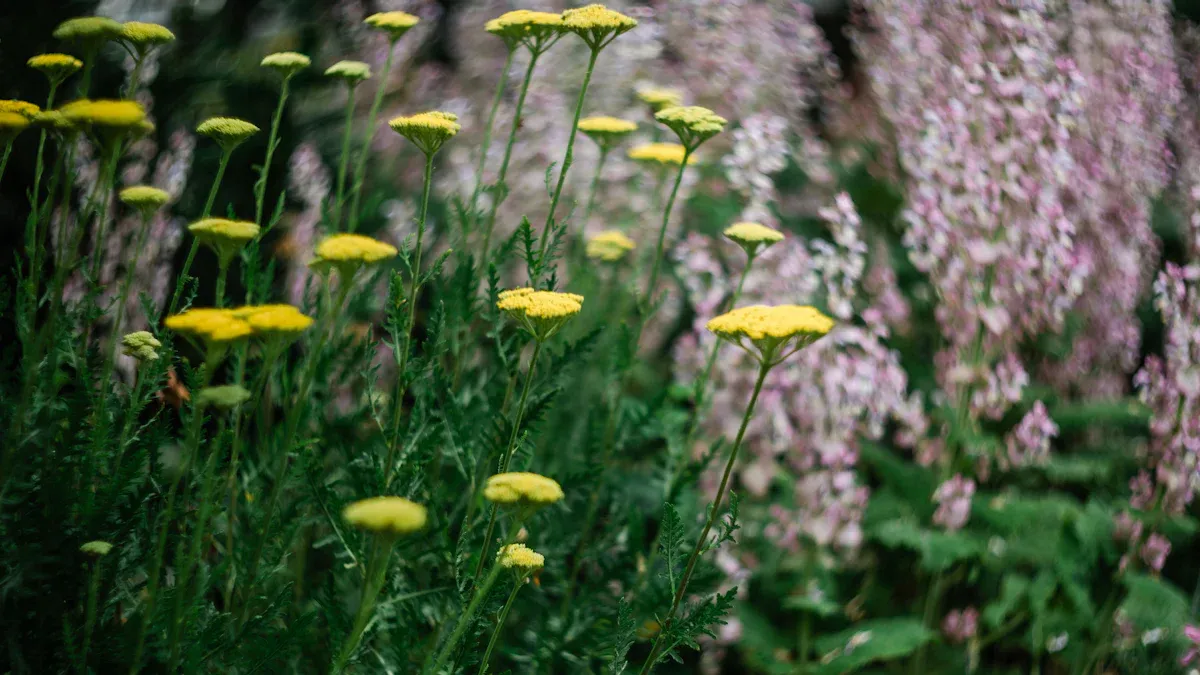
Yarrow thrives in well-drained soils. You should aim for soil that is rich in trace minerals and has a good structure. This type of soil allows oxygen and water to reach the roots effectively. Here are some important points about soil for yarrow:
Yarrow grows well in sandy, loamy, or rocky soils.
The presence of vital micronutrients is essential for optimal growth.
Well-structured soil supports healthy root development.
According to agricultural research, the chemical and physical composition of soil significantly influences yarrow’s health. Soils that are nutrient-poor but well-drained can actually benefit yarrow. In fact, yarrow’s lifespan improves in dry conditions, as wet areas can lead to root rot and powdery mildew.
Location Selection
Choosing the right location for your yarrow is crucial. You should plant yarrow in an area that receives full sun for at least 6 to 8 hours daily. This exposure promotes compact growth and abundant flowers. Here are some tips for selecting the best location:
Look for spots that are free from shade, especially during peak sunlight hours.
Avoid areas with poor drainage, as yarrow does not thrive in wet conditions.
Consider planting yarrow near rocks or pathways, where it can soak up sunlight and drain well.
When you provide yarrow with the right conditions, you will enjoy vibrant blooms and lush yarrow foliage. Remember, yarrow may become leggy and less attractive if it does not receive enough sunlight.
Care Tips for Yarrow Plant Needs
Watering Requirements
Yarrow plants have specific watering needs based on their sunlight exposure. When you plant yarrow, consider the following watering schedule:
Sunlight Condition | Watering Frequency |
|---|---|
Newly planted | At least 1 inch of water per week, spread over 2-3 sessions |
Established | Once a week or longer, depending on rainfall |
Pot grown | Daily monitoring; allow top 1-2 inches of soil to dry out before watering |
In full sun, yarrow becomes drought tolerant. This means you may not need to water as frequently. With adequate sunlight, yarrow can thrive with less water. However, if you notice signs of wilting, adjust your watering schedule accordingly.
Fertilization Tips
Fertilizing yarrow correctly can enhance its growth and blooming. Here are some effective strategies:
Fertilization Strategy | Timing | Notes |
|---|---|---|
Granular, slow-release fertilizer | Early spring | Apply once a year when foliage emerges. |
Organic compost | Fall | Acts as a mulch and adds nutrients. |
Liquid fertilizer (diluted) | As needed | Follow manufacturer’s recommendations to avoid over-fertilization. |
Using these fertilization methods will help your yarrow plants flourish. Remember, yarrow prefers well-drained soil. Over-fertilizing can lead to leggy growth, especially in less sunny conditions.
By following these care tips, you can ensure your yarrow plants remain healthy and vibrant throughout the growing season.
Issues from Insufficient Sunlight for Yarrow
Signs of Stress
When yarrow plants do not receive enough sunlight, they show several signs of stress. You can easily identify these indicators to determine if your yarrow is struggling. Here are some common signs:
Weak Stems: Insufficient sunlight leads to weak and leggy growth. The stems may not support the plant well, causing it to flop over.
Reduced Flowering: If your yarrow is not blooming well, it may be due to inadequate sunlight. Yarrow requires 6 to 8 hours of direct sunlight daily for optimal growth.
Leggy Growth: When yarrow stretches towards the light, it can result in elongated stems with fewer leaves. This growth pattern indicates that the plant is not receiving enough light.
Yellowing Leaves: Leaves may turn yellow when yarrow does not get enough sunlight. This discoloration often signals that the plant is stressed.
If you notice these signs, it’s essential to take action to improve your yarrow’s growing conditions.
Solutions for Low Light
To help your yarrow thrive in low-light conditions, consider implementing these solutions:
Relocate the Plant: If possible, move your yarrow to a sunnier spot. Aim for a location that receives at least 6 hours of direct sunlight each day.
Trim Surrounding Foliage: Manage nearby plants or trees that may cast shade on your yarrow. Pruning can help increase light exposure.
Gradually Increase Sun Exposure: If your yarrow has been in the shade for a while, gradually introduce it to more sunlight. Start with a few hours of sun each day and increase exposure over time.
Use Sheer Curtains: If you grow yarrow indoors or in a greenhouse, consider using sheer curtains to diffuse intense sunlight. This approach protects delicate buds while still allowing light to reach the plant.
Monitor Sunlight Hours: Keep track of the sunlight your yarrow receives. Use a sunlight meter to measure light intensity and ensure your plant gets adequate exposure.
By addressing these issues and implementing these solutions, you can help your yarrow plants flourish and enjoy their vibrant blooms.
Providing adequate sunlight is crucial for your yarrow plants. Assess your planting conditions to ensure they receive full sun. Here are some tips to optimize their growth:
Yarrow thrives in full sunlight, which helps maintain a compact form.
Optimal sunlight encourages better blooming.
Adequate sunlight can help prevent fungal attacks.
By making these adjustments, you can enjoy vibrant yarrow blooms in your garden.
FAQ
How often should I water yarrow plants?
Water yarrow once a week, allowing the soil to dry out between sessions. Adjust based on rainfall and sunlight exposure.
Can yarrow grow in containers?
Yes, you can grow yarrow in containers. Ensure the pot has drainage holes and provide adequate sunlight.
What pests affect yarrow plants?
Common pests include aphids and spider mites. Regularly check your plants and treat infestations promptly.