
Fertilizing your gooseberry plant is crucial for healthy growth and abundant fruit production. Many gardeners worry about how much and when to fertilize. Here are some common concerns:
Gooseberries thrive in slightly acidic soils.
Poor drainage can lead to root rot.
Ideal soils should be moderately fertile.
By understanding these factors, you can ensure your gooseberry plants flourish and produce delicious fruit.
Key Takeaways
Fertilize gooseberry plants in early spring and late fall for optimal growth and fruit production.
Use ¼ cup of balanced fertilizer for first-year plants and gradually increase to ½ cup in subsequent years.
Consider organic options like compost and fish emulsion to improve soil health and support plant growth.
Apply fertilizers in a band around the plants, working them lightly into the soil for effective nutrient absorption.
Experiment with homemade fertilizers, such as banana peels and coffee grounds, to enrich the soil naturally.
When to Fertilize Gooseberries
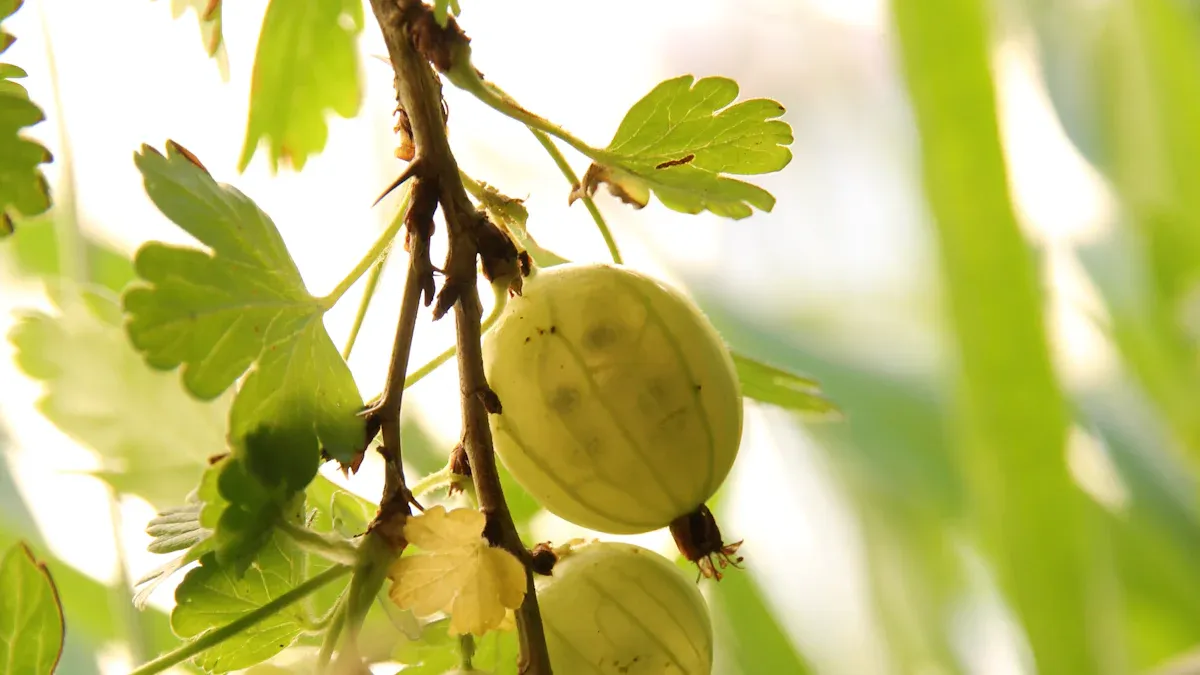
Timing is everything when it comes to fertilizing your gooseberry plant. You want to make sure you’re giving your plants the nutrients they need at the right moments. Let’s break it down into two key periods: spring and fall.
Spring Fertilization
Spring is the perfect time to give your gooseberry plants a boost. Fertilizing in early spring, before the growing season kicks off, is essential. This timing helps provide the necessary nutrients for healthy growth and fruit production. Here are some tips for spring fertilization:
Apply ¼ to ½ pound of a balanced fertilizer, like 10-10-10, around each plant.
Work the fertilizer lightly into the soil to ensure it reaches the roots.
Consider adding composted manure, which is high in nitrogen, to enhance the benefits of synthetic fertilizers.
If your gooseberry plants are in their first year, you should use 1/4 cup of 10-10-10 or 2 tablespoons of 21-0-0 fertilizer. For subsequent years, gradually increase the amount to 1/2 cup (or 1/4 cup of 21-0-0) each spring.
Age/Stage | Fertilizer Amount | Timing |
|---|---|---|
First Year | 1/4 cup of 10-10-10 or 2 tbsp of 21-0-0 | Following spring (if fall-planted) |
Subsequent Years | Gradually increase to 1/2 cup (or 1/4 cup of 21-0-0) | Each spring |
Fall Fertilization
While spring is crucial, don’t overlook fall fertilization. This is another important time to nourish your gooseberry plants. Fertilizing in the fall helps prepare them for winter and supports their overall health. Here’s what you need to know:
Apply a balanced organic fertilizer at the end of winter, but avoid excessive amounts. Too much fertilizer can lead to tender new growth that may not survive the cold.
A 1-inch layer of composted manure over the root zones in late fall can also be beneficial.
If your plants are slow-growing, consider an additional feeding in early summer.
Keep in mind that fertilizing too late in the growing season can harm your plants. It can lead to soft new growth that’s vulnerable to winter cold. So, be mindful of your timing!
By following these guidelines for spring and fall fertilization, you’ll set your gooseberry plants up for success. Remember, proper timing is key to ensuring they thrive and produce delicious fruit.
Amount for Fertilizing Gooseberry Plants
When it comes to fertilizing gooseberry plants, knowing the right amount is essential. Too little can stunt growth, while too much can harm your plants. Let’s dive into the recommended amounts and how to measure them effectively.
Recommended Amounts
For healthy growth, you should fertilize your gooseberry plants in early spring before they start to grow. Here’s a quick guide on how much fertilizer to use based on the age of your plants:
For first-year plants, apply ¼ cup of balanced fertilizer like 10-10-10 or 2 tablespoons of a nitrogen-rich option like 21-0-0.
For subsequent years, gradually increase the amount to ½ cup of balanced fertilizer or ¼ cup of nitrogen-rich fertilizer.
Tip: Always apply the fertilizer in a band around each bush. Work it lightly into the soil, starting near the canes and extending about a foot beyond the branch tips. This method ensures that the nutrients reach the roots effectively.
Here’s a quick reference table for your convenience:
Age/Stage | Fertilizer Amount |
|---|---|
First Year | ¼ cup of 10-10-10 or 2 tbsp of 21-0-0 |
Subsequent Years | ½ cup of 10-10-10 or ¼ cup of 21-0-0 |
Measuring Techniques
Accurate measurement is key to successful fertilization. Here’s a simple step-by-step guide to help you measure the right amount of fertilizer:
Step | Instruction |
|---|---|
1 | Fertilize in early spring, before growth begins. |
2 | Use ¼ to ½ pound of balanced fertilizer. |
3 | Apply fertilizer in a band around each bush, working it lightly into the soil from near the canes to a foot or so beyond the branch tips. |
4 | Consider using composted material rich in nitrogen, such as manure, as an alternative to synthetic fertilizer. |
Be careful not to over-fertilize. Applying too much can lead to tender new growth that may not survive harsh conditions. It can also cause nutrient imbalances in the soil, which can hinder your plants’ growth.
Common mistakes include applying organic matter directly against the main stem, which can lead to rot, or neglecting to apply a 2-inch layer of organic matter in early spring. These oversights can affect soil health and nutrient availability.
By following these guidelines, you’ll ensure your gooseberry plants receive the right amount of nutrients for optimal growth and fruit production.
Methods for Fertilizing Your Gooseberry Plant
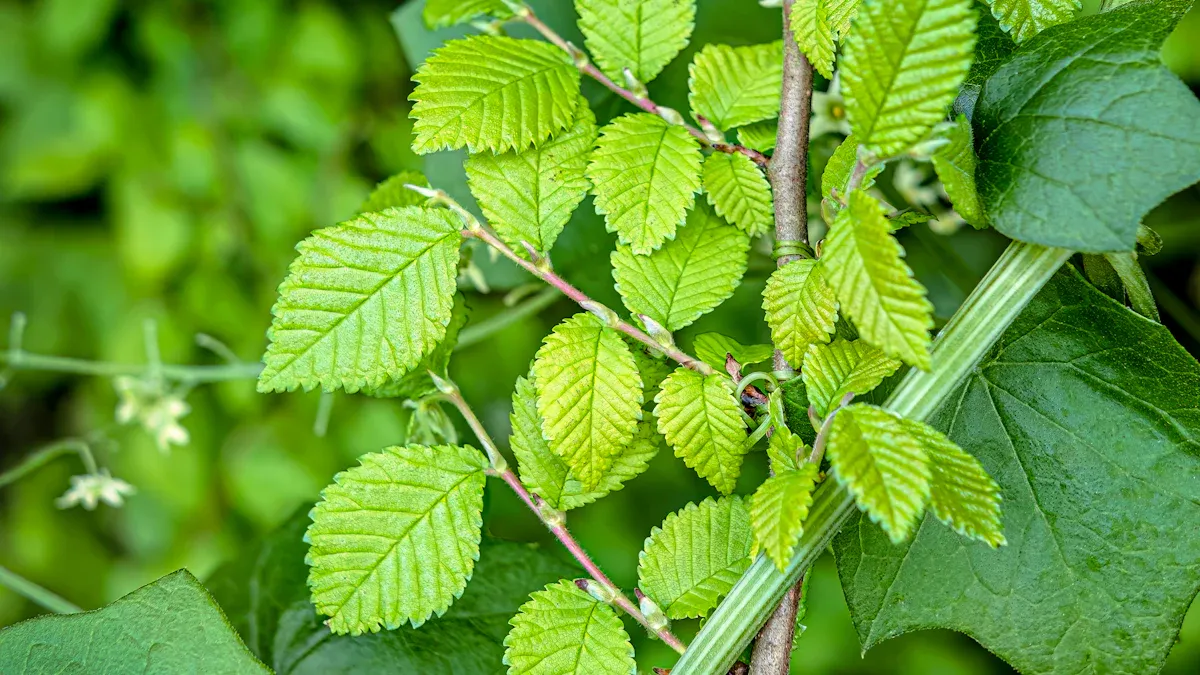
When it comes to fertilizing your gooseberry plant, you have a couple of effective methods to choose from: granular and liquid fertilizers. Each method has its own benefits, so let’s explore them!
Granular Fertilizers
Granular fertilizers are a popular choice among gardeners. They come in small pellets or granules, making them easy to apply. Here’s why you might want to consider using them:
Slow Release: Granular fertilizers release nutrients slowly over time. This means your gooseberry plants get a steady supply of nutrients, which helps them grow strong.
Easy Application: You can simply spread the granules around the base of your plants. Just remember to work them lightly into the soil for the best results.
Variety: You can find different types of granular fertilizers, like the 5-10-5 type, which is great for fall application.
Here’s a quick reference table for some common granular fertilizers:
Fertilizer Type | Application Timing | Additional Benefits |
|---|---|---|
5-10-5 type | Fall | N/A |
Manure | N/A | N/A |
Wood ashes | N/A | Lime and potash |
Liquid Fertilizers
Liquid fertilizers are another effective option for fertilizing your gooseberry plants. They dissolve in water, making them easy to apply. Here are some advantages of using liquid fertilizers:
Quick Absorption: Liquid fertilizers are absorbed quickly by the roots. This means your plants can access nutrients almost immediately.
Targeted Feeding: You can apply liquid fertilizers directly to the soil or as a foliar spray. This allows you to target specific areas that may need extra nutrients.
Flexibility: You can adjust the concentration of liquid fertilizers based on your plants’ needs. This flexibility can be especially helpful during the growing season.
Both granular and liquid fertilizers have their place in your gardening routine. You might even find that a combination of both works best for your gooseberry plants. Experiment with these methods to see which one yields the best results for your garden!
Alternatives for Growing Gooseberries
When it comes to growing gooseberries, you might want to consider some organic options. These alternatives can help you nurture your plants while being kinder to the environment. Let’s explore a couple of great choices!
Organic Options
Using organic fertilizers can significantly benefit your gooseberry plants. They improve soil health and promote a thriving ecosystem in your garden. Here are some popular organic options:
Compost: This is a fantastic way to recycle kitchen scraps and yard waste. It enriches the soil with nutrients and improves its structure.
Fish Emulsion: This liquid fertilizer is rich in nitrogen and can give your plants a quick nutrient boost.
Bone Meal: High in phosphorus, bone meal supports root development and flowering.
Using organic fertilizers not only nourishes your plants but also helps maintain soil quality. Over time, synthetic fertilizers can harm essential soil attributes, leading to pollution and reduced microbial diversity. This decline can make it harder for your gooseberry plants to thrive in the long run.
Homemade Fertilizers
If you enjoy DIY projects, making your own fertilizers can be both fun and effective! Here are a couple of simple recipes:
Banana Peel Fertilizer: Chop up banana peels and bury them in the soil around your plants. They’re rich in potassium, which helps with fruit development.
Coffee Grounds: Sprinkle used coffee grounds around your gooseberry plants. They add nitrogen and improve soil texture.
Tip: Always remember to balance your homemade fertilizers. Too much of one thing can lead to nutrient imbalances, which can harm your plants.
By opting for organic and homemade fertilizers, you can create a healthier environment for your gooseberry plants. Not only do these methods support sustainable gardening, but they also help you grow delicious fruit without relying on harsh chemicals.
In summary, proper fertilization is vital for your gooseberry plants’ health and fruit production. Remember these key points:
No fertilization is needed during the planting year.
In following years, apply 5 ounces of 10-10-10 fertilizer per plant in spring or split it into two applications.
Organic matter amendments can significantly benefit your plants.
Feel free to experiment with the methods and timings discussed. For more detailed guidance, check out specific resources that cover the fertilization process and related gardening topics. Happy gardening! 🌱
FAQ
What is the best fertilizer for gooseberry plants?
You should use a balanced fertilizer like 10-10-10 or a nitrogen-rich option like 21-0-0. These fertilizers provide essential nutrients for healthy growth and fruit production.
How often should I fertilize my gooseberry plants?
Fertilize your gooseberry plants in early spring and again in late fall. This schedule helps ensure they receive the nutrients they need throughout the growing season.
Can I use homemade fertilizers for gooseberries?
Absolutely! Homemade fertilizers like banana peel or coffee grounds can enrich the soil. They provide essential nutrients and promote healthy growth without harsh chemicals.
When can I start harvesting gooseberry plants?
You can start harvesting gooseberry plants when the berries turn a vibrant color and feel slightly soft. This usually happens in mid to late summer, depending on the variety.
Is it necessary to fertilize gooseberries every year?
Yes, regular fertilization helps maintain soil fertility and supports healthy growth. However, adjust the amount based on your plants’ age and growth stage to avoid over-fertilizing.