Creativity is very important in your vegetable garden. It changes a plain area into a lively place. New vegetable garden ideas can make gardening fun and satisfying. They encourage you to try different methods and styles. When you play around with your garden, you may find special ways to grow your favorite vegetables. So, don’t wait! Jump in, be creative, and watch your garden grow like never before.
Vegetable Garden Layouts
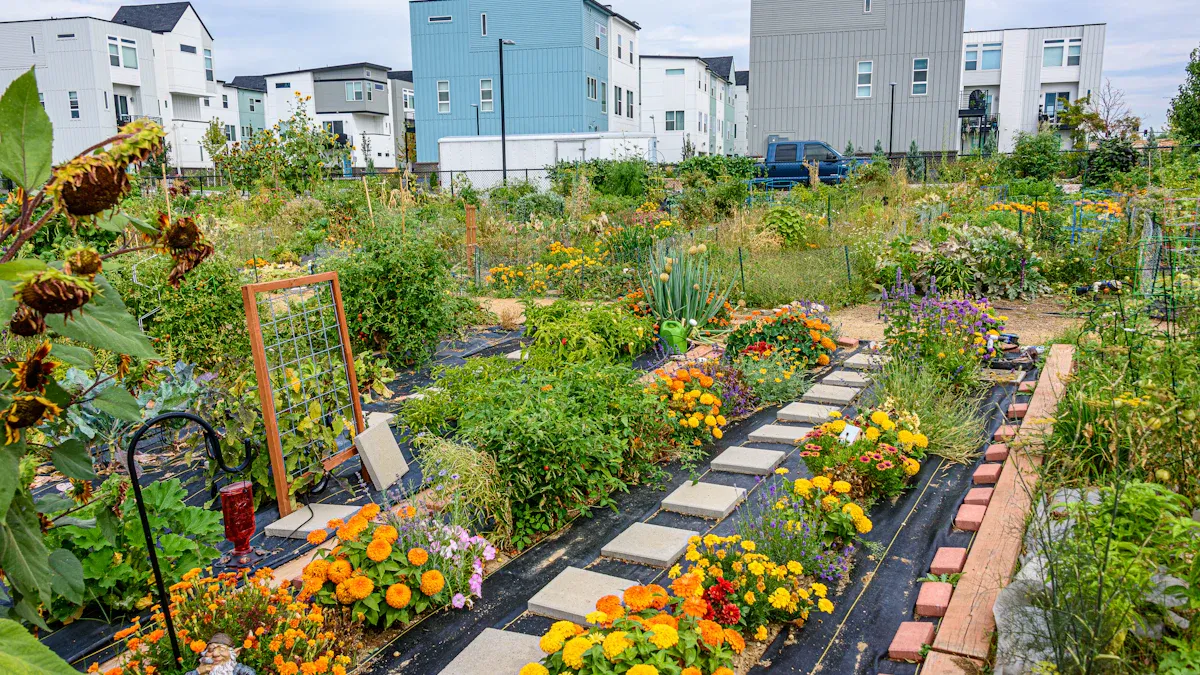
Making a good vegetable garden layout can really improve your gardening fun. It doesn’t matter if you are new or experienced. Knowing different layouts helps you use your space better and grow more food. Let’s look at some creative vegetable garden ideas that can inspire you to grow more in your garden.
Vertical Gardening
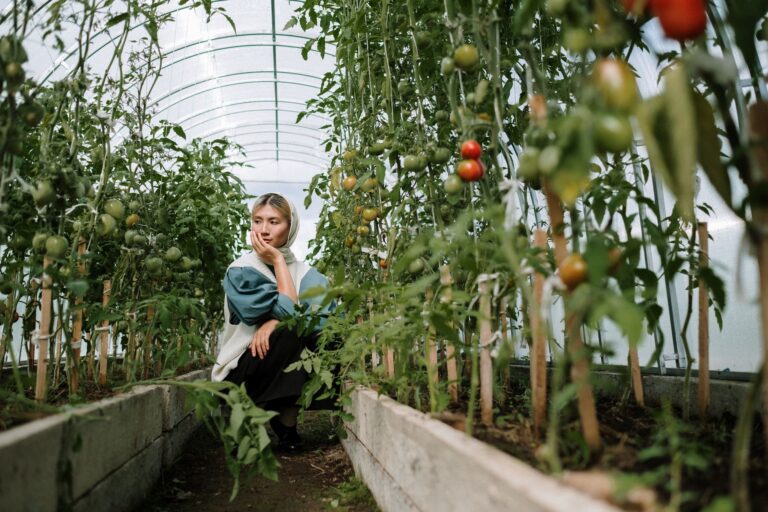
Vertical gardening is a great way to use small spaces. By growing plants up instead of out, you can make a green wall of food.
Benefits of Vertical Space
- Maximizes Space: Vertical gardening lets you stack plants, which is great for small yards or balconies.
- Reduces Water Consumption: With smart watering systems, you can save water and keep plants hydrated well.
- Diversifies Crops: You can grow many kinds of plants in a small area, boosting your harvest.
Best Plants for Vertical Gardens
When picking plants for your vertical garden, choose ones that do well in small spaces. Here are some good choices:
- Tomatoes: Great for trellising and can give a big harvest.
- Cucumbers: They grow well up and save ground space.
- Beans: Both pole and bush types work well in vertical gardens.
- Peppers: Small and colorful, they add beauty and taste to your garden.
Tip: Keeping up with your plants is important for a healthy vertical garden. Check them often and use a drip irrigation system to give them the right amount of water.
Raised Beds
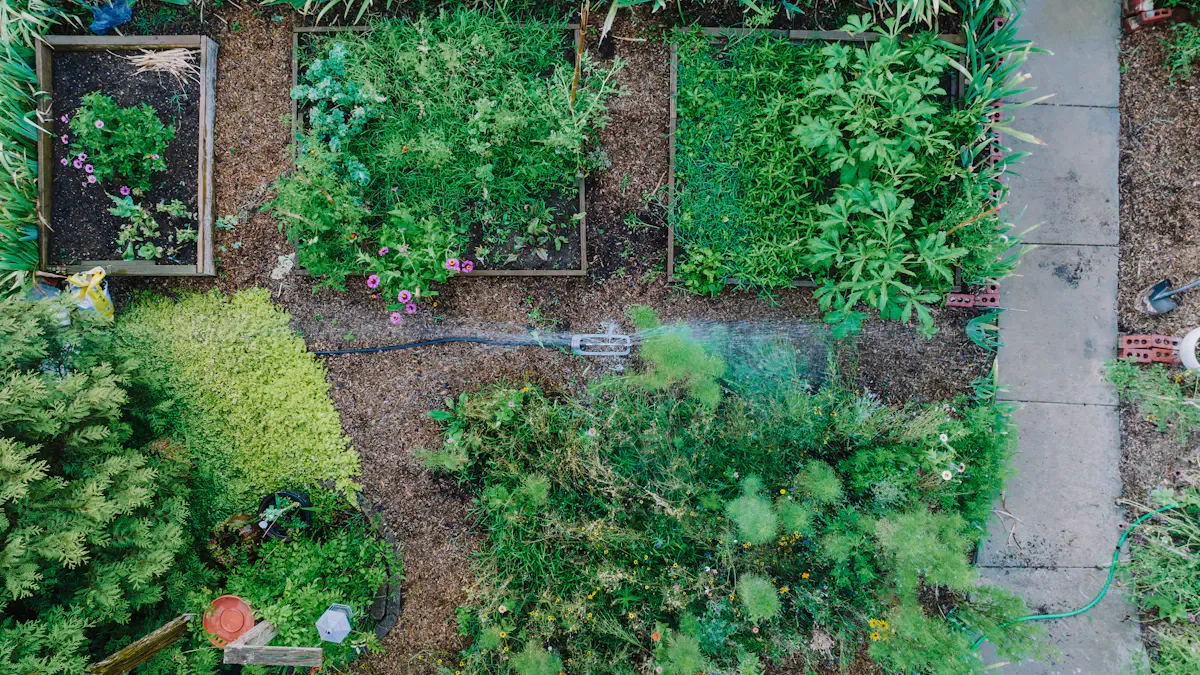
Raised bed vegetable gardens are another popular choice. They have many benefits that can make gardening easier and more successful.
Advantages of Raised Beds
- Improved Drainage: Raised beds let extra water drain away, stopping root rot.
- Reduced Weed Growth: The set space helps keep weeds away, making it easier to care for your garden.
- Easier Access: They are great for gardeners who have trouble moving, as you can build them at a good height.
Materials for Construction
When making your raised beds, think about these materials based on how long they last and their cost:
| Material | Lifespan (Years) | Cost Comparison | Maintenance Requirements |
|---|---|---|---|
| Cedar | 10-15 | 20-30% higher than softwoods | Minimal |
| Redwood | 15-20 | Up to 40% more than cedar | Low |
| Composite Wood | 20+ | 50% more than traditional wood | Very low |
| Galvanized Steel | 20+ | 60% more than wood | Low |
| Stone/Brick/Concrete | Indefinite | 2-3 times more than wood | Very low |
Container Gardening
Container gardening is great for people with little space or bad soil. It lets you grow many vegetables in pots or other containers.
Ideal Containers for Vegetables
When choosing containers, pick ones that drain well and give enough room for roots. Here are some good options:
- Plastic Pots: Light and easy to move around.
- Wooden Boxes: Nice looking and can be made to your size.
- Fabric Grow Bags: Great for air flow and root health.
Tips for Container Placement
- Sunlight: Make sure your containers get enough sunlight, about 6-8 hours a day.
- Mobility: Put containers where you can easily reach them for watering and picking.
- Grouping: Group containers together to make a mini edible garden and make watering easier.
By trying these vegetable garden layouts, you can find what works best for your gardening style and space. Whether you pick vertical gardening, raised beds, or container gardening, each layout has special benefits that can help you grow a successful edible garden.
Planting Techniques
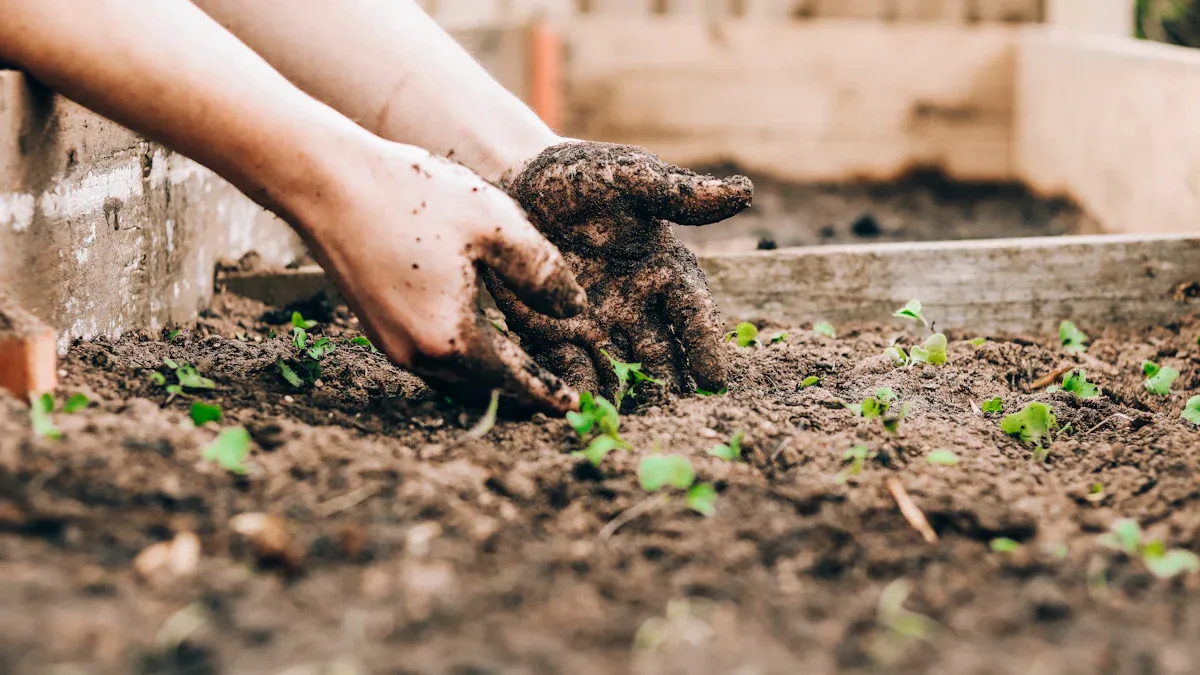
Trying out new planting techniques can change your vegetable garden into a lively place. No matter if you are a beginner or an expert, these methods can help you grow more food. They can also make gardening more fun.
Companion Planting
Companion planting means growing different plants together to help each other. This method can help plants grow better, keep pests away, and make your garden healthier.
Benefits of Companion Planting
- Maximizes Crop Yield: Some plants help each other grow, making your garden more productive.
- Reduces Pest Issues: Certain plants can naturally keep pests away, keeping your garden healthy.
- Attracts Beneficial Insects: Companion plants can bring in pollinators and other helpful bugs.
Research shows that marigolds can lower pest numbers like cabbage loopers and imported cabbageworms when planted with crops. This natural way to control pests can save you time and effort in your garden.
Best Pairings for Vegetables
Here are some good companion plant pairings that can improve your garden:
| Plant Pairing | Benefits |
|---|---|
| Chives and Lettuce | Chives keep aphids away from lettuce. |
| Marigolds and Tomatoes | Marigolds keep aphids and beetles away. |
| Nasturtiums and Cucumbers | Nasturtiums draw aphids away from cucumbers. |
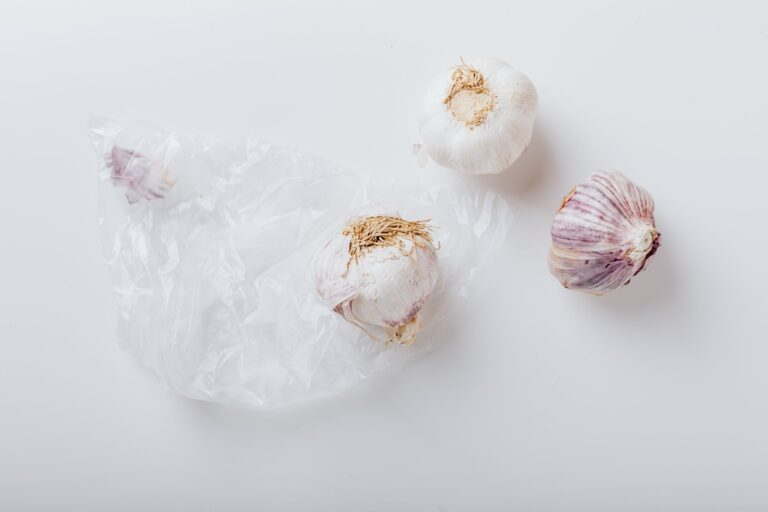
| Garlic and Roses | Garlic keeps insects away and stops fungal diseases. |
| Lavender and Vegetables | Lavender attracts pollinators and keeps moths away. |
| Tomatoes and Basil | Basil keeps tomato hornworms away and adds flavor. |
| Carrots and Onions | Onions keep carrot flies away; carrots help the soil. |
| Cucumbers and Radishes | Radishes keep cucumber beetles away. |
| Corn, Beans, and Squash | Corn supports beans; beans add nitrogen; squash stops weeds. |
Square Foot Gardening
Square foot gardening is a smart and efficient way to grow vegetables. This method splits your garden into small sections, helping you use space and resources better.
Implementing Square Foot Gardening
To start square foot gardening, do these steps:
- Create a Raised Bed: Make a raised bed that is 4 feet by 4 feet.
- Divide into Squares: Mark the bed into 16 equal squares, each 1 foot wide.
- Plan Your Planting: Choose which plants to grow in each square based on their size and growth habits.
| Feature | Square-Foot Gardening | Traditional Gardening |
|---|---|---|
| Space Efficiency | High (great for small areas) | Lower (needs more land) |
| Weeding | Minimal due to close planting | More weeding needed |
| Water Usage | Efficient and focused | May need more water |
| Maintenance Time | Low | Moderate to high |
| Accessibility | Easier (raised beds, less bending) | Harder (working at ground level) |
Crop Rotation Tips
Crop rotation helps keep soil healthy and cuts down on pests. Here are some tips for good crop rotation:
- Separate Areas: Use different spots for tall and short crops to use space well.
- Fallow Periods: Let land rest to regain nutrients, using compost and mulch to stop weeds.
- Cover Crops: Grow cover crops like buckwheat to stop weeds in resting areas.
- Regular Composting: Add compost and organic fertilizers often to keep soil rich.
Hydroponics
Hydroponics is a way to grow plants without soil, using nutrient-rich water instead. This method can be great for those with little space or poor soil.
Basics of Hydroponic Systems
Hydroponic systems come in many types, like nutrient film technique (NFT), deep water culture (DWC), and aeroponics. Each type has its own setup and care needs.
| Advantages | Disadvantages |
|---|---|
| Uses 80-90% less water than traditional gardening | More costly to set up than traditional gardening |
| Fewer pest problems due to controlled environment | Can be affected by power outages |
| Easier to harvest mature plants at waist height | Needs constant checking and care |
Suitable Vegetables for Hydroponics
Some vegetables do well in hydroponic systems. Here are a few you might want to try:
- Lettuce and Leafy Greens: They have shallow roots and can be picked many times.
- Tomatoes and Peppers: These need more care but produce a lot.
- Cucumbers: They grow well in vertical spaces.
- Herbs: They grow quickly and are valuable crops for hydroponics.
By using these planting techniques in your vegetable garden layout, you can make your gardening experience better and more productive. Whether you pick companion planting, square foot gardening, or hydroponics, each method has special benefits to help you grow more food and improve your edible garden.
Themed Vegetable Gardens
Making a themed vegetable garden can be a fun way to mix beauty and usefulness. You can change your outdoor area into a lively space that looks great and gives you fresh food. Let’s look at some creative vegetable garden ideas that can help you grow more food while making your garden look nice.
Edible Landscaping
Edible landscaping mixes beauty with usefulness. You can create a beautiful garden that grows food and looks good too.
Blending Aesthetics with Functionality
Imagine walking through a garden full of colorful fruits and vegetables. Edible landscapes help produce food while solving food shortages. They are both pretty and useful, letting you enjoy fresh food right from your yard.
Plants for Edible Landscapes
Think about adding these plants to your edible landscape:
- Blueberry Bushes: They bring lovely leaves and tasty berries.
- Rainbow Chard: Its bright colors can cheer up any garden.
- Herbs: Basil, thyme, and rosemary not only look nice but also make your meals better.
Herb Spiral Gardens
Herb spiral gardens are a smart and easy way to grow many herbs in a small area.
Benefits of Herb Spirals
These spirals create different climates that help various plants grow well together. They need less space and make gardening tasks easier. Plus, they look amazing!
Designing Your Herb Spiral
To make your herb spiral, do these steps:
- Pick a sunny spot that gets at least 5 hours of sunlight each day.
- Build the spiral with stones or bricks, making a snail-like shape.
- Plant Mediterranean herbs like rosemary at the top, where it’s warm, and water-loving herbs like mint at the bottom.
This design uses space well and lets you grow many kinds of herbs.
Rainbow Gardens
Rainbow gardens focus on color and creativity. You can plant many colorful vegetables to make a beautiful display.
Colorful Vegetable Choices
Think about using these colorful vegetables:
- Purple Carrots: They add a fun twist to your garden.
- Yellow Zucchini: Bright and happy, they stand out nicely.
- Red Bell Peppers: Their bright color can catch the eye.
Planning for Visual Appeal
To make the most of the colors, use colorful pots and mix pot sizes. Place seating areas to face your rainbow garden, so you can enjoy the view. Put colorful plants near paths to attract attention and improve curb appeal.
By trying these themed vegetable garden ideas, you can create a space that is both productive and beautiful. Whether you pick edible landscaping, herb spirals, or rainbow gardens, you’ll see that gardening can be both useful and lovely.
Seasonal Gardening Ideas
Gardening in different seasons can be fun and rewarding. Each season gives you new chances to grow food and enjoy fresh veggies. Let’s look at some seasonal gardening ideas to help you get the most from your vegetable garden.
Winter Vegetables
Winter gardening may seem hard, but you can still have a great harvest. Many vegetables grow well in cooler weather.
Best Vegetables for Winter
Try planting these winter vegetables for a steady harvest:
- Mixed baby greens
- Kale
- Beets
- Carrots
- Radishes
- Swiss chard
- Scallions
- Broccoli
These tough plants can handle frost and give you fresh greens even in winter.
Techniques for Winter Gardening
To keep your winter vegetables safe from frost and cold, use these tips:
- Put 2-3 inches of mulch after watering to protect new plants.
- Cover plants with frost cloth held down with staples or bricks, leaving space for air.
Knowing the weather is very important. Frost can happen even when it’s above freezing, especially on clear nights. Watching wind speed and clouds can help you know when to cover your plants.
Summer Crop Rotation
Summer is a great time to change where you plant your crops. This helps keep the soil healthy and makes your vegetable garden more productive.
Planning for Summer Yields
When planning your summer garden, focus on these crops:
- Summer squash
- Sweet corn
- Sweet potatoes
- Tomatoes
- Peppers
- Cucumbers
- Eggplant
- Okra
- Beans
- Melons
- Tomatillos
For good yields, water regularly, protect plants from pests, and use mulch to keep soil moist.
Timing Your Planting
Timing is important for summer planting. Start seeds indoors or in the ground based on your local weather. Remember to rotate your crops each year to keep the soil healthy and reduce pests. This helps nutrients cycle and improves organic matter in your soil.
Fall Harvest Gardens
As summer ends, fall gives you another chance to plant and harvest.
Vegetables to Plant in Fall
Think about these vegetables for your fall garden:
- Brussels sprouts
- Beans
- Beets
- Radishes
- Turnips
- Collards
- Green onions
- Kohlrabi
- Lettuce
- Cauliflower
- Peas
- Kale
- Parsnips
- Radicchio
- Celeriac (celery root)
These crops can grow well in cooler weather and give you a tasty harvest.
Preparing for Winter
To get your vegetable garden ready for winter, focus on soil health. Add compost and lime to enrich the soil for spring planting. Use mulch to protect crops over winter and keep soil temperature steady. Plant cover crops to stop erosion and boost soil nutrients. Doing succession planting can help you get more harvests into fall and early spring.
By using these seasonal gardening ideas, you can create a lively vegetable garden that gives you fresh produce all year. Enjoy the changing seasons and the rewards of your hard work!
Sustainable Gardening Practices
Sustainable gardening practices help you grow healthy vegetables and protect the environment. By using these eco-friendly methods, you can positively affect your garden and the planet.
Composting
Composting is one of the best ways to recycle organic waste. It turns kitchen scraps and yard debris into rich soil.
Benefits of Composting
- Improves Soil Structure: Compost makes crumbly, airy soil that helps roots grow and water drain.
- Boosts Nutrient Content: It gives important nutrients like nitrogen, phosphorus, and potassium, which feed your plants over time.
- Enhances Water Retention: Compost helps soil keep moisture, so you don’t need to water as often, especially when it’s dry.
- Supports Beneficial Microorganisms: It adds helpful microorganisms that improve nutrient absorption and help plants grow.
Tip: Start composting today! You can use a simple bin or even a pile in your backyard. Just mix green materials (like vegetable scraps) with brown materials (like dried leaves) for the best results.
How to Start Composting
To start composting, follow these easy steps:
- Choose a Location: Find a spot in your yard that’s easy to reach and has good drainage.
- Gather Materials: Collect kitchen scraps (fruits, vegetables, coffee grounds) and yard waste (leaves, grass clippings).
- Layer Your Compost: Alternate layers of green and brown materials. This helps with air flow and breaking down.
- Turn the Pile: Every few weeks, turn your compost to speed up the process. In a few months, you’ll have rich compost ready for your garden!
Rainwater Harvesting
Rainwater harvesting is a smart way to collect and use rainwater for your garden. It’s a great method for saving water and reducing your need for treated city water.
Setting Up a Rainwater System
Setting up a rainwater harvesting system is simple:
- Install Gutters: Attach gutters to your roof to direct rainwater into a storage barrel.
- Choose a Storage Container: Use a rain barrel or a larger tank to collect the water.
- Add a Filter: Install a filter to keep debris out of your stored water.
- Use a Spigot: Attach a spigot to your barrel for easy access to the water.
Benefits for Your Garden
Using rainwater has many advantages:
- Pure Water Source: Rainwater is free from harmful salts and chemicals, making it great for your plants.
- Natural Fertilizer: It can gather beneficial organic matter from your roof, acting as a natural fertilizer.
- Cost-Effective: Collecting rainwater lowers your water bill and helps save resources.
Organic Pest Control
Organic pest control methods help you manage pests without harmful chemicals. These techniques protect your plants and the environment.
Natural Pest Control Methods
Here are some effective organic pest control methods:
- Neem Oil: This natural oil targets pests like squash vine borers and some fungal issues.
- Diatomaceous Earth: Sprinkle this powder around your plants to keep various pests away.
- Crop Rotation: Changing where you plant each year disrupts pest life cycles and reduces infestations.
Tip: Attract beneficial insects like ladybugs and lacewings to your garden. They naturally control pest populations and help keep your garden healthy.
Companion Plants for Pest Management
Companion planting can also help manage pests. Here are some great pairings:
- Marigolds and Tomatoes: Marigolds repel aphids and beetles, protecting your tomatoes.
- Chives and Lettuce: Chives keep aphids away from your lettuce, helping it grow well.
By using these sustainable gardening practices, you can create a thriving vegetable garden that benefits both you and the environment. Enjoy the rewards of your hard work while knowing you’re making a positive impact!
Gardening is all about being creative! You can change your area into a lively place with fresh vegetables. Don’t be afraid to try new ideas and methods. Trying different things can help you find fun ways to garden.
Keep in mind, gardening is not just about growing food; it’s also a fun way to enjoy nature. So pick up your tools, get your hands dirty, and let your imagination grow with your plants!
FAQ
What vegetables are easiest to grow for beginners?
Start with simple vegetables like radishes, lettuce, and green beans. These plants grow fast and need little care, making them great for new gardeners.
How often should I water my vegetable garden?
Water your garden deeply once or twice a week. Check the soil; if it feels dry an inch down, it’s time to water.
Can I grow vegetables in containers?
Yes! Many vegetables do well in containers. Pick pots with good drainage and choose smaller types like cherry tomatoes and herbs.
What is companion planting?
Companion planting means growing different plants together to help each other. For example, tomatoes and basil grow well together, improving flavor and keeping pests away.
How do I prevent pests in my garden?
Use natural methods like neem oil or bring in helpful insects like ladybugs. You can also plant herbs that keep pests away, like mint and marigolds.
When is the best time to plant vegetables?
The best time to plant depends on your climate. Usually, plant cool-season crops in early spring and warm-season crops after the last frost.
How can I improve my soil quality?
Add organic matter like compost or well-rotted manure to make your soil better. This adds nutrients and helps with drainage and air flow.
What should I do in the fall to prepare for winter?
Clean up your garden by taking out dead plants. Add mulch to protect the soil and think about planting cover crops to enrich it for spring.