Choose the best cucumber seeds and you’ll get crisper, tastier fruit with less fuss. These five varieties suit different spaces and uses: Organic Marketmore 76 and Straight Eight are reliable slicers, Armenian Yard Long produces long tender fruit, KVITER is a compact pickling variety, and Muncher yields mild, high-producing cucumbers.
Pick based on flavor, days to harvest, and whether you’ll grow them upright or let them sprawl. This guide gives practical notes to match each variety to your garden and kitchen.
| Organic Marketmore 76 Cucumber Seeds (Approx 100) |
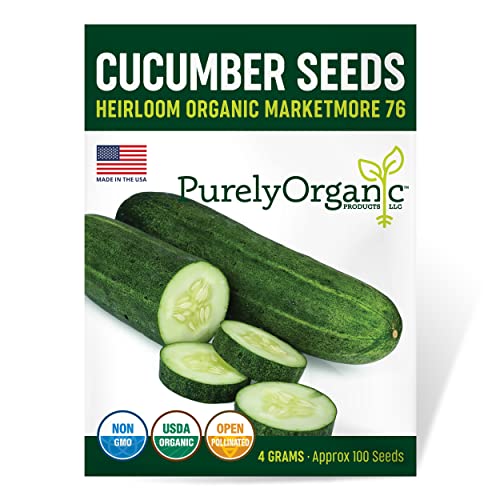
| Best Overall | Variety: Marketmore 76 (slicing cucumber) | Seed Count / Quantity: Approx. 100 seeds | Seed Type / Heritage: Open-pollinated, heirloom | VIEW LATEST PRICE | Read Our Analysis |
| Straight Eight Heirloom Cucumber Seeds (50) |

| Classic Slicer | Variety: Straight Eight (slicing/pickling cucumber) | Seed Count / Quantity: 50 seeds | Seed Type / Heritage: Heirloom, open-pollinated | VIEW LATEST PRICE | Read Our Analysis |
| Armenian Yard Long Cucumber Seeds — Heirloom Non-GMO |
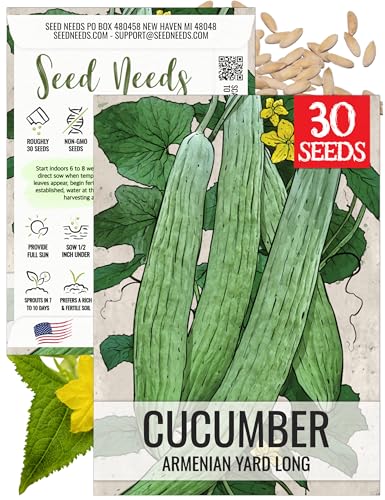
| Longest Harvest | Variety: Armenian Yard Long (snake/yard-long cucumber) | Seed Count / Quantity: Generous packet (exact count not specified; suitable for sharing/storing) | Seed Type / Heritage: Heirloom, open-pollinated (majority) | VIEW LATEST PRICE | Read Our Analysis |
| KVITER Heirloom Pickling Cucumber Seeds (50) | Best for Pickling | Variety: KVITER Pickling Cucumber (pickling variety) | Seed Count / Quantity: 50 seeds | Seed Type / Heritage: Heirloom | VIEW LATEST PRICE | Read Our Analysis | |
| Muncher Non-GMO Cucumber Seeds (3 g ~90) |

| Most Prolific | Variety: Muncher (burpless slicing cucumber) | Seed Count / Quantity: ~90 seeds (3 g) | Seed Type / Heritage: Non-GMO (implied traditional variety; burpless) | VIEW LATEST PRICE | Read Our Analysis |
More Details on Our Top Picks
Organic Marketmore 76 Cucumber Seeds (Approx 100)
Should you want reliable, easy-care cucumbers that taste great and grow well in small spaces, you’ll love the Organic Marketmore 76 seeds. You get about 100 heirloom, open pollinated seeds that came from the USA and carry USDA Organic and non-GMO assurance. Plant them aware the dark green, smooth fruits reach 8 to 9 inches and taste sweet and mild, perfect for slicing, salads, sandwiches, and chilled soups. Seeds are freshly packed with clear planting instructions and good germination for next season. Trellising helps vines climb, saves space, and keeps fruit clean and undamaged while improving yields.
- Variety:Marketmore 76 (slicing cucumber)
- Seed Count / Quantity:Approx. 100 seeds
- Seed Type / Heritage:Open-pollinated, heirloom
- Non-GMO / Organic Status:USDA Organic certified; Non-GMO
- Intended Use:Slicing — salads, sandwiches, soups
- Days to Harvest / Maturity:(implied current-season planting; typical — not explicitly listed)
- Additional Feature:Dark green smooth-skinned
- Additional Feature:Trellis-recommended for vines
- Additional Feature:Freshly packed for season
Straight Eight Heirloom Cucumber Seeds (50)
In case you want reliable, tasty slicers that also double for pickles, these Straight Eight heirloom cucumber seeds are a smart pick for your 2026 garden. You get 50 non-GMO seeds grown in the USA, and you’ll plant them aware they’re meant to be picked at about 8 inches for the best texture and flavor. They give crisp slicers that also work well sliced into jars, so neighbors and family will ask for cucumbers. They suit home and kitchen gardens and small-scale growers. As you tend vines, you’ll enjoy steady yields and simple care that reward your patience.
- Variety:Straight Eight (slicing/pickling cucumber)
- Seed Count / Quantity:50 seeds
- Seed Type / Heritage:Heirloom, open-pollinated
- Non-GMO / Organic Status:Non-GMO
- Intended Use:Slicing (best at 8″) and pickling
- Days to Harvest / Maturity:Best harvested at 8″ (harvest timing implied; days not specified)
- Additional Feature:Best at 8″ length
- Additional Feature:Good for pickling
- Additional Feature:Garden crowd-pleaser
Armenian Yard Long Cucumber Seeds — Heirloom Non-GMO
Should you love growing unusual, flavorful vegetables and often want to surprise friends or neighbors, these Armenian Yard Long cucumber seeds are a great choice for you. You’ll enjoy heirloom, open-pollinated seeds that come untreated and non-GMO, so you can feel confident about what you plant. The packet shows an artful illustration and clear sowing steps on the back, and it’s tear and moisture resistant. Vines sprawl 3–5 feet or climb a trellis, and fruits can reach a yard though you’ll often harvest at 12–18 inches. Germination appears in days, with harvest in 50–75 days. Packets hold plenty to share.
- Variety:Armenian Yard Long (snake/yard-long cucumber)
- Seed Count / Quantity:Generous packet (exact count not specified; suitable for sharing/storing)
- Seed Type / Heritage:Heirloom, open-pollinated (majority)
- Non-GMO / Organic Status:Non-GMO, untreated
- Intended Use:Slicing (fresh use; long-fruit uses)
- Days to Harvest / Maturity:50–75 days to harvest
- Additional Feature:Reaches up to yard
- Additional Feature:Tear/moisture-resistant packet
- Additional Feature:50–75 days harvest
KVITER Heirloom Pickling Cucumber Seeds (50)
Best for Pickling
View Latest PriceShould you want dependable pickling cucumbers that make jar-size fruits and fit small-space gardens, KVITER Heirloom Pickling Cucumber Seeds are a great choice. You’ll get 50 non GMO seeds suited for containers, raised beds, or fence trellising. Plant seeds 1 inch deep after frost or start indoors 3 to 4 weeks sooner, keeping soil warm at 75 to 85°F for 6 to 10 day germination. Space plants 18 to 24 inches apart and water regularly in well draining loam with pH 6.0 to 6.8. Vining plants reach about 18 to 30 inches and yield tapered 5 to 7 inch picklers in 50 to 70 days.
- Variety:KVITER Pickling Cucumber (pickling variety)
- Seed Count / Quantity:50 seeds
- Seed Type / Heritage:Heirloom
- Non-GMO / Organic Status:Non-GMO, organic vegetable seeds (listed)
- Intended Use:Pickling (jar-fit pickles) and fresh use
- Days to Harvest / Maturity:50–70 days to harvest
- Additional Feature:5–7″ tapered fruits
- Additional Feature:Broad USDA zones (2–12)
- Additional Feature:Fast germination (6–10d)
Muncher Non-GMO Cucumber Seeds (3 g ~90)
Provided you want a reliable, high-yield cucumber for fresh salads and pickling, Muncher Non-GMO seeds are a great pick because they give you lots of mild, burpless cucumbers without the bitter bite. You’ll get a 3 gram pack with about 90 seeds, so you can plant generously and share with friends. These reach harvest in roughly 65 days, and they produce very prolifically, giving long 6 to 9 inch fruits that stay crisp. Should you value ease and steady yields, you’ll appreciate their mild flavor and abundant crop. Plant in warm soil, water regularly, and enjoy steady snacking and pickling.
- Variety:Muncher (burpless slicing cucumber)
- Seed Count / Quantity:~90 seeds (3 g)
- Seed Type / Heritage:Non-GMO (implied traditional variety; burpless)
- Non-GMO / Organic Status:Non-GMO
- Intended Use:Slicing — burpless, high-yield table cucumbers
- Days to Harvest / Maturity:65 days to harvest
- Additional Feature:Burpless, mild flavor
- Additional Feature:Very prolific producer
- Additional Feature:6–9″ fruit size
Factors to Consider When Choosing Cucumber Fruit Seeds
If you select cucumber seeds, consider the seed type and variety because that decides flavor, texture, and how the plant grows. Also check yield and days to maturity along with disease resistance so you won’t be surprised by late crops or sick plants. Finally, match the growing habit to your space so vine length and support needs fit your garden and make harvesting easier.
Seed Type & Variety
Should you want cucumbers that suit your kitchen and climate, start selecting the right type and variety of seed because each one is bred for a specific use and growing habit. You’ll pick between slicing, pickling, and specialty types like burpless or long Armenian, since each gives different fruit size and skin feel. Also decide whether you desire open-pollinated heirlooms that let you save seeds or hybrids that often bring stronger disease resistance and vigor. Check days-to-harvest so your plants finish in your season. Look at typical length and skin texture to match how you’ll use them. Finally, seek varieties listing resistance to powdery mildew, downy mildew, or cucumber mosaic to reduce loss and make care easier.
Flavor And Texture
You picked the seed type and variety to suit your garden and kitchen, so now let’s talk about what those choices mean for taste and feel. You want cucumbers that match how you eat them. Pickling types keep a firm, crunchy flesh and small seed cavity so they stay crisp after processing. Slicing varieties aim for juiciness and a snappy bite whenever eaten fresh. Burpless varieties reduce bitterness and the gas-causing compounds, making them gentler on your stomach. Pay attention to recommended harvest lengths, since over-mature fruits grow larger seed cavities and more bitterness. Also watch water and heat; uneven watering and plant age can cause a mealy texture or off-flavors even in the best varieties. Choose seeds that fit your palate and care routine.
Yield And Maturity
Picking seeds that match how much you want to harvest and how fast you need those cucumbers to show up will save you time and stress. Check days-to-harvest and pick varieties that fit your season. In most temperate gardens aim for 45 to 75 days so plants finish before cold snaps. Also compare expected yield per plant or per square foot. Vining types often produce dozens of 6 to 9 inch fruits over the season while bush types give fewer but often ripen sooner. Decide whether you want early mid or late maturity to space out harvests or to get one big batch for pickling. Look for continuous bearing reminders should you want steady supply. These choices help match seed traits to your kitchen needs.
Disease Resistance Traits
After you’ve matched seeds to the harvest size and timing you want, consider about disease resistance so your plants can actually reach that yield. Look for packets that note resistance letters like F C N and DM because those cut losses from common soil and leaf diseases. In humid areas prioritize DM and powdery mildew resistance since a single season can wreck fruit quality. Keep in mind resistance is not immunity so plan rotation sanitation and spot treatments too. Should your soil has root-knot history choose N or NN varieties to keep vines strong and fruit set steady. Whenever possible check certified ratings trial data and local extension reports. Compare days to harvest with resistance combos to pick seeds that match your garden’s disease risks.
Growing Habit And Space
Whenever space is tight or you’ve got room to spare, the way a cucumber grows will shape everything from where you plant it to how often you harvest. You’ll choose bush or vining types based on your plot. Bush varieties stay compact, often under 2 to 3 ft tall, so they fit containers and small raised beds. Vining cucumbers can sprawl 6 to 12 ft or more, yet should you train them on a trellis they only need about 2 to 3 ft of linear ground space per plant and give cleaner, straighter fruit. Space plants 12 to 18 inches apart for bush types and 18 to 36 inches for vines to improve airflow and cut disease risk. In case you have vertical room, use a 6 to 8 ft trellis. For balconies, try compact or grafted mini-vine types in 1 to 5 gallon pots needing 1 to 2 sq ft.