
Columbine seeds are easy to grow and produce delicate, bell-shaped flowers quickly.
Choose varieties that suit your space, from true-blue heirlooms to tall mixes and hummingbird-attracting reds.
Sow seeds on the soil surface or press them lightly, cold-stratify if the packet instructs, and keep soil moist around 65–70°F.
Provide partial shade and excellent drainage for a lively garden season.
| Burpee Blue Star Columbine Seeds – Heirloom Perennial for Shade |

| Best for Shade | Plant Type: Columbine (Aquilegia vulgaris) | Perennial: Heirloom perennial | Light Preference: Partial shade (woodland/darker spots) | VIEW LATEST PRICE | Read Our Analysis |
| Sow Right Blue Columbine Heirloom Flower Seeds |

| Pollinator Favorite | Plant Type: Columbine (Aquilegia caerulea) | Perennial: Perennial variety | Light Preference: Prefers shade in hot climates (tolerates varied conditions) | VIEW LATEST PRICE | Read Our Analysis |
| Created By Nature Blue Columbine Perennial Flower Seeds |
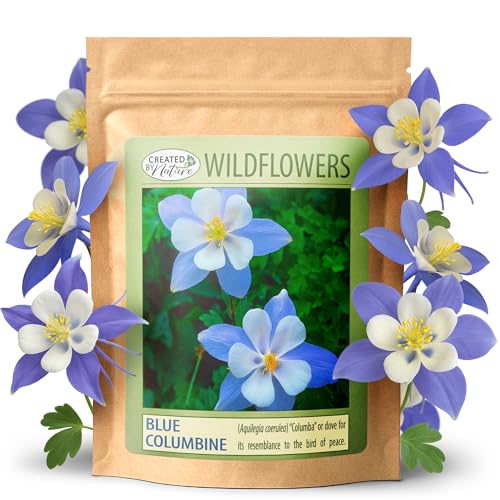
| Best Coverage | Plant Type: Columbine (Aquilegia caerulea) | Perennial: Perennial seeds | Light Preference: Full sun to partial shade | VIEW LATEST PRICE | Read Our Analysis |
| Sow Right Columbine McKana Giants Mix Seeds |

| Colorful Mix | Plant Type: Columbine (Aquilegia vulgaris) | Perennial: Perennial mix | Light Preference: Prefers partial shade (woodland gardens) | VIEW LATEST PRICE | Read Our Analysis |
| Outsidepride Eastern Red Columbine Seeds (1000 pcs) |

| Best for Cutting | Plant Type: Columbine (Eastern red variety) | Perennial: Perennial (returns year after year) | Light Preference: Full sun to partial shade | VIEW LATEST PRICE | Read Our Analysis |
More Details on Our Top Picks
Burpee Blue Star Columbine Seeds – Heirloom Perennial for Shade
Should you want a reliable, shade-loving columbine that feels like it was picked just for your quiet garden nook, Burpee Blue Star is a smart choice because it blends true blue and white blooms with easy care and strong vigor. You’ll love how flowers float above delicate foliage in spring, brightening darker spots. Plant in rich, well-drained soil and give partial shade, especially in woodland-style beds. Seeds are non-GMO, open-pollinated, and hand-picked for high germination, but they need cold stratification to sprout reliably. Burpee’s long history means you can get tips and support as plants establish.
- Plant Type:Columbine (Aquilegia vulgaris)
- Perennial:Heirloom perennial
- Light Preference:Partial shade (woodland/darker spots)
- USDA Hardiness Zones:Zones 3–9
- Seed Type / Quality:Non-GMO, open-pollinated, hand-picked high-germination
- Pollinator/Attracts Wildlife:(Not explicitly stated) — columbine flowers typically attract pollinators
- Additional Feature:True blue-and-white blooms
- Additional Feature:Hand-picked seed selection
- Additional Feature:Cold-stratification required
Sow Right Blue Columbine Heirloom Flower Seeds
Should you love inviting pollinators to your garden and want a reliable, heirloom choice, Sow Right Blue Columbine is often the perfect pick for beginner and experienced gardeners alike. You’ll plant delicate blue flowers with white corollas above fern like foliage that pleases the eye and local pollinators. Sow seeds 1/16 in deep and space plants about 16 in apart for a 1 to 2 ft tall display. Germination takes 21 to 28 days at 65 to 70°F and maturity in 50 to 60 days. Non GMO heirloom seeds come in packets of about 350 seeds and include growing instructions.
- Plant Type:Columbine (Aquilegia caerulea)
- Perennial:Perennial variety
- Light Preference:Prefers shade in hot climates (tolerates varied conditions)
- USDA Hardiness Zones:Zones 5–9
- Seed Type / Quality:Non-GMO heirloom, Safe Seed Pledge, replacement support
- Pollinator/Attracts Wildlife:Attracts hummingbirds, bees, butterflies
- Additional Feature:~350 seeds per packet
- Additional Feature:Solar-powered operation
- Additional Feature:Replacement seed guarantee
Created By Nature Blue Columbine Perennial Flower Seeds
Provided you want a cheerful, low-fuss perennial that draws bees, butterflies, and hummingbirds, Created By Nature Blue Columbine seeds are a great fit for beginner and experienced gardeners alike. You’ll get 2,400 Aquilegia caerulea seeds, enough to cover up to 45 sq. ft. Plant in spring, scatter and press into well-draining soil, then water regularly until germination in about 21 days. Expect blooms in 60 to 90 days in full sun or partial shade. These non-GMO seeds have high germination rates and are grown within the USA by a family brand with 40 plus years of pollinator focus.
- Plant Type:Columbine (Aquilegia caerulea)
- Perennial:Perennial seeds
- Light Preference:Full sun to partial shade
- USDA Hardiness Zones:(Not explicitly listed as zones; implied adaptable) — typically suited for temperate zones (information gives general perennial suitability)
- Seed Type / Quality:Non-GMO, no fillers, high germination, USA-grown
- Pollinator/Attracts Wildlife:Attracts bees, butterflies, hummingbirds; supports biodiversity
- Additional Feature:2,400 seeds per packet
- Additional Feature:Covers up to 45 sq.ft.
- Additional Feature:Grown and packaged USA
Sow Right Columbine McKana Giants Mix Seeds
In case you want carefree, cottage-style color that draws hummingbirds and butterflies, Sow Right Columbine McKana Giants Mix is a great pick for your garden. You’ll get a cheerful heirloom mix of blue, pink, red, violet, white, and yellow from one packet with about 350 seeds. Plant very shallow at 1/16 inch, keep 16 inches between plants, and expect germination in 21 to 28 days once soil is 65 to 70°F. These perennials reach about 30 inches tall and suit zones 3 to 9 in partial shade. Support is available and seeds are non-GMO with a replace policy.
- Plant Type:Columbine (Aquilegia vulgaris)
- Perennial:Perennial mix
- Light Preference:Prefers partial shade (woodland gardens)
- USDA Hardiness Zones:Zones 3–9
- Seed Type / Quality:Non-GMO heirloom, fresh seed production, Safe Seed Pledge
- Pollinator/Attracts Wildlife:Attracts hummingbirds, butterflies, bees; squirrel- and rabbit-resistant
- Additional Feature:Multicolor heirloom mix
- Additional Feature:Squirrel-and rabbit-resistant
- Additional Feature:30″ tall variety
Outsidepride Eastern Red Columbine Seeds (1000 pcs)
Should you want bright, low-fuss flowers that bring hummingbirds and bees to your yard, Outsidepride Eastern Red Columbine seeds are a great pick for hands-on gardeners who like color without a lot of hassle. You’ll grow 18–24 inch plants that lift borders, beds, and containers with red petals and a yellow corolla. Sow 3–4 seeds per spot, spacing plants about 16 inches in rich, well-drained soil. Press seeds into soil; don’t cover them. Start indoors 6–8 weeks before last frost or sow outside after frost. Trim after blooming to create lacy ground cover and encourage return blooms.
- Plant Type:Columbine (Eastern red variety)
- Perennial:Perennial (returns year after year)
- Light Preference:Full sun to partial shade
- USDA Hardiness Zones:Zones 3–9
- Seed Type / Quality:(Not explicitly labeled non-GMO) — high-count seed packet (1000 pcs), described as adaptable and perennial (seed quality implied for multiple seasons)
- Pollinator/Attracts Wildlife:Attracts pollinators; suitable for pollinator-friendly gardens
- Additional Feature:1,000 seeds included
- Additional Feature:Red petals yellow corolla
- Additional Feature:Good for containers
Factors to Consider When Choosing Columbine Flower Seeds
When you pick columbine seeds, consider about how much sun or shade they need and whether your hardiness zone will support them. Also ponder the flower colors and shapes you love, how many seeds you need to fill the space, and any special germination steps like cold stratification. These choices work together, so matching light needs and zone with seed quantity and germination requirements will help your plants thrive and make gardening feel easier.
Light And Shade Needs
Because columbines usually come from cool, shady woodlands, you’ll want to match that feeling in your garden so the plants stay healthy and bloom longer. Place them where they get about 3 to 6 hours of morning sun and comfortable afternoon shade in warmer areas. Should you live where summers stay cool, you can give columbines more sun, but keep soil moist and well draining. Avoid full sun in hot regions since heat can scorch leaves and cut flowering. In containers or exposed sites, watch soil temperature and water more often because pots heat up faster. Aim for dappled or light woodland shade to mimic nature. That balance helps foliage stay lush and blooms last longer.
Hardiness Zone Range
You’ve placed your columbines in the right light, so now consider whether your climate will let them come back year after year. Columbines generally thrive as perennials in USDA zones 3 through 9, but not every variety suits every yard. Pick seed types rated for your zone because cold-hardy strains handle deep freezes in zones 3 to 5, while less-hardy options do better in milder zones 6 to 9. In cold areas, seedlings need winter dormancy and sometimes initial year protection. In warm areas, several varieties prefer part shade to avoid heat stress and a shortened lifespan. Stratify seeds to mimic winter and enhance germination. Should you’re near a zone edge, use sheltered spots, north-facing beds, or mulch to extend survivability and bloom success.
Flower Color And Form
Color and form matter a lot whenever you pick columbine seeds, and you’ll want to choose with both your heart and your garden in mind. You can pick true blues, whites, reds, pinks, yellows, or dramatic bi-colors, so look for seed packets that name exact shades. Also consider about the classic spurred shape. Some varieties have long backward-pointing nectar spurs, which invites hummingbirds, while shorter spurs suit long-tongued insects. Flower size and plant height vary, so match compact 1–2 foot types to front borders and taller 2–2.5 foot types to middles or backs. Many cultivars offer contrasting corollas and spurs for focal points. Finally, check bloom timing and whether the form tends to rebloom with deadheading so your beds stay bright longer.
Seed Quantity And Coverage
You picked the colors and forms that make your heart sing, and now you’ll want seeds that actually fill the space you’ve planned. Check seed counts or seeds per gram on the packet so you can estimate coverage. Many packets hold a few dozen to several thousand seeds, so do the math before you buy. For direct sowing, use a light rate, only a few dozen seeds per square foot, since plants need room to grow to one to two feet. For meadow or broadcast planting, increase quantities to several hundred or thousands to spread evenly across tens of square feet. Provided you start in trays or pots, sow ten to twenty percent extra to allow for losses and thinning. Bear in mind tiny surface seeds can blow or wash away, so plan quantity and technique together.
Germination Requirements
Upon selecting columbine seeds, consider about what the young plants really need to start strong, because getting the initial stage right saves time and heartache later. You’ll want to surface-sow or press seeds lightly into soil no deeper than 1/16 inch since they need light to germinate. Many types do better after cold stratification, so keep moist seeds in the fridge for several weeks to break dormancy. Use well-draining, fertile mix and keep it consistently moist but not waterlogged to avoid rot. Aim for mid-60s°F, about 65 to 70°F, for the best germination. Expect seedlings in roughly 21 to 28 days. Varieties differ, so some might bloom in 50 to 90 days while others take longer to establish.
Pollinator Attractiveness
Whenever you pick columbine seeds, consider about which pollinators you want to welcome into your garden and why their needs matter. Suppose about color initially. Red and pink varieties often draw hummingbirds, while blue, purple, and white shades usually attract bees and butterflies. Next, look at floral shape. Long tubular spurs hold nectar that hummingbirds and hawk moths can reach, while shorter corollas suit many bees. Also check bloom timing. Early-flowering types give nectar to emerging bees and migrating hummingbirds. Plant densely and choose seeds that offer staggered bloom periods to keep food available over weeks. That approach enhances visits and supports a wider range of pollinators. As you decide, envision who will visit and pick seeds that match their feeding style.
Maintenance And Lifespan
Choosing seeds that attract pollinators is a great start, but you’ll also want to contemplate about how much time and care your columbines will need to thrive year after year. Columbine are herbaceous perennials that usually bloom reliably for three to five seasons when you give them steady care. You’ll deadhead spent flowers to extend bloom time and stop unwanted volunteers, and you’ll divide clumps every three to four years to keep plants vigorous. These flowers like well drained soil and partial shade in hot areas, so avoid soggy roots and scorch. Watch leaves for pests and powdery mildew in humid weather and treat problems early, because heavy infestations can weaken plants and shorten their productive life.