Evergreen flowering plants can keep a garden colorful across seasons with minimal upkeep. Choose shade-tolerant creeping wintergreen for glossy foliage and red berries in acidic soil.
Perennial candytuft creates spring carpets of white, pink, or lavender that attract pollinators. Add hardy camellias for winter-to-spring blooms, gardenia jasminoides for warm-summer fragrance, and climbing jasmine for late-spring to summer scent to create near year-round interest tailored to sun exposure, soil type, and deer resistance.
| Creeping Wintergreen (Gaultheria procumbens) Flower Seeds |

| Fragrant Groundcover | Plant type: Evergreen groundcover | Flowered/ornamental: Yes — white flowers, decorative berries | Seed packet count: 20 seeds | VIEW LATEST PRICE | Read Our Analysis |
| Gardenia Jasminoides Seeds (200) — Fragrant Evergreen |
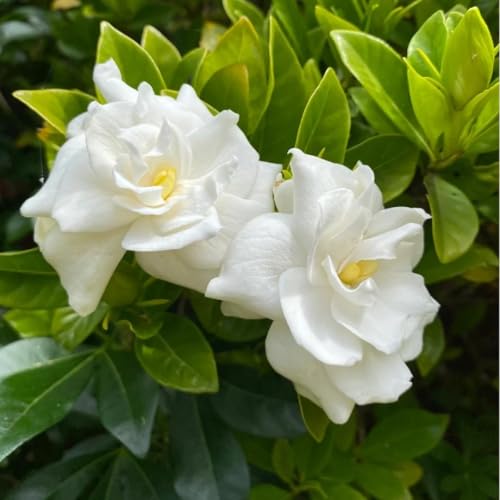
| Highly Fragrant Favorite | Plant type: Evergreen shrub | Flowered/ornamental: Yes — pure white double blooms | Seed packet count: 200 seeds | VIEW LATEST PRICE | Read Our Analysis |
| Climbing Jasmine Seeds (100+) — Fragrant Evergreen Plant |
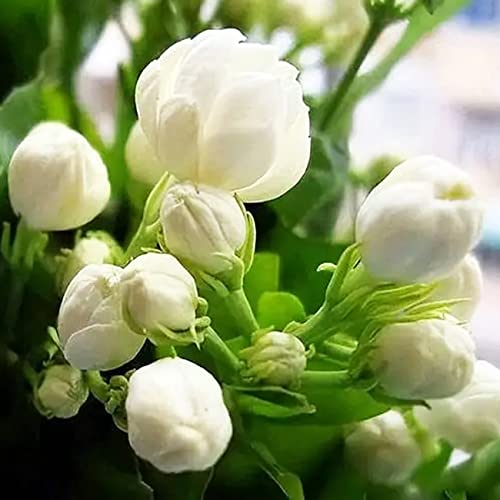
| Fast-Climbing Bloomer | Plant type: Evergreen climbing vine | Flowered/ornamental: Yes — white scented blooms | Seed packet count: 100+ seeds | VIEW LATEST PRICE | Read Our Analysis |
| Perennial Candytuft (Iberis) Ground Cover Seeds | Pollinator Magnet | Plant type: Evergreen groundcover | Flowered/ornamental: Yes — mixed white/pink/lavender blooms | Seed packet count: 2000+ seeds | VIEW LATEST PRICE | Read Our Analysis | |
| Mixed Cold-Hardy Camellia Seeds for Outdoor Planting |

| Winter-Blooming Showstopper | Plant type: Evergreen shrub | Flowered/ornamental: Yes — large mixed-color showy flowers | Seed packet count: 20+ seeds | VIEW LATEST PRICE | Read Our Analysis |
More Details on Our Top Picks
Creeping Wintergreen (Gaultheria procumbens) Flower Seeds
Should you want a low-growing, fragrant evergreen that fills shady spots with tiny white flowers and bright red, minty berries, these 20 Creeping Wintergreen seeds are a great pick for your garden. You’ll enjoy an easy groundcover that stays under 6 inches, spreads slowly, and blooms from October to late spring with peak flowers in spring. Plant in spring in loam or average soil, spacing plants 12 to 15 inches, and give moderate water. Hardy in zones 3 to 8, it offers fragrant leaves for tea and oils and chewable berries that taste like wintergreen.
- Plant type:Evergreen groundcover
- Flowered/ornamental:Yes — white flowers, decorative berries
- Seed packet count:20 seeds
- Light requirement:Part shade to full shade
- Soil/drainage preference:Loam / average soil (moderate moisture)
- Watering/moisture needs:Moderate watering
- Additional Feature:Fragrant edible leaves
- Additional Feature:Apple-like winter berries
- Additional Feature:Conservation-listed in Illinois
Gardenia Jasminoides Seeds (200) — Fragrant Evergreen
Whenever you love fragrant, classic blooms and desire an easy-care evergreen that often rewards you with long seasons of scent, these 200 Gardenia jasminoides seeds are a great choice for your garden or containers. You’ll plant non-GMO, perennial seeds that grow into glossy, dark green shrubs. They produce pure white double flowers with a sweet, enchanting aroma from summer through late fall. You’ll enjoy abundant blossoms that contrast beautifully with the foliage. Gardenias prefer well-drained, acidic soil and partial to full sun. They need moderate care, suit novices and pros, and work well in beds, pots, bonsai, or indoors.
- Plant type:Evergreen shrub
- Flowered/ornamental:Yes — pure white double blooms
- Seed packet count:200 seeds
- Light requirement:Partial to full sun
- Soil/drainage preference:Well-drained, acidic soil
- Watering/moisture needs:Moderate care (implies moderate watering)
- Additional Feature:Pure white double blooms
- Additional Feature:Glossy year-round foliage
- Additional Feature:Excellent indoor/potted use
Climbing Jasmine Seeds (100+) — Fragrant Evergreen Plant
Provided you want a low-fuss, fragrant vine that brightens warm-weather gardens and small patios, these 100 Climbing Jasmine seeds are a great fit for gardeners who like reliable, scent-filled blooms. You’ll find GMO-free silver jasmine seeds from VISTATU, made in USA, in a small handy packet. Soak seeds four to twenty-four hours, optionally cold-stratify, then lightly cover loose fertile soil in drained trays or pots. Keep soil moist, avoid flooding, and give full sun or afternoon shade. Germination takes two to four weeks at about 70–85°F. Train vines up supports, prune to shape, and enjoy white scented flowers.
- Plant type:Evergreen climbing vine
- Flowered/ornamental:Yes — white scented blooms
- Seed packet count:100+ seeds
- Light requirement:Prefers full sun (tolerates afternoon shade)
- Soil/drainage preference:Loose, fertile, well-drained, slightly acidic
- Watering/moisture needs:Moderate watering; keep soil moist but not soggy
- Additional Feature:Fast-growing 3–4 ft vines
- Additional Feature:Pre-soak/stratification recommended
- Additional Feature:Warm-climate, frost-sensitive
Perennial Candytuft (Iberis) Ground Cover Seeds
Pollinator Magnet
View Latest PriceShould you want a low fuss, charming evergreen carpet that welcomes pollinators, Perennial Mixed Candytuft seeds are a smart pick for your garden in 2026. You’ll get 2000+ GMO free heirloom seeds from Carpet Creeping, small and light but powerful. Plant in summer in well drained sandy soil with full sun or some shade, and water moderately. Expect fragrant white, pink, and lavender blooms in spring that butterflies and bees adore. This creeping carpet resists deer and rabbits, so your efforts pay off. Care is simple, dimensions are tiny, and planting brings steady color and friendly wildlife visits.
- Plant type:Evergreen groundcover
- Flowered/ornamental:Yes — mixed white/pink/lavender blooms
- Seed packet count:2000+ seeds
- Light requirement:Full sun (tolerates some shade)
- Soil/drainage preference:Well-drained, sandy soil preferred
- Watering/moisture needs:Moderate watering
- Additional Feature:Heirloom, GMO-free stock
- Additional Feature:Attracts bees & butterflies
- Additional Feature:Deer & rabbit resistant
Mixed Cold-Hardy Camellia Seeds for Outdoor Planting
Should you want showy, low-fuss shrubs that still stand up to winter chills, these mixed cold-hardy camellia seeds are a perfect choice for gardeners in USDA zones 7 through 10. You get 20+ premium non-GMO heirloom seeds per packet, carefully selected for strong viability and variety. These camellias hold glossy evergreen leaves and large, long-lasting blooms in mixed colors from winter into spring, giving color at times few plants do. They grow 4 to 12 feet, suit borders and containers, and need little pruning. Plant them to build a diverse collection, add seasonal contrast, and enjoy reliable, refined structure outdoors.
- Plant type:Evergreen shrub
- Flowered/ornamental:Yes — large mixed-color showy flowers
- Seed packet count:20+ seeds
- Light requirement:Outdoor (implied sun exposure for shrubs; suitable for borders/containers)
- Soil/drainage preference:Garden/landscape soil (suitable for outdoor planting; implied well-drained)
- Watering/moisture needs:Suitable for outdoor planting (implies regular watering; low pruning needs)
- Additional Feature:Cold-hardy to zones 7–10
- Additional Feature:Large long-lasting blooms
- Additional Feature:Wide mature height range
Factors to Consider When Choosing Evergreen Flower Seeds
Once you pick evergreen flower seeds, start at matching the hardiness zone to where you live so your plants won’t struggle. Consider about the light and shade they’ll get, the soil and drainage they need, and how big they grow so you won’t end up with surprises in the yard. Also pay attention to bloom time and fragrance because those details shape how your garden will feel and smell throughout the seasons.
Hardiness Zone Match
Should you want your evergreen flowers to survive winter, start through matching their hardiness ratings to your local USDA zone and to your yard’s own quirks. Check the USDA map so you know the average cold your plants must tolerate. Pick seeds rated across a range that includes your zone, since wider ranges mean more resilience in odd winters. Also notice microclimates: south-facing walls, sheltered low spots, or exposed ridges can warm or chill a spot by a zone or two, so adjust choices for those areas. In case you use pots, choose varieties rated one zone colder than your location or plan winter protection because roots get colder in containers. Group plants with similar ratings so you can protect them together without guesswork.
Light And Shade
Matching plants to your hardiness zone helps them survive winter, and light is the next big piece of the puzzle you’ll want to check. Initially, figure out how much sun your spot gets each day. Some evergreen flowers need full sun, six or more hours, while others do best in partial sun, three to six hours, or in full shade, under three hours. Match seeds to that spot so plants bloom and stay compact. Consider nearby trees and buildings that change light through the seasons. Morning sun with afternoon shade often helps in hot areas. Also bear in mind light affects leaf color and flowering. Once you start seeds indoors, give seedlings twelve to sixteen hours of grow light at the right distance for sturdier growth.
Soil And Drainage
Because healthy roots make happy evergreen flowers, start alongside considering about the soil and how water moves through it. You want well-drained soil, so choose loamy or sandy loam that lets water pass and roots breathe. Test pH because nutrients change with acidity. In case your evergreens like acid, aim for pH 5.0 to 6.5. Should they prefer neutral, aim for 6.5 to 7.0. Add 2 to 5 percent organic matter to improve structure and hold nutrients without creating compaction. In the event you have clay, mix in coarse sand, grit, or compost to enhance drainage. Give deep-rooted shrubs 12 to 18 inches of friable topsoil or use raised beds so roots avoid waterlogging. Finally, work in a slow-release balanced fertilizer at planting to help initial root growth.
Growth Habit And Size
Now that you’ve prepared the soil and reflected about drainage, it helps to ponder about how big your evergreens will grow and the shape they’ll make in your garden. Consider mature height and spread so plants fit the space and won’t crowd walkways or neighbors. Notice growth habit too, since prostrate groundcovers behave very differently from vining or upright shrubs; that choice affects maintenance and support needs like trellises. Also check seasonal density and how well foliage holds through winter because that matters for screening and interest year round. Match root and lateral growth rates to nearby plants and structures so fast spreaders don’t take over. Finally, pick a mature form—dense mound, open branching, or trailing mat—based on whether you want borders, containers, or erosion control.
Bloom Time And Fragrance
Whenever you pick evergreen flower seeds, consider about as and how the blooms will show up so your garden feels alive at the right moments. Note each species’ typical bloom period like spring, summer, fall, or winter so you can plan color at the times you want it most. Reflect about bloom duration and frequency because some plants flower briefly once a year while others give extended or repeat flushes. Match timing with garden use, for example pick winter and spring bloomers for off season interest or summer and fall bloomers to help pollinators. Smell live plants or read scent notes since fragrance intensity varies and works best near patios or containers. Recall light, temperature, and soil affect both flowering time and scent release, so choose varieties suited to your conditions.