Want a thick, low-maintenance southern lawn? Choose seeds that match your light, soil, and schedule. For large areas, Pennington Contractors Southern covers ground fast.
For mixed light and quicker green-up, try Pennington Smart Seed Sun & Shade tall fescue; Scotts Kentucky 31 blend offers fast sprouting and durable fescues; Scotts Southern Gold combines seed with starter help; and Scotts Centipede Seed & Mulch suits sandy, low-care spots.
Keep soil moist and add starter fertilizer to help establishment, and more tips follow in the article.
| Pennington Contractors Grass Seed Mix Southern (20 lb) |
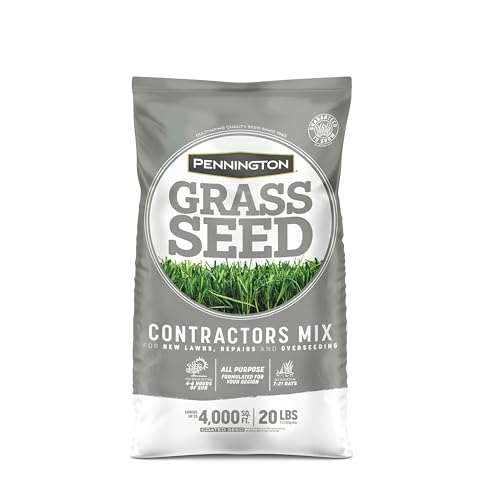
| Professional Grade | Intended Use: New lawns, overseeding, lawn repair | Grass Type / Blend: Southern grass seed mix (contractor tall fescue blend) | Sunlight Requirement / Tolerance: 4–6 hours daily sunlight (sun to partial shade) | VIEW LATEST PRICE | Read Our Analysis |
| Pennington Smart Seed Sun & Shade Tall Fescue (7 lb) |
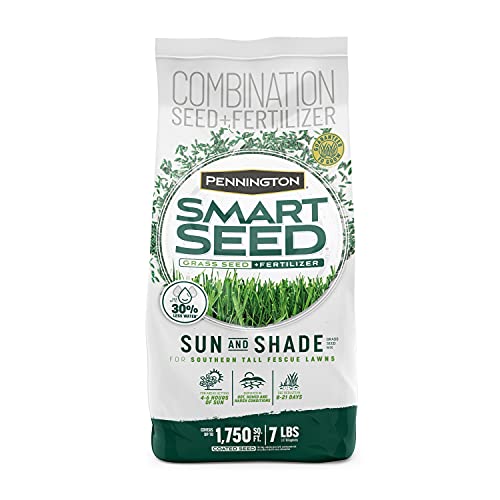
| Water-Saving Pick | Intended Use: New lawns and overseeding (sun & shade areas) | Grass Type / Blend: Tall fescue mix (Sun & Shade tall fescue) | Sunlight Requirement / Tolerance: 4–6 hours daily sunlight (sun & moderate shade) | VIEW LATEST PRICE | Read Our Analysis |
| Scotts Kentucky 31 Grass Seed Mix (Covers 5,000 sq ft) |

| Best for Coverage | Intended Use: New lawns and overseeding | Grass Type / Blend: Tall fescue blend (Premium Tall Fescue, Kentucky 31, Annual Ryegrass) | Sunlight Requirement / Tolerance: Full sun and moderate shade | VIEW LATEST PRICE | Read Our Analysis |
| Scotts Turf Builder Southern Gold Tall Fescue Seed |

| Starter + Soil Boost | Intended Use: New lawns and overseeding | Grass Type / Blend: Tall fescue blend (Southern Gold tall fescue) | Sunlight Requirement / Tolerance: Full sun and partial shade | VIEW LATEST PRICE | Read Our Analysis |
| Scotts Turf Builder Centipede Grass Seed & Mulch |

| Low-Maintenance Choice | Intended Use: New lawns and overseeding | Grass Type / Blend: Centipede grass seed mix | Sunlight Requirement / Tolerance: Full sun and light shade | VIEW LATEST PRICE | Read Our Analysis |
More Details on Our Top Picks
Pennington Contractors Grass Seed Mix Southern (20 lb)
In case you’re tackling a bigger lawn job or helping clients, pick the Pennington Contractors Grass Seed Mix Southern 20 lb because it’s built for professional use and makes large projects feel manageable. You’ll like how it’s made for new lawns, overseeding, and repairs, so you won’t need different bags for each task. It’s a regional mix customized to southern conditions and works well with 4 to 6 hours of sun. Expect quick, dense growth with results in 7 to 21 days. Since the 20 lb size covers moderate areas, you’ll save trips and keep projects moving smoothly.
- Intended Use:New lawns, overseeding, lawn repair
- Grass Type / Blend:Southern grass seed mix (contractor tall fescue blend)
- Sunlight Requirement / Tolerance:4–6 hours daily sunlight (sun to partial shade)
- Best Planting Seasons / Timing:(Implied) spring or fall for establishment (general contractor use)
- Coverage Information (bag-specific):20 lb bag (sized for contractor/larger projects) — moderate coverage (no specific sq ft listed)
- Drought / Heat Tolerance:Quick, dense growth; formulated for southern conditions (implies heat tolerance)
- Additional Feature:Contractor-grade packaging
- Additional Feature:Visible in 7–21 days
- Additional Feature:Region-specific blend
Pennington Smart Seed Sun & Shade Tall Fescue (7 lb)
Provided that you’ve got a Southern yard that sees both sun and shade, Pennington Smart Seed Sun & Shade Tall Fescue is often the smart pick because it’s built to handle hot, humid conditions while still doing well in partially shaded spots. You’ll see sprouts in about 8 to 21 days, and the seed’s fertilizer-enhanced coat helps it green up faster. Plant in early spring or early fall where turf gets 4 to 6 hours of sun. Once established it uses up to 30% less water and resists common diseases. Coverage fits overseeding or new lawns, and warranty help is available.
- Intended Use:New lawns and overseeding (sun & shade areas)
- Grass Type / Blend:Tall fescue mix (Sun & Shade tall fescue)
- Sunlight Requirement / Tolerance:4–6 hours daily sunlight (sun & moderate shade)
- Best Planting Seasons / Timing:Early spring or early fall
- Coverage Information (bag-specific):7 lb — new lawn ~580 sq ft; overseed up to ~1,750 sq ft
- Drought / Heat Tolerance:Very good drought tolerance; uses up to ~30% less water once established
- Additional Feature:Fertilizer-enhanced seed coat
- Additional Feature:Uses ~30% less water
- Additional Feature:NexGen-bred seed
Scotts Kentucky 31 Grass Seed Mix (Covers 5,000 sq ft)
Should you want a lawn that fills in fast and holds up to hot, dry summers, Scotts Kentucky 31 Grass Seed Mix is a strong choice because it blends quick-germinating annual ryegrass with durable tall fescues for both speedy cover and long-term toughness. You’ll plant in spring or fall once soil hits 60°F to 75°F and air is 65°F to 85°F. Seed can sprout in as few as five days, giving fast reassurance while fescues build density and drought resistance. It covers 1,665 sq ft for new lawns or 5,000 sq ft for overseeding. Use a Scotts spreader and follow label directions.
- Intended Use:New lawns and overseeding
- Grass Type / Blend:Tall fescue blend (Premium Tall Fescue, Kentucky 31, Annual Ryegrass)
- Sunlight Requirement / Tolerance:Full sun and moderate shade
- Best Planting Seasons / Timing:Spring or fall
- Coverage Information (bag-specific):20 lb — new lawn ~1,665 sq ft; overseed ~5,000 sq ft
- Drought / Heat Tolerance:Heat and drought tolerant once established
- Additional Feature:Includes Annual Ryegrass
- Additional Feature:Germinates in as few as 5 days
- Additional Feature:99% weed free
Scotts Turf Builder Southern Gold Tall Fescue Seed
Pick Scotts Turf Builder Southern Gold whenever you desire a low-fuss tall fescue that’s made for Southern yards and builds strong roots fast. You’ll get seed, fertilizer, and soil improver in a 2.4 lb bag so you can seed new lawn or overseed existing turf. It covers 200 sq ft for new lawns or 600 sq ft for overseeding. Plant in spring or fall once soil hits 60°F to 75°F and keep the surface moist until grasses reach about 2 inches. This Southern-bred tall fescue tolerates sun or partial shade, handles drought well, and rewards regular watering with thick, durable green lawn.
- Intended Use:New lawns and overseeding
- Grass Type / Blend:Tall fescue blend (Southern Gold tall fescue)
- Sunlight Requirement / Tolerance:Full sun and partial shade
- Best Planting Seasons / Timing:Spring or fall
- Coverage Information (bag-specific):2.4 lb — new lawn ~200 sq ft; overseed ~600 sq ft
- Drought / Heat Tolerance:Medium to high drought resistance
- Additional Feature:Includes soil improver
- Additional Feature:Root-Building Nutrition
- Additional Feature:Seed + fertilizer combo
Scotts Turf Builder Centipede Grass Seed & Mulch
Provided you want an easy-care lawn that handles sandy, acidic soil and hot southern summers, Scotts Turf Builder Centipede Grass Seed and Mulch is a smart choice for homeowners who want a low-maintenance yard that still looks good. You’ll like that it mixes seed with biodegradable mulch to protect seedlings and hold moisture. Apply in late spring or early summer once temperatures reach 70 to 90°F. A 5 lb bag covers 665 sq ft for new lawns or 2,000 sq ft for overseeding. Water daily until grass reaches about 2 inches, and use a Scotts spreader for even results.
- Intended Use:New lawns and overseeding
- Grass Type / Blend:Centipede grass seed mix
- Sunlight Requirement / Tolerance:Full sun and light shade
- Best Planting Seasons / Timing:Late spring or early summer (after frost risk passed)
- Coverage Information (bag-specific):5 lb — new lawn ~665 sq ft; overseed ~2,000 sq ft
- Drought / Heat Tolerance:Medium drought resistance
- Additional Feature:Seed plus mulch
- Additional Feature:Best for sandy/acidic soils
- Additional Feature:Biodegradable mulch material
Factors to Consider When Choosing Southern Grass Seeds
Whenever you pick southern grass seeds, consider about climate and hardiness initially so you don’t plant something that won’t survive your winters or summer heat. Also consider how much sun your yard gets and whether you need a shade versus sun mix, since sunlight and drought tolerance go hand in hand with soil type compatibility. These factors link together, so choosing seeds that match your soil and light will save you time and frustration later.
Climate And Hardiness
Because southern yards face hot summers and surprise cold snaps, you’ll want grass that’s matched to your local USDA hardiness zone and to the specific stresses in your neighborhood. Pick species rated for zones 7 to 9, where warm-season grasses thrive and some fescues work in transitional areas. Check heat and drought tolerance so your lawn survives long stretches above 85°F and dry spells without constant watering. Also weigh winter hardiness; choose varieties with minimum temperature ratings that handle brief freezes. In humid climates, prioritize disease resistance to common fungal problems like brown patch. Finally, match root depth and growth habit to your soil. Deep-rooted, drought-adapted grasses suit sandy, well drained yards and cut maintenance needs.
Sunlight Requirements
Start through mapping the light in your yard so you know where sun-loving grass will thrive and where shade-tolerant blends are a better bet. Walk your lawn at different times and take note of spots with full sun, partial sun, and deep shade. Most southern grasses need 4–6 hours of direct sun to look thick and resist drought. In case areas get less than four hours, pick shade-tolerant mixes or expect thinner turf and more weeds whenever you use sun varieties. Bear in mind microclimates under trees, near buildings, or on north slopes can cut usable sunlight. That affects seeding rate and how fast grass fills in. Plan for lower density and longer establishment in shady zones, and match seed choices to each mapped area for the best results.
Soil Type Compatibility
Soil type matters a lot, so take a minute to learn what’s under your feet before you buy seed. You’ll want to match grass to soil texture and pH. Sandy, acidic soils favor warm-season grasses like centipede and bermudagrass because they handle low fertility and fast drainage. In contrast, heavy clay needs grasses with strong roots and compaction tolerance. Loamy soils suit tall fescue and blends since they hold moisture and nutrients for deep roots. Should your yard stays wet, pick species that tolerate low oxygen and resist root rot rather than those needing dry ground. Also check pH; most turf prefers 5.5 to 7.0. Finally, ought soil is compacted or low in organic matter, combine wise seed choice with aeration and compost to get the best results.
Drought Tolerance Levels
While picking grass for a southern yard, consider about how it handles dry spells and how quickly it bounces back after a few weeks without rain. You want varieties that survive without constant watering and regrow after two to four weeks of stress. Look for deep rooted types because they reach moisture lower in the soil and use water more efficiently. Know that new seed is vulnerable and needs frequent moisture for the initial two to six weeks, but once established, drought tolerant lawns need less frequent, deeper watering. Some grasses go dormant and brown out, then recover once rain returns, so pick ones with proven recovery, not just temporary green color. Better bred cultivars can cut water use by around thirty percent.
Shade Versus Sun Mixes
After you’ve thought about drought tolerance and how your lawn will recover from dry spells, you’ll want to match seed mixes to the light your yard actually gets. Should you get 6 or more hours of sun, pick mixes made for heat and drought with coarser blades. They handle bright light and high temperatures. For 4 to 6 hours, choose sun and shade labeled blends or tall fescue mixes. They balance partial shade and sun so grass grows evenly. In spots under about 4 hours, use shade tolerant cool season or fine bladed varieties designed for low light to enhance germination and density. Whenever overseeding, match seeds to canopy light so you don’t create patchy areas. Also expect more disease and root competition in shade so pick resistant mixes and thin overhead growth.
Germination Speed Expectations
Grasping how quickly grass will sprout helps you plan watering, mowing, and patience, so you won’t feel frustrated unless your lawn looks thin initially. Expect big differences: annual ryegrass can pop up in about five days, while tall fescue and blends often take seven to twenty one days provided soil temps are ideal. Soil temperature matters, so check for the right range before seeding. Seed coatings, starter fertilizer, or light mulch help through holding moisture and improving contact, and that usually speeds and evens emergence. Keep in mind visible establishment trails germination; seedlings could show earlier but need weeks of steady moisture to grow. Stressors like drought, heat, poor seedbed contact, or heavy shade will slow or patch emergence, so prepare the site well.
Maintenance And Mowing
Usually, you’ll find that how you mow and care for your lawn matters as much as the seed you pick, so consider of maintenance as part of the seed choice. Whenever you choose warm season grasses like Bermuda or Zoysia, plan to mow at 1 to 2 inches. Should you pick tall fescue or centipede types, aim for 2.5 to 4 inches. Cut no more than one third of the blade and mow every 5 to 10 days during fast growth. Keep blades sharp and the deck clean so cuts heal quickly and disease risk drops. In drought or heat, raise the height and mow less often to save moisture. Leave short clippings as mulch unless thatch or disease forces removal.
Coverage And Seeding Rates
How you mow and care for the lawn affects how much seed you’ll need and where it will take hold, so consider of mowing choices as part of your seeding plan. Whenever you seed, decide whether you’re starting fresh or overseeding. New lawns need higher rates, often 6 to 10 lb per 1,000 sq ft for fine fescues and more for coarser types. Overseeding uses 1 to 4 lb per 1,000 sq ft depending on species. Check the seed label for lb per 1,000 sq ft or kg per ha and multiply according to your area, adding 5 to 10% for uneven ground. For blends, follow the blend rate, not each species. Steep slopes, poor soil, or erosion risk could require 10 to 25% extra or mulch to hold seed.