The best fertilizers for fruit trees feed both roots and soil so harvests grow bigger and sweeter each year. Top picks include Humboldts Secret MKP Bloom Enhancer, Wellspring Gardens Fig Fuel, a commercial 8-3-9 tropical blend, Miracle-Gro Fruit & Citrus Spikes, Farmer’s Secret Super Concentrated Fertilizer, and Jobe’s Organics options for fruit and citrus. Each works differently, so with a little guidance, anyone can match the right formula to their trees and climate for even better success.
| Humboldts Secret Monopotassium Phosphate MKP Bloom Booster |

| Best Bloom Booster | NPK Ratio: 0-52-34 | Primary Use: Bloom/fruiting booster for flowers, fruits, vegetables | Form Type: Water-soluble powder (MKP) | VIEW LATEST PRICE | Read Our Analysis |
| Wellspring Gardens Fig Fuel Water-Soluble Fertilizer |

| Best For Figs | NPK Ratio: 20-20-20 | Primary Use: General fertilizer for figs and fruiting plants | Form Type: Water-soluble powder | VIEW LATEST PRICE | Read Our Analysis |
| 16oz Fruit Tree Fertilizer Concentrate for Abundant Harvests |

| Liquid All-Purpose Pick | NPK Ratio: Balanced NPK with added Ca & Mg (exact ratio not stated) | Primary Use: Liquid feed for fruit trees and fruit plants | Form Type: Liquid concentrate | VIEW LATEST PRICE | Read Our Analysis |
| Commercial-Grade 8-3-9 Fertilizer for Tropical Fruit |

| Best For Tropicals | NPK Ratio: 8-3-9 | Primary Use: Granular feed for tropical fruit trees | Form Type: Dry granular fertilizer | VIEW LATEST PRICE | Read Our Analysis |
| Miracle-Gro Fruit & Citrus Plant Food Spikes |
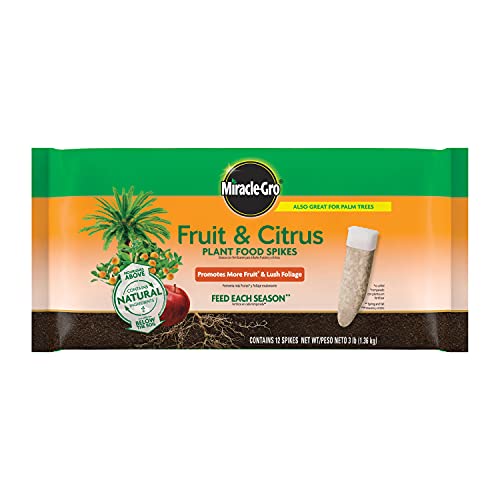
| Low-Maintenance Option | NPK Ratio: Not specified, fruit & citrus formulation | Primary Use: Spikes for fruit, citrus, and palm trees | Form Type: Solid fertilizer spikes | VIEW LATEST PRICE | Read Our Analysis |
| Farmer’s Secret Super Concentrated Fruit Tree Fertilizer |

| High-Potency Formula | NPK Ratio: Phosphorus-rich NPK (exact ratio not stated) | Primary Use: Early-season booster for all fruit trees | Form Type: Liquid concentrate | VIEW LATEST PRICE | Read Our Analysis |
| Jobe’s Organics Granular Fertilizer for Fruit & Citrus |

| Organic Citrus Choice | NPK Ratio: 3-5-5 | Primary Use: Granular organic feed for fruit & citrus plants/trees | Form Type: Dry granular fertilizer | VIEW LATEST PRICE | Read Our Analysis |
| Jobe’s Organics Granular Fertilizer for Fruit Trees |

| Organic Fruit Tree Pick | NPK Ratio: 3-5-5 | Primary Use: Granular organic feed for fruit & nut plants/trees | Form Type: Dry granular fertilizer | VIEW LATEST PRICE | Read Our Analysis |
More Details on Our Top Picks
Humboldts Secret Monopotassium Phosphate MKP Bloom Booster
Should you be cultivating fruit trees and truly desire more blossoms and larger, sweeter harvests, Humboldts Secret Monopotassium Phosphate MKP Bloom Improver can seem like the missing piece you’ve been searching for. You’re not just feeding trees. You’re guiding them into a strong, focused bloom stage.
This MKP blend gives your trees a significant lift of phosphorus and potassium. Phosphorus supports deep roots and stronger flower buds, while potassium improves nutrient uptake and stress resistance. You simply dissolve it in water, then apply with a watering can, irrigation, or spray. It suits soil, coco, or hydro, so your whole orchard can benefit.
- NPK Ratio:0-52-34
- Primary Use:Bloom/fruiting booster for flowers, fruits, vegetables
- Form Type:Water-soluble powder (MKP)
- Application Method:Mix with water for soil, hydroponic, drip, or foliar feeding
- Target Plants:Broad use—flowers, fruits, vegetables (including fruit trees)
- Organic / Synthetic:Synthetic, high-purity mineral fertilizer
- Additional Feature:High-purity MKP formula
- Additional Feature:Fully water-soluble powder
- Additional Feature:Enhances nutrient uptake
Wellspring Gardens Fig Fuel Water-Soluble Fertilizer
Should you be growing figs and want something simple that still feels “pro level,” Wellspring Gardens Fig Fuel Water-Soluble Fertilizer is a strong match for you. It gives your trees a strong 20-20-20 nutrient mix, so each feeding really counts. You’re getting about twice the nutrients of many basic fertilizers, which helps roots, leaves, and fruit all at once.
You just mix a tiny amount into warm water every week or two. Use 1/8 teaspoon for indoor figs, 1/4 teaspoon for outdoor pots, and 1/2 teaspoon for trees in the ground. The compact bag lasts a long time, so your figs stay consistently fed and happy.
- NPK Ratio:20-20-20
- Primary Use:General fertilizer for figs and fruiting plants
- Form Type:Water-soluble powder
- Application Method:Mix with warm water and water plants every 1–2 weeks
- Target Plants:Fig trees and other fruiting plants
- Organic / Synthetic:Conventional/synthetic water-soluble fertilizer
- Additional Feature:Fig-specific formulation
- Additional Feature:Twice typical nutrient strength
- Additional Feature:Expert-developed formula
16oz Fruit Tree Fertilizer Concentrate for Abundant Harvests
Should one be dreaming of bigger, sweeter harvests from apples, peaches, pears, blueberries, or dwarf fruit trees, this 16oz Fruit Tree Fertilizer Concentrate gives you an easy way to get there. You mix one small bottle to make up to 16 gallons of liquid food, so each purchase lasts through many feedings. Should you have a bigger orchard, the 32oz size stretches to 32 gallons.
You feed your trees nitrogen for rich green leaves, phosphorus for strong roots, and potassium for larger fruit. Calcium and magnesium support sturdy branches, fuller blooms, and more reliable, juicy crops. Use it every 1 to 2 weeks in the growing season, then every 4 weeks in fall and winter to keep steady growth and quality fruit.
- NPK Ratio:Balanced NPK with added Ca & Mg (exact ratio not stated)
- Primary Use:Liquid feed for fruit trees and fruit plants
- Form Type:Liquid concentrate
- Application Method:Dilute in water and apply to soil every 1–2 weeks
- Target Plants:Fruit trees and fruit plants (blueberries, apples, peaches, pears, dwarf trees)
- Organic / Synthetic:Conventional liquid fertilizer with macro & micronutrients
- Additional Feature:Makes up to 16 gallons
- Additional Feature:Addresses weak, pale growth
- Additional Feature:Includes essential micronutrients
Commercial-Grade 8-3-9 Fertilizer for Tropical Fruit
Should you grow tropical fruit trees and want professional results at home, a commercial-grade 8-3-9 fertilizer is one of the most reliable blends you can choose. This custom professional mix gives your trees balanced nitrogen, phosphorus, and potassium, plus magnesium, iron, and zinc, so you support both fast growth and long-term health.
You can use this 3 pound blend on mango, avocado, guava, lychee, and other tropicals, in containers or in the ground. Apply it in the initial spring to spark strong roots, lush leaves, rich flowering, and steady fruit set, then enjoy consistent nourishment all season.
- NPK Ratio:8-3-9
- Primary Use:Granular feed for tropical fruit trees
- Form Type:Dry granular fertilizer
- Application Method:Apply granules to soil, especially in early spring
- Target Plants:Tropical fruit trees, container and in-ground
- Organic / Synthetic:Commercial-grade synthetic granular blend
- Additional Feature:Custom professional blend
- Additional Feature:Ideal early-spring application
- Additional Feature:Suited to tropical species
Miracle-Gro Fruit & Citrus Plant Food Spikes
Miracle-Gro Fruit & Citrus Plant Food Spikes are a strong match for you should you want healthy fruit trees but don’t have time for constant feeding and mixing. You simply push the spikes into the soil, and they quietly do the work for you. That’s a big relief at a time life already feels full.
Each spike releases nutrients right in the root zone, where your trees actually drink them up. With regular use, you’ll often see more fruit and thicker, greener leaves compared to unfed trees. You only feed once each Spring and Fall, and they work for fruit, citrus, and even palm trees.
- NPK Ratio:Not specified, fruit & citrus formulation
- Primary Use:Spikes for fruit, citrus, and palm trees
- Form Type:Solid fertilizer spikes
- Application Method:Insert spikes into soil around root zone once per season
- Target Plants:Fruit, citrus, and palm trees
- Organic / Synthetic:Conventional spikes with natural ingredients included
- Additional Feature:Once-per-season feeding
- Additional Feature:Slow-release spike format
- Additional Feature:Contains natural ingredients
Farmer’s Secret Super Concentrated Fruit Tree Fertilizer
Farmer’s Secret Super Concentrated Fruit Tree Fertilizer is a great choice should you want strong, productive trees but don’t want to haul heavy bags or guess at complex feeding schedules. This liquid fertilizer comes in a small 32 ounce bottle, yet it’s packed with phosphorus and other key nutrients. You can use it on almost any fruit tree, like peaches, bananas, or apples, so you don’t need different products for each tree.
You simply mix one teaspoon into a gallon of water, then water along the drip line once a week. Young trees can handle up to five teaspoons weekly, while mature trees can use up to ten. Because the formula is extremely concentrated, a little truly goes a long way, which helps your budget and your storage space. It’s designed to feed trees right after dormancy and before budding, at the time they’re building strength for a heavy fruit set. The formula is scientifically developed and bottled in Kentucky, so you can feel confident about what you’re pouring around your trees.
- NPK Ratio:Phosphorus-rich NPK (exact ratio not stated)
- Primary Use:Early-season booster for all fruit trees
- Form Type:Liquid concentrate
- Application Method:Dilute in water and apply weekly along the drip line
- Target Plants:All fruit trees (e.g., peach, banana, apple)
- Organic / Synthetic:Conventional, scientifically formulated liquid fertilizer
- Additional Feature:Super-concentrated formula
- Additional Feature:Phosphorus-rich for budding
- Additional Feature:Focused on early growth
Jobe’s Organics Granular Fertilizer for Fruit & Citrus
Jobe’s Organics Granular Fertilizer for Fruit & Citrus is a great fit in the event that you want healthy fruit trees but also care about using safe, natural products around your home and family. You get a 4 pound bag made just for fruit and citrus, so it feels customized to your trees, not like a random all purpose mix. The 3-5-5 NPK ratio feeds leaves, roots, and fruit, helping trees grow strong and produce fuller harvests.
You simply shake on the granules every 4 to 8 weeks, work them into the soil, and water. It’s OMRI listed, so it’s free of synthetic chemicals and designed to limit runoff, mess, and bad smells.
- NPK Ratio:3-5-5
- Primary Use:Granular organic feed for fruit & citrus plants/trees
- Form Type:Dry granular fertilizer
- Application Method:Apply granules to soil every 4–8 weeks
- Target Plants:Fruit and citrus plants and trees
- Organic / Synthetic:Fully organic; OMRI listed, USDA approved
- Additional Feature:OMRI-listed organic product
- Additional Feature:Low-odor, low-mess granules
- Additional Feature:Reduces nutrient runoff
Jobe’s Organics Granular Fertilizer for Fruit Trees
Should you want an easy, truly organic fertilizer for your fruit or nut trees, this granular blend from Jobe’s Organics is made with you in mind. It gives your trees a steady 3-5-5 NPK feed, so they can grow strong trunks, lush leaves, and generous harvests without harsh chemicals.
You’ll like how simple it feels to use. The 4 pound bag is easy to measure, so you don’t stress about overfeeding. You just sprinkle it around the drip line every 4 to 8 weeks during the growing season, water it in, and let the roots slowly absorb nutrients.
- NPK Ratio:3-5-5
- Primary Use:Granular organic feed for fruit & nut plants/trees
- Form Type:Dry granular fertilizer
- Application Method:Apply granules to soil every 4–8 weeks
- Target Plants:Fruit and nut plants and trees
- Organic / Synthetic:Fully organic; OMRI listed, USDA approved
- Additional Feature:USDA-approved organic formula
- Additional Feature:Suitable for nut trees
- Additional Feature:Helps prevent over-fertilizing
Factors to Consider When Choosing Fertilizer for Fruit Trees
At the time someone selects a fertilizer for fruit trees, it assists to consider what the soil already has and what the tree still requires. Key factors include soil nutrient balance, the right NPK ratio, the age and size of the tree, and the timing for each growth stage. It is also essential to decide between organic and synthetic options, so the fertilizer fits both the tree’s needs and the gardener’s values.
Soil Nutrient Balance
Although fertilizer labels may appear confusing initially, soil nutrient balance is really about giving fruit trees the right mix of food, not just more food. At the point the soil is balanced, trees grow steady, strong, and calm instead of stressed or weak. Deficiencies or excesses quietly show up later as small, bland, or damaged fruit.
A true balance includes major nutrients like nitrogen, phosphorus, and potassium, along with quieter helpers such as calcium, magnesium, and iron. Soil testing provides a clear depiction of what is missing, what is too high, and where the pH sits, so any fertilizer choice can match real needs. Adding compost gently improves structure and nutrient holding power. Careful application prevents wasteful runoff and protects nearby soil and water.
NPK Ratio Needs
Balanced soil is only part of the story, because fruit trees also need the right mix of nutrients in each fertilizer, not just a random blend of numbers on the bag. Those numbers show the NPK ratio, which tells how much nitrogen, phosphorus, and potassium the product contains.
A balanced ratio like 10-10-10 usually works well, because it supports steady growth, plenty of blossoms, and reliable fruit set. As trees move into blooming and fruiting, a slightly higher middle number can help roots grow deeper and flowers hold better. The last number, potassium, quietly protects fruit quality, flavor, color, and disease resistance. Since apples, citrus, and stone fruits do not all need the same ratio, matching NPK to the specific fruit type becomes essential.
Tree Age and Size
Every fruit tree moves through clear stages of life, and each stage changes what it needs from fertilizer. A young tree, small and still getting established, usually needs more nitrogen to build strong trunks and branches. It also responds well to extra phosphorus, which helps roots spread and anchor the tree after planting.
As the tree becomes larger and more settled, its needs shift. A mature tree no longer focuses only on growth. It now needs a more balanced mix of nutrients to support blossoms, fruit, and recovery after harvest.
Size matters alongside age. A larger canopy and root system require more total fertilizer. Regularly noticing trunk thickness, branch spread, and general vigor helps guide how much and how often to feed.
Growth Stage Timing
Sometimes timing matters just as much as the type of fertilizer used on a fruit tree. The stage of growth quietly changes what the tree is hungry for, and at which times. Young trees focus on building leaves and branches, so they respond best to more nitrogen in the beginning of spring, just as new growth begins.
As trees mature, their needs shift. In late spring and the onset of summer, they use more phosphorus and potassium to support blossoms, fruit set, and fruit sizing. A careful feeding during flowering can lift both yield and flavor.
During winter dormancy, trees slow down, so fertilizing is usually light or skipped. Instead, many gardeners follow a steady schedule every 4 to 8 weeks in the growing season to keep nutrition consistent and stress low.
Organic vs. Synthetic
Choosing between organic and synthetic fertilizer can feel confusing, especially when someone just wants healthy, sweet fruit from a much-loved tree. In this choice, organic products, often USDA certified, rely on natural ingredients. They gently feed the tree while also building rich, vibrant soil. Over time, they enhance helpful microbes, which then release nutrients and support steady growth and flavor.
Synthetic fertilizers act differently. They deliver fast nutrients that can trigger quick growth, yet this rush sometimes leads to weak balance in the soil. With repeated use, the soil might lose structure and life, and excess nutrients can wash into waterways.
Organic fertilizers usually have lower nutrient levels, so they might need more frequent use, yet they strongly support long-term soil health and sustainability.
Application Method Choice
While looking at fertilizer options for fruit trees, the manner a product is applied matters almost as much as what is in it. The method affects how fast nutrients reach the roots, how evenly they spread, and how much effort care requires.
Granular fertilizers suit steady, low-stress care. A person simply spreads them around the drip line, then waters well. They decompose slowly, so trees receive a gentle, ongoing supply.
Liquid fertilizers feel more hands-on. They mix with water and can be poured at the base or used as a foliar spray. Because they absorb quickly, they help at times trees look stressed or need an enhancement.
Fertilizer spikes offer tidy, long lasting feeding near the root zone, which many busy gardeners appreciate.
Climate and Soil Type
How much do climate and soil really matter during the process of selecting a fertilizer for fruit trees? They matter a lot, and comprehending them can calm much of the guesswork and stress. In warm regions, trees often push harder to flower and fruit, so they usually benefit from fertilizers a bit higher in phosphorus and potassium to support strong blooms and sweet, firm harvests.
Soil type then shapes how long those nutrients actually stay put. Sandy soils lose nutrients quickly, so lighter, more frequent feedings help. Heavy clay holds nutrients longer, so slower release formulas often work better. Most fruit trees prefer slightly acidic to neutral soil, around pH 6.0 to 7.0, and good organic matter improves nutrient holding, particularly during seasons that bring heavy rain or heat.