Many people adore hoyas for their star-shaped blooms and sweet scent, yet they quietly question whether these plants even have seeds at all. The truth is, hoyas can form seeds, but the process is not as simple as it looks. Once someone understands how the flowers work, the mystery of pollination and seed pods starts to feel exciting instead of confusing, which is exactly where this guide begins.
Understanding How Hoyas Reproduce
To understand how hoyas reproduce, it helps to envision what happens to the plant over time, from new growth to flowers and sometimes even seeds. Initially, the vine stretches and forms new leaves. With the right light and care, it begins to form clusters of buds that later open.
Inside each flower, pollen must move so fertilization can happen. Hoyas do not show clear sexual dimorphism, yet each bloom still carries both male and female parts that must interact correctly.
Whenever fertilization succeeds, long seed pods slowly develop, often taking months. Inside, many tiny seeds form. These seeds can enter seed dormancy, waiting for warmth and moisture. Once conditions feel right, they wake up and can grow into new plants.
Anatomy of a Hoya Flower
Hoya flowers could look small and cute on the outside, but inside they are carefully built for making seeds.
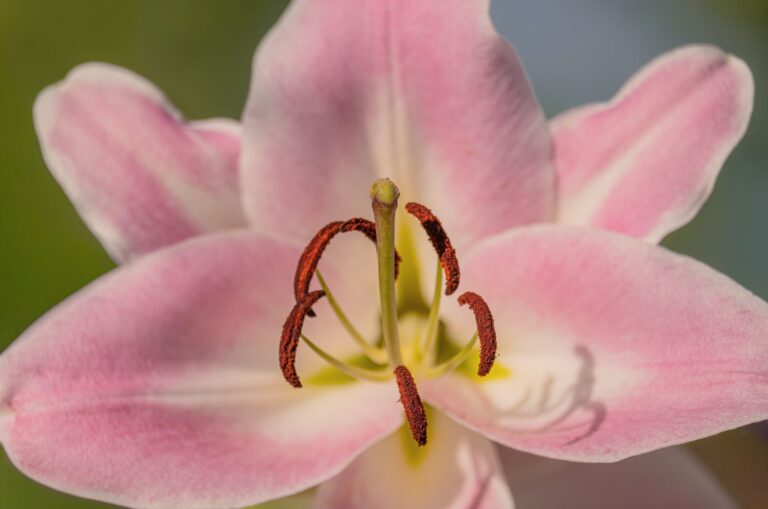
Whenever someone looks closely, the flower structure shows a star inside a star. The outer star is the corolla, often thick and slightly waxy. Whenever someone inspects it, the inner star is the corona, a raised crown that protects the most delicate parts.
At the center sits a tight column that holds the pollen. Around this column, special nectar glands release sweet liquid. This nectar collects in tiny pockets, so visiting insects do not slip.
Each part works together with clear purpose. Petals attract attention, the corona guides movement, and nectar glands reward visitors, all while guarding the fragile seed making organs.
Pollination: The Key to Seed Formation
Watching pollination in hoyas is like seeing a quiet team project between the flower and its tiny visitors.
Each blossom offers scent and nectar, and in return, an insect carries pollen from flower to flower.
Whenever pollen reaches the right spot, the plant can finally begin forming seeds.
Gardeners who want seed set pay close attention to timing, flower visitation rates, and even nectar composition analysis, because these factors shape how well pollen moves.
To guide their practice, they often focus on:
- Matching bloom time with peak insect activity
- Observing which insects visit most often
- Checking how nectar thickness affects visits
- Noting which flowers actually swell into pods afterward
Why Hoya Seeds Are Rare Indoors
Indoors, hoya seeds are rare because natural pollinators like moths and certain insects usually are not around to visit the flowers.
On top of that, the air, light, and temperature inside a home can stress the plant, so the timing for successful pollination and seed formation often does not line up.
As a result, many growers turn to other methods, such as stem cuttings and layering, to grow more hoyas without waiting for seeds.
Pollination Challenges Indoors
Step into a quiet household room filled with leafy vines, and it becomes clear why Hoya seeds are so rare there: the natural helpers that move pollen around are mostly missing.
In nature, tiny insects slip into the starry blooms, pick up sticky pollen, and accidentally carry it to another flower. Indoors, that chain is broken.
The flowers might open, smell sweet, and drip nectar, yet pollination still fails. Room airflow patterns can push scent and pollen away from likely visitors. The light range from common bulbs can also confuse blooming and nectar signals that would usually attract insects.
So, several small barriers stack up:
- Few or no pollinators
- Unhelpful airflow
- Distorting indoor light
- Isolated plants
Environmental Stress and Timing
Even supposing pollinators were doing a perfect job, Hoya plants indoors would still face another quiet problem: stress at the wrong time. Seed production depends on very specific microclimate triggers, and indoor rooms rarely line up with those signals.
In nature, light, temperature, and humidity shift in patterns that guide stress induced flowering. A brief dry spell, followed by warm moisture, could tell a Hoya it is time to bloom and set seed. Indoors, lights stay steady, thermostats hold one temperature, and drafts or heaters create random shocks. The plant receives mixed messages. It might bloom, but not at times when conditions support seed development. So timing slips, pods fail to form, and the Hoya survives, yet quietly skips the seed stage.
Alternative Propagation Methods
For many Hoya lovers, the real turning point comes once they find out that seeds are not the only way to grow a new plant. Since indoor blooms and pollination are rare, growers often turn to stem methods that feel more reliable and less stressful.
They learn to treat each vine as a quiet backup plan, especially in low light rooting setups where gentle, steady moisture supports new growth without strong sun.
To build real skill, many focus on:
- Stem cuttings in water for quick root checks.
- Stem cuttings in soil for stronger long term plants.
- Air layering basics using moist sphagnum on a still attached vine.
- Leaf node cuttings placed horizontally to awaken concealed buds.
Natural Pollinators vs. Hand Pollination
In the quiet of a warm evening, a hoya flower often waits for tiny visitors to help it make seeds. In its native habitat, native pollinators, like moths and small flies, slip in as gentle nocturnal visitors. They follow the rich scent, touch the sticky pollen, then carry it to another bloom.
In a home, though, these helpers are usually missing. Windows, walls, and distance keep natural pollinators away, so even a perfectly blooming hoya might never set seed. At this point, hand pollination becomes a careful stand in for nature. A grower steps into the role of the moth, moving pollen from flower to flower, so the plant can still form seed pods and pass on its unique genetics.
Step-by-Step Guide to Hand Pollinating Hoyas
Hand pollination steps in once natural helpers like moths and flies cannot reach hoya flowers, and it gives the grower a gentle way to guide the process.
With calm, steady hands, the grower can use simple pollen transfer techniques to move pollen from one bloom to another.
Here is a focused routine many growers follow whenever hand pollinating:
- Choose two fully open flowers on compatible plants, both fresh and dry, never wilted.
- Use a fine brush or toothpick to lift the sticky pollinia from the donor flower.
- Carefully place the pollinia into the receiving flower’s stigma slit, keeping movements slow and precise.
- Label the pollinated umbel with the parent names and date, so later growth can be tracked with confidence.
How to Recognize Developing Hoya Seed Pods
After a successful pollination, hoya seed pods begin as very small, green bumps where the flowers once were, and they can be easy to miss initially. As days pass, an attentive grower notices these bumps stretch into slim, horn like pods, often forming in pairs. The calyx color around the base usually deepens slightly, which helps separate true pods from spent blooms that will soon drop.
A grower can lightly feel the budding texture. Young pods feel firm and smooth, not papery or hollow. Over time, they lengthen, keep a steady green shade, and stay tightly closed.
| Feature | Young Stage | Later Stage |
|---|---|---|
| Size | Tiny bump | Long, slender horn |
| Budding texture | Firm, smooth | Slightly tougher, still tight |
| Calyx color | Fresh light green | Deeper, richer green |
Harvesting and Handling Hoya Seeds
Collecting hoya seeds can feel a bit nerve-wracking at initially, because the pods look delicate and the timing seems easy to get wrong. Yet with a calm approach, the process becomes predictable. A grower waits until pods start to split at the tip, then gently wraps them in a breathable bag so the silky seeds do not drift away.
Once pods open, careful handling protects the fine hairs on each seed. Those hairs help with moisture balance and can carry subtle germination inhibitors. So gentle touch really matters during cleaning and seed storage.
To keep everything organized, many gardeners:
- Label each batch according to parent plant
- Record the harvest date
- Dry seeds on clean paper
- Store in cool, airtight containers
Sowing Hoya Seeds for Successful Germination
Before a gardener sows hoya seeds, it helps to choose ones that are fresh, full, and clearly healthy.
From there, the way the seeds are placed, watered, and warmed will shape how quickly and strongly they sprout.
Through learning the ideal conditions for germination, a gardener can turn those tiny seeds into confident new hoya seedlings.
Choosing Viable Hoya Seeds
Choosing viable Hoya seeds starts with learning how to spot tiny signs of life concealed in each seed. Whenever someone holds a pod of silky seeds, it can feel exciting and confusing at the same time. Here, careful eyes and patient hands really matter, because seed storage and age affect both strength and germination timing.
A grower can quickly sort weak seeds from promising ones against checking a few details:
- Seed coat looks firm, not shriveled or cracked.
- Color stays even, usually tan to brown, without dark mold spots.
- Seeds feel slightly plump instead of paper thin.
- Fresh seeds, stored cool and dry, are used within a few months.
With these habits, each tiny seed carries real potential.
Ideal Conditions for Germination
Strong, healthy seeds are only the beginning; they also need the right place and care to actually wake up and grow.
For Hoya seeds, steady warmth matters most. They respond best whenever temperatures stay around 75 to 80°F with only gentle temperature fluctuations. Sudden chills slow the tiny root tip and can invite rot.
Moisture needs the same balance. The seed mix should feel like a wrung-out sponge, never dripping, never dusty dry.
Light, airy media protect oxygen flow and support helpful soil microbes that guard against disease. A clear humidity dome or plastic cover keeps conditions stable, while bright, indirect light signals the seed to grow.
At the point these factors line up, Hoya seedlings emerge stronger, faster, and far more reliably.
Seedlings vs. Cuttings: What’s the Difference?
Watching a tiny hoya seedling push out its initial leaves feels very different from seeing a cutting quickly grow roots in water, and that difference can shape how someone enjoys their plant.
Seedlings ask for patience, careful soil sterilization, and steady light.
Cuttings, especially leaf cuttings with a node, reward someone faster and feel more forgiving.
To really see the contrast, it helps to compare how each one behaves in daily care:
- Seedlings start slow, then gain strength as roots spread.
- Cuttings root quickly, so growth feels more immediate.
- Seedlings depend on perfect moisture balance and airflow.
- Cuttings tolerate small mistakes better, especially in chunky mix or water.
Genetic Diversity and New Hoya Hybrids
Seedlings and cuttings might grow in different ways, but both connect to something deeper happening inside every hoya: its genes.
Whenever a hoya grows from seed, two parent plants mix their DNA. This mix creates new traits in leaf shape, flower color, scent, and growth speed. That is where Hybrid vigor can appear, making seedlings stronger, faster, or more adaptable than either parent.
With careful crosses, growers guide this process instead of leaving it to chance. They pick parents for fragrance, compact vines, or rare patterns, then study the offspring.
Over time, some collectors even use basic Genetic mapping from shared records and photos to track which parents create specific traits, helping them design the next standout hoya hybrid.
Common Problems When Growing Hoyas From Seed
Tiny hoya seeds often bring big hopes, so it can feel discouraging once things go wrong initially. At the point this happens, growers often blame themselves, but the real problems are usually concealed in the mix of seed quality, moisture, and microbes.
Common issues tend to show up in patterns:
- Old or damaged seed coats act like germination inhibitors, so even perfect care does not wake the embryo.
- Excess moisture invites soil pathogens that rot tiny roots before they anchor.
- Cold, drafty spots slow metabolism, so seedlings stall and simply sit without growing.
- Heavy or compacted mixes block air at the roots, so seedlings wilt even as the surface looks moist.
With careful observation, each of these signals a clear adjustment instead of a failure.
Who Should Try Seed Propagation and Why
Seed propagation tends to fit growers who enjoy patience, curiosity, and a bit of mystery, because each Hoya seedling can grow with its own look and personality.
This method can offer real benefits, such as getting many plants at once, watching them grow from the very beginning, and sometimes seeing new traits that cuttings do not show.
However, it also asks for time, steady care, and good conditions, so some people might want to avoid seeds should they feel easily stressed, short on time, or worried about losing rare varieties.
Best Growers for Seeds
Many growers feel a special pull toward seeds whenever they are patient, curious, and ready for a bit of escapade.
The best growers for hoya seeds enjoy small details. They like comparing container choices, testing watering schedules, and noticing tiny changes day to day. Seed work suits people who find calm in quiet, steady progress rather than quick results.
These growers usually share a few traits:
- They track records on light, soil, and temperature.
- They feel comfortable adjusting watering schedules as seedlings grow.
- They enjoy experimenting with different container choices to improve root health.
- They accept that some seeds fail and still feel excited to try again.
With that kind of mindset, seed propagation turns into a rewarding, deeply personal trek.
Benefits of Seed Propagation
A grower who enjoys careful record keeping and quiet experiments is often the same person who feels drawn to starting hoyas from seed, and there are good reasons for that.
Seed propagation lets someone watch the whole life cycle from tiny speck to mature vine, which feels deeply rewarding.
This method speaks to people who love detail.
They can track germination hormones, light levels, and moisture, then adjust with calm, steady changes.
It also suits those curious about soil microbes and how living soil can enhance seedling strength over time.
Seed growing invites patience.
It gives space to slow down, learn from each tray, and notice small wins.
For many, that gentle, focused process feels just as worthwhile as the plants themselves.
When to Avoid Seeds
Sometimes, seed propagation simply does not fit a grower’s life, and that is completely okay. A person might love hoyas deeply and still choose to avoid seeds. This choice often comes from understanding their own limits and caring for their plants in a realistic way.
Some growers might avoid seeds whenever:
- They face strict climate limits that make stable warmth and humidity difficult.
- Their schedule is busy, so daily checks on tiny seedlings feel stressful, not joyful.
- They want reliable results and prefer the faster progress of cuttings.
- They collect rare hybrids and need exact clones, not genetic surprises.
In these moments, choosing cuttings over seeds is not quitting. It is protecting both the plants and the grower’s enthusiasm.