You often face common challenges in your container gardening. An incorrect balance between the plant and soil frequently causes these issues. Understanding the right ratios is a game-changer for your plants. It improves root development, nutrient absorption, and moisture management. This guide helps you master these essential ratios for 10 diverse container garden types. You will achieve thriving plants and beautiful displays in every container. Proper soil volume ensures your plants get enough nutrients for healthy growth.
Why Plant and Soil Ratios Matter
Root Health and Nutrient Uptake
You might wonder why specific plant and soil ratios are so important. These ratios directly impact your plants’ ability to thrive. Proper soil volume ensures roots have ample space to grow. Healthy roots absorb nutrients efficiently. Without enough soil, roots become cramped. Cramped roots struggle to find water and nutrients.
This limits your plants’ growth. A good ratio provides ample space for root expansion. It also allows for better nutrient uptake. This is crucial for successful container gardening. When roots are healthy, they can access all the necessary nutrients from the soil. This leads to stronger, more vibrant plants. The correct plant and soil balance prevents root bound conditions. It ensures your plants get the oxygen they need.
Water Management and Plant Stability
Water management is another key factor in container gardening. The right plant and soil balance helps with moisture retention. Too little soil in a container dries out quickly. This means you water your plants more often.
This can be inconvenient. Too much soil can hold excessive water. This leads to root rot, a common problem in gardening. An ideal ratio ensures proper drainage. It also provides consistent moisture for your plants. This balance is vital for retaining moisture in container gardening. It prevents both overwatering and underwatering.
Good moisture retention keeps your plants stable. It supports their structure within the container. This prevents them from toppling over. It also helps them access the necessary nutrients. Every container needs this careful consideration. The amount of soil directly affects plant health. This is true for any container. Your gardening efforts will be more rewarding with proper ratios.
Crafting the Best Soil Mixes for Container Gardening
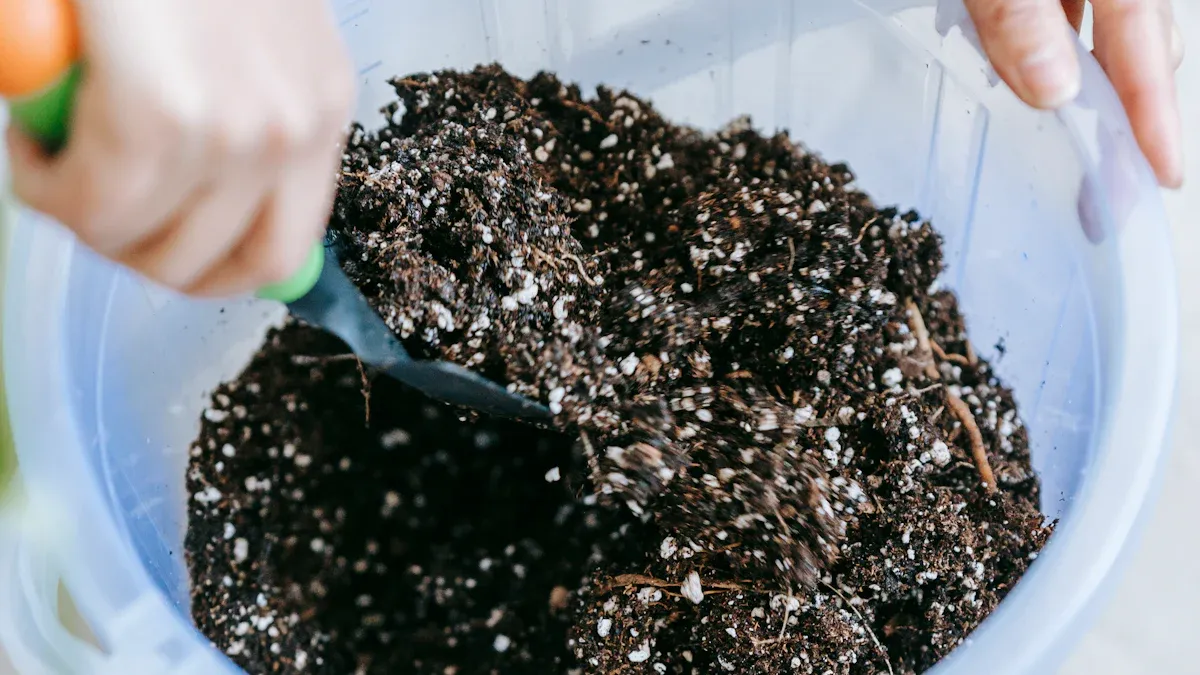
The Importance of Soil in Container Gardening
You understand the importance of soil in container gardening. It is the foundation for your plants’ health. Good soil provides essential nutrients. It also supports root growth. Without the right soil, your plants struggle. The soil in a container is different from garden bed soil. It needs to be lighter. It also needs to drain well. This prevents waterlogging. It also holds enough moisture for your plants. This balance is key for successful container gardening.
Selecting the Best Soil for Container Gardening
You need to select the best soil for container gardening. This choice directly impacts your plants’ success. Larger containers offer benefits. They provide more soil volume. This means you water less often. You can also create custom potting mixes. These mixes meet specific plant needs.
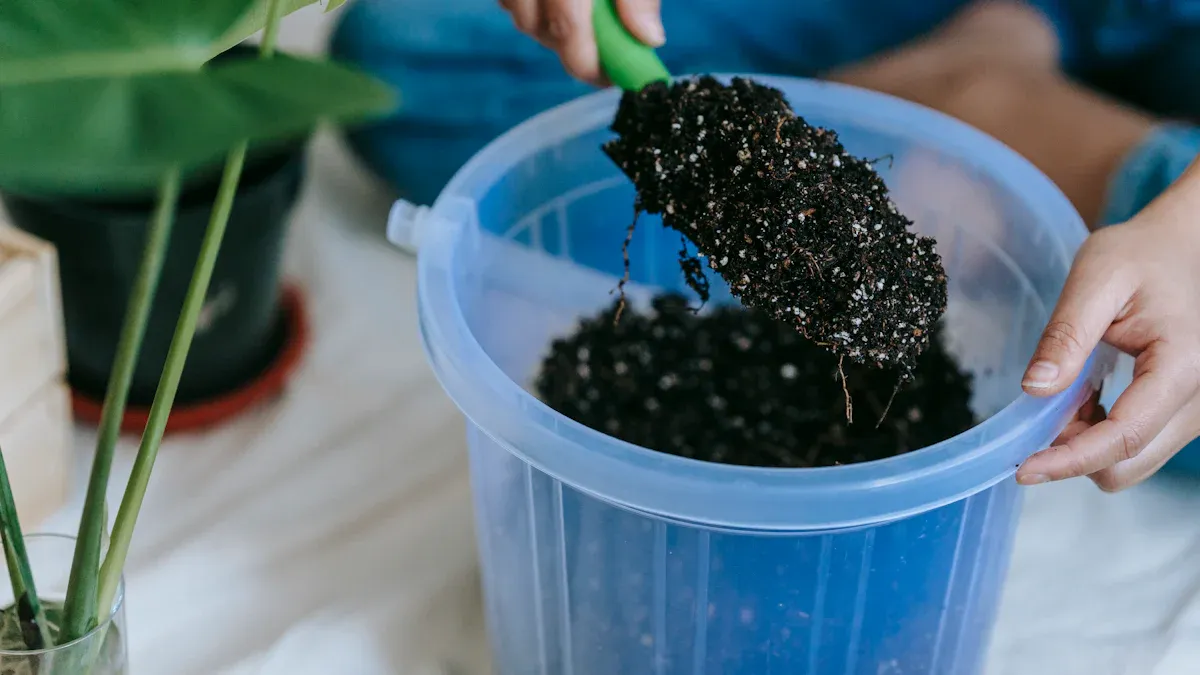
One excellent option is “Mel’s Mix.” This mix is a legendary soilless medium. It creates a perfect growing environment. It ensures consistency. This mix is 1/3 vermiculite, 1/3 peat moss, and 1/3 compost. It is fluffy and friable. It offers exceptional drainage. It also retains enough moisture. This prevents root rot. The balanced trio gives plants nutrients, aeration, and drainage. Mel’s Mix is light and nutrient-rich. It works for all kinds of container gardening. You can reuse it for many years.
It is also great for indoor growing. When you start seeds in Mel’s Mix, you do not need to fertilize. The compost provides young plants with necessary nutrients. This simplifies the process. Tony O’Neill, an expert gardener, says Mel’s Mix is a well-balanced, fertile, and adaptable soil blend. Zahid Adnan adds that its balanced composition ensures plants receive essential nutrients. It also maintains proper moisture levels.
Its lightweight nature is ideal for rooftop or balcony gardening. It reduces the risk of soil-borne diseases and weeds. This promotes a healthier growing environment.
You can also use a satisfactory mix. Combine two parts soil, two parts peat moss, and one part perlite. Add fertilizer and lime to this mix. Always incorporate 10-20% organic matter. Use compost, aged manure, or worm castings. This adds more nutrients. When you look for in container gardening soil, ensure it has good drainage. It also needs to hold nutrients. This is the best soil for container gardening.
Essential Ratios for Your Container Garden Success
You can achieve amazing results in your container garden by understanding specific plant and soil ratios. These guidelines help you create the perfect environment for various plants. You will see healthier growth and more abundant yields.
1. Herb Garden Ratios
Herbs thrive in containers when you give them the right conditions. For individual plants in small pots, a recommended ratio is 1:3 (plant:soil by volume). If you plant multiple herbs in a larger container, aim for a 1:2 ratio. This ensures each plant has enough space. You need a well-draining potting mix with compost for your herbs.
For outdoor container herb gardens, an all-purpose potting mix works well. It offers good nutrient content and moisture retention. You can also use a peat-free potting mix. This mix includes 1 part compost, 1 part OMRI listed coconut coir, and 1 part rice hulls or perlite. For indoor herb plants, choose a sterile, lighter, and moisture-retaining yet well-draining potting soil. A good indoor potting mix consists of 2 parts sterilized compost, 2 parts peat moss alternative, 1 part worm castings, 1 part perlite, 1 part vermiculite, and 1 part sand. The ideal pH for herb soil is acidic to neutral, between 6-7 pH. The best potting soil for herbs should be light and capable of retaining significant moisture. Pots tend to dry out quickly.
The soil must also drain well to prevent excess water. For indoor herbs, sterile soil is crucial. It avoids pest infestations from outdoor critters. Most soil ingredients lack active biology, except for compost. You can sterilize compost by baking it at 180°F for 30 minutes or buy it pre-sterilized.
2. Succulent & Cactus Display Ratios
Succulents and cacti need specific conditions to flourish in a container. You should use a 1:4 ratio (plant:soil by volume). This allows ample drainage space. The ideal soil type is a fast-draining succulent/cactus mix. In their natural habitats, succulents often grow in sandy, silty, or rocky soils. These soils have high mineral content and low organic matter. This suggests that ideal soil for container succulents should mimic these conditions. It needs mineral-rich composition and good drainage. Even commercial ‘cacti and succulent’ mixes can be too rich and retain too much water. You need amendments for optimal drainage.
Always use pots with drainage holes for long-term success with succulents. This prevents waterlogging and promotes healthy root growth. You need a gritty, well-draining soil that is at least 50% mineral materials by volume. This type of soil prevents over-watering and promotes healthy root growth. Bonsai Jack Succulent & Cactus Soil offers superior drainage. You can also make a DIY mix of one part organic materials to two parts mineral materials. Regular potting soil works if you amend it with mineral grit and water less frequently. Avoid peat-based mixes. Bonsai Jack Succulent & Cactus Soil is super light and gritty. It has large pores that prevent excessive water retention. It is nearly impossible to over-water plants when using this soil in a container with drainage holes.
This makes it valuable for succulent newcomers or those who tend to over-water. The soil’s composition includes calcined clay and fine particles of pine bark. To make a balanced succulent soil, mix one part organic materials with two parts mineral materials. Mineral materials should make up two-thirds of the total volume. Use coarse grit like builder’s sand, not beach sand. Perlite is good for lightness and airiness.
Avoid vermiculite, which retains moisture. Mix gravel (1/8″ to ¼” particle size) into the soil. Do not layer it at the bottom of pots without drainage holes. Other mineral possibilities include diatomaceous earth, chicken grit, decomposed granite, and non-soluble cat litter or oil dry (calcined moler clay).
3. Edible Salad Bowl Ratios
Creating an edible salad bowl in a container garden is rewarding. For dense planting, use a 1:2 ratio (plant:soil by volume). You need a rich, moisture-retentive potting mix. Ensure a minimum depth of 6-8 inches for shallow-rooted plants like lettuce and radishes. Leaf lettuce can grow well in one-gallon containers. Baby pools, approximately 8 inches deep soil-wise, have been successfully used for lettuce and other greens. This depth provides enough room for roots to establish.
4. Tomato Plant Ratios
Tomato plants need ample space and nutrients to produce fruit. For a single determinate plant in a large container, use a 1:5 ratio (plant:soil by volume). The ideal soil type is a loamy, well-draining potting mix with added organic matter.
Use potting media specifically labeled for larger pots. Ideal mixes often contain composted pine bark blended with peat moss and perlite. Other suitable bulking agents include coir, peanut shells, and rice hulls. Avoid mixes high in peat moss. They can compress, reducing root mass and water retention.
Always use a quality ‘soilless’ potting mix for container vegetables. Garden soil is not recommended. It compacts easily, dries out quickly, drains poorly, and may contain weed seeds and diseases. Soilless mixes typically consist of a water-holding organic material (like peat or coir) and an inorganic component for drainage and pore space (like perlite or vermiculite). These mixes are lightweight, retain moisture, and shed excess water efficiently. Happy Frog from Foxfarm is a recommended potting soil.
Black Gold Organic Potting Soil also performs well in containers. Both peat-based and coir-based mixes (like Foxfarm’s Coco Loco) are effective. Interspersing potting soil with cottonburr compost is not recommended. It leads to excessive moisture retention and increased container weight. A mix of landscapers mix and compost is also not ideal. It can become waterlogged and heavy, retaining too much moisture.
5. Strawberry Planter Ratios
Strawberries are perfect for container gardening. For each pocket or level in a strawberry planter, use a 1:3 ratio (plant:soil by volume). You need a slightly acidic, well-draining potting mix. Container-grown strawberries require well-drained soil. A 50-50 blend of high-quality potting mix and compost is recommended. This specific blend helps your plants thrive.
6. Flowering Annuals Ratios
Flowering annuals bring vibrant color to your container garden. For vibrant displays, use a 1:2 ratio (plant:soil by volume). A general-purpose potting mix with good aeration is ideal. While you can reuse container soil for annuals if previous plants were healthy and disease-free, it is good practice to refresh containers with new potting soil and fertilizer each season. For container-grown flowering annuals, use a soil-free potting mix. Its light and fluffy consistency allows for better oxygenation and nutrient delivery to the plant roots.
7. Dwarf Citrus Tree Ratios
Dwarf citrus trees can grow beautifully in a container. For long-term growth, use a 1:6 ratio (plant:soil by volume). You need a slightly acidic, well-draining citrus potting mix. For container-grown dwarf citrus trees, the ideal soil type must be free-draining. Espoma’s Organic Cactus Mix is highly recommended. Avoid soils high in organic matter. These can decompose, become compacted, and retain too much water. This can lead to root rot for your plants.
8. Fairy Garden Ratios
Fairy gardens focus on aesthetic balance. The plant and soil ratio varies. Typically, use 1:4 to 1:6 for small plants and features. You need a fine-textured potting mix suitable for miniatures. For container fairy gardens, use high-quality potting soil. Choose the specific type based on the plants’ needs. For example, an organic black gold potting soil with fertilizer works for general container fairy gardens. Cacti require a different, drier soil. For large-scale outdoor miniature gardens, a mix of existing topsoil and organic compost is suggested. The outdoor soil type (loamy, sandy, or clay) varies by location. You should choose plants to suit these conditions.
9. Potato Grow Bag Ratios
Potato grow bags make growing potatoes easy. Use a 1:8 ratio (plant:soil by volume). This allows for hilling as the potatoes grow.
You need a loose, well-draining, fertile potting mix. Loose soil is preferred. Potatoes can grow in various soil types, including rich or sandy soil, and even straw. Heavy clay soil is not ideal. Rich garden soil amended with worm castings and compost is recommended. You need a loose, nutrient-rich mix that retains moisture without becoming waterlogged. Achieve this by blending equal parts coconut coir and compost. This ensures good moisture retention.
10. Shade-Loving Foliage Ratios
Shade-loving foliage plants create lush displays in low-light areas. For lush growth, use a 1:4 ratio (plant:soil by volume). You need a humus-rich, moisture-retentive potting mix. For container-grown shade-loving foliage plants, use high-quality potting soil. Replenish this soil annually to maintain optimal growing conditions for your plants.
General Tips for Thriving Container Gardens
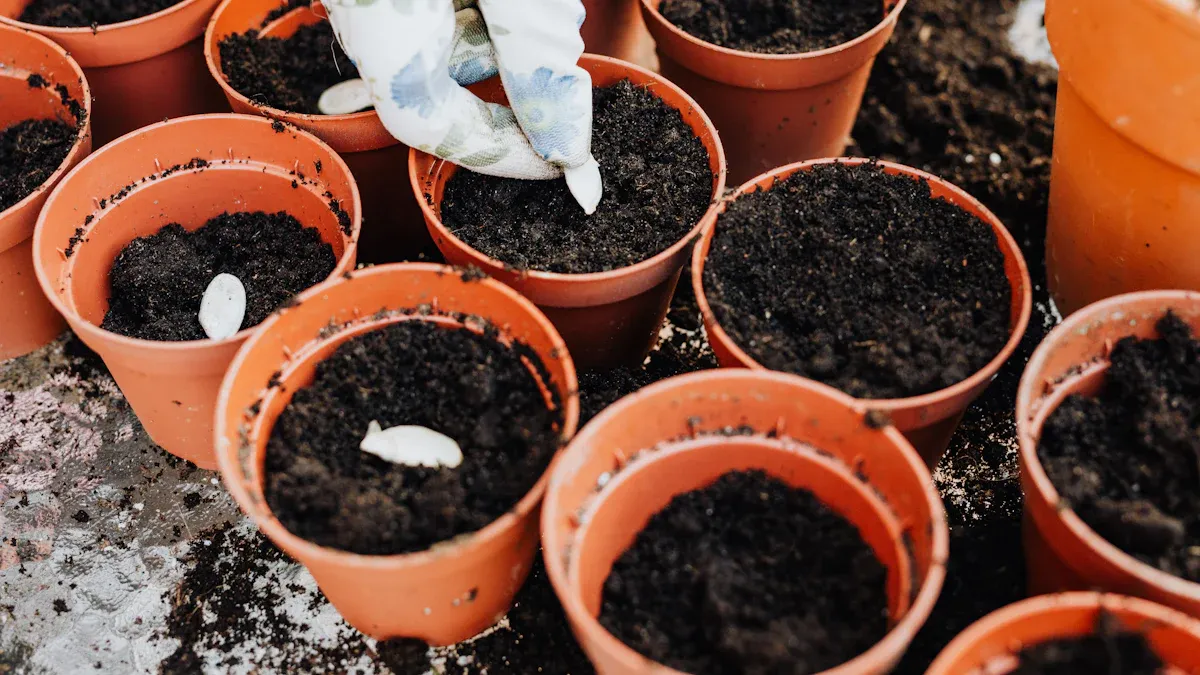
You can make your container garden flourish with a few key practices. These tips help ensure your plants stay healthy and productive. Mastering these basics improves your overall gardening success.
Choosing the Right Container
Selecting the correct container size is vital for your plants. The size directly impacts root growth and moisture levels. Match the container to the number of plants you want to grow.
A 10″ to 12″ container is suitable for 3-4 plants.
A 14″ to 16″ container is suitable for 5-7 plants.
A 16″ to 20″ container is suitable for 6-9 plants.
Larger containers offer more space for roots. They also help with retaining moisture in container gardening. This means less frequent watering for your container garden.
Drainage and Watering Techniques
Proper watering is essential for any container. You must prevent both overwatering and underwatering. Olla watering systems use unglazed clay pots. These pots release water slowly to plant roots. This method prevents waste and promotes strong roots. Drip irrigation systems also deliver water directly to roots. You can use a timer with these systems for consistent moisture.
Here are more watering tips for caring for your container garden:
Check Soil Moisture: Feel the soil with your finger. Water if it feels dry up to your second knuckle. This prevents overwatering.
Water Deeply: Water until you see drainage from the bottom. This hydrates the entire root system.
Water in the Morning: This reduces evaporation. It also allows foliage to dry before night.
Understand Plant Needs: Different plants need different amounts of water. Adjust your watering for each plant.
Choose Appropriate Containers: Terracotta dries faster. Plastic or glazed containers hold moisture longer.
Fertilization and Light Exposure
Your plants need the right amount of light to thrive. Most container garden plants need ample warm summer sunshine. Observe your plants for signs of too little or too much light.
Signs of insufficient light include:
Leggy stems with small leaves.
Stunted or paused growth.
Lack of blooms.
Plants leaning towards a light source.
Signs of excessive light include:
Bleached, scorched, or washed-out leaves.
Adjust your container’s location based on these observations. Proper light ensures healthy growth and vibrant displays. Consistent fertilization also supports your plants. Follow product instructions for feeding your container garden. This is part of caring for your container garden.
Mastering plant-to-soil ratios is a foundational skill for any successful container garden. You apply these specific guidelines for various plants. Combine them with optimal soil mixes. This leads to healthier, more vibrant, and more productive plants in your container. Experiment with these ratios in your gardening efforts. Observe the positive impact on your plants. This fosters confidence and success in your container gardening. Your next container project will thrive.