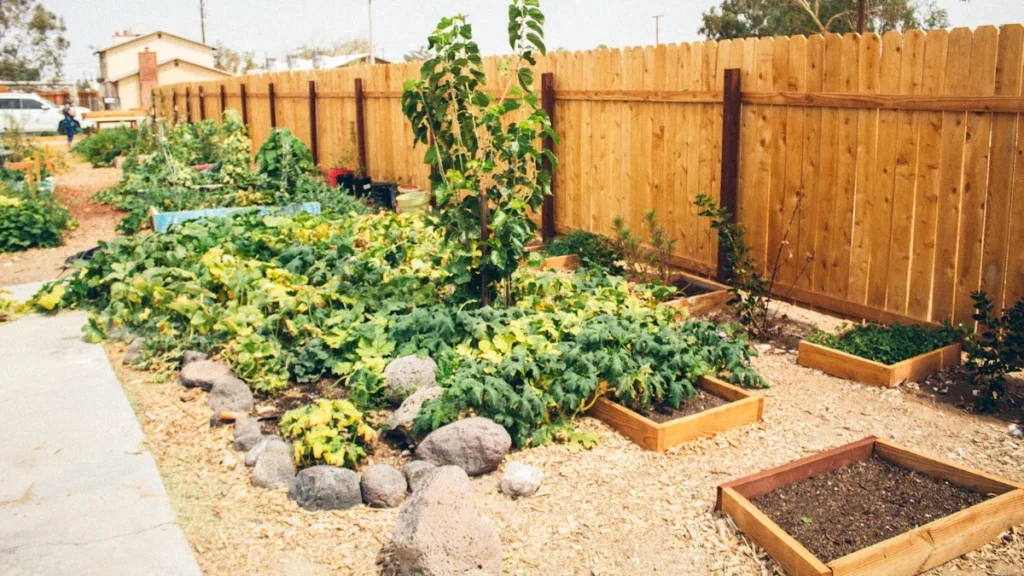
You can start growing your own food right in your backyard, even if this is your first vegetable garden. Many people across the country already do the same:
- Over 43% of Americans grow vegetables at home.
- Home gardening is popular in 77% of households.
You’ll find that vegetable gardening for beginners brings more than just fresh taste. Look at some of the amazing benefits:
| Benefit Type | Description |
|---|---|
| Health Improvement | Increases fruit and vegetable intake, supports physical activity, and boosts mental health. |
| Social Connections | Helps you meet new people and feel part of your community. |
| Emotional Well-being | Reduces stress and makes you feel good. |
Imagine stepping outside and picking Easy Vegetables you grew yourself. You’ll save money, eat healthier, and have fun every step of the way.
Key Takeaways
- Growing your own vegetables boosts health, saves money, and connects you with your community.
- Start with easy vegetables like lettuce, radishes, and green beans for quick success in your garden.
- Ensure your plants get enough sunlight, water, and good soil to thrive and produce a bountiful harvest.
Lettuce
Why Easy to Grow
Lettuce stands out as one of the easiest vegetables you can grow in your backyard. You do not need much experience to get started. This vegetable grows fast, so you can enjoy fresh salads in just a few weeks. Lettuce adapts to many types of soil and does not need much care once it starts growing. Take a look at what makes lettuce so easy to grow:
| Characteristic | Description |
|---|---|
| Fast Growth | Lettuce grows quickly, allowing for rapid harvesting. |
| Adaptability | It can thrive in various soil conditions, making it suitable for different gardening environments. |
| Low Maintenance Requirements | Requires minimal care once established, making it ideal for beginners. |
Planting Tips
You can start planting lettuce seeds right in the ground or in containers. Make sure the soil is loose and rich in nitrogen. Lettuce likes plenty of water because its roots are small. Try to keep the soil moist but not soggy. You can even grow lettuce in partial shade, which makes it perfect if your garden does not get full sun all day. Here are some quick tips for planting and growing lettuce:
- Prefers cool temperatures between 45 and 75°F
- Thrives in slightly acidic, loose, nitrogen-rich soil
- Needs regular watering and nutrition
- Grows well in partial shade
Best Season
Lettuce loves cool weather. You should plant it in early spring or fall when the temperatures stay mild. Hot weather can make lettuce taste bitter or cause it to bolt, which means it will flower and stop growing leaves. If you want a steady supply, plant new seeds every couple of weeks during the cool season. Soon, you will have a steady harvest of easy vegetables right from your backyard.
Radishes
Easiest Vegetables to Grow
Radishes might be the easiest vegetables to grow in your backyard. You do not need much experience to get started. Many gardeners love radishes because they are quick and simple. Here’s why you should try growing them:
- Radishes are the fastest-growing vegetable, perfect for beginners.
- You only need to give them a little care.
- They can adapt to many different growing conditions.
You can see results fast. Most radishes are ready to harvest in just a few weeks. Take a look at how they compare to other vegetables:
| Vegetable Type | Days to Harvest |
|---|---|
| Radishes | 21-30 days |
| Daikon Radishes | 49-70 days |
| Lettuce | 30-60 days |
| Carrots | 70-80 days |
How to Plant
You can plant radish seeds right in the ground. Pick a sunny spot in your garden. Loosen the soil so the roots can grow easily. Make shallow rows and drop the seeds about an inch apart. Cover them with a thin layer of soil. Water gently. Radishes do not need much space, so you can fit them between other plants. Keep the soil moist, but do not let it get soggy.
Tip: Radishes grow best when you keep the soil loose and free of rocks.
When to Sow
You can start planting radishes early in the growing season. Sow seeds as soon as the soil is workable in spring. Radishes like cool weather, so you can plant them again in late summer for a fall harvest. If you want a steady supply, sow new seeds every week or two. You will enjoy fresh radishes all season long.
Green Beans
Easy Vegetables for Beginners
Green beans make a fantastic choice if you want easy vegetables for your backyard. You do not need much experience to get started. These beans reward you quickly and do not ask for much attention. Here are some reasons why you should try to grow green beans:
- Green beans are easy to grow and need little care.
- They sprout fast, so you see results soon.
- These plants help your soil by adding nitrogen, which helps future vegetables.
- You can use green beans in many dishes, and they are packed with nutrients.
You will feel proud when you see your first green bean pods hanging from the plants!
Planting Guide
You can start planting green beans after the last frost. Pick a sunny spot in your garden. Loosen the soil and make shallow rows. Drop the seeds about two inches apart and cover them with soil. Water the area gently. Green beans do not like wet feet, so make sure the soil drains well. You can choose bush beans or pole beans. Bush beans grow in small, tidy plants. Pole beans need a trellis or support, but they keep growing taller and give you more beans.
Here is what you can expect from each type:
| Type of Green Bean | Yield per Plant |
|---|---|
| Bush Beans | 0.5 pounds |
| Pole Beans | 1 pound |
Growing Season
Green beans love warm weather. The best time to grow them is late spring through summer. The growing season lasts until the first frost in fall. You can plant new seeds every few weeks for a steady harvest. Watch your plants grow, and soon you will pick fresh beans right from your backyard.
Zucchini
Why Easy to Grow
Zucchini stands out as one of the easy vegetables you can add to your backyard garden. You do not need much experience to succeed with this plant. Zucchini grows fast and gives you a big harvest, even if you only plant a few seeds. Take a look at what makes zucchini so easy to grow:
| Trait | Description |
|---|---|
| Adaptability | Zucchini can grow in many different conditions. |
| High Yield | Each plant gives you lots of fruit all season. |
| Ease of Harvesting | You can pick zucchini easily, right off the plant. |
| Disease Resistance | Zucchini usually stays healthy and resists common plant diseases. |
| Soil Requirements | It grows well in average garden soil, so you do not need anything special. |
You will love how much zucchini you can pick from just a few plants. Some green varieties, like Paycheck and Felix, can give you up to 9 pounds per plant during the growing season. If you harvest daily, you will avoid oversized fruit and enjoy the best taste.
Planting Steps
You can start growing zucchini after the last frost. Zucchini likes warm soil, so wait until the weather feels steady. Follow these steps for planting:
- Sow seeds directly in the ground for strong roots.
- Space each seed 18 to 24 inches apart.
- Make sure your plants have good air flow to stay healthy.
- Water regularly, but do not let the soil get soggy.
Tip: Zucchini grows best when you pick the fruit often. This keeps the plant producing more vegetables.
Best Time
The best time to grow zucchini is late spring through summer. Zucchini loves warm days and plenty of sunshine. Start planting when the danger of frost has passed. You will see your plants growing quickly, and soon you will have fresh zucchini ready to pick.
Spinach
Easy-to-Grow Vegetables
Spinach is one of those easy-to-grow vegetables that you can count on for a quick and healthy harvest. If you want to try growing leafy greens, spinach is a smart pick. You do not need much experience to succeed. Many gardeners love spinach because it grows fast and does not need much fuss. Take a look at why spinach is perfect for beginners:
| Reason | Description |
|---|---|
| Ease of Growth | Spinach is simple to cultivate, making it ideal for novice gardeners. |
| Nutritional Benefits | It is rich in essential vitamins and minerals, contributing to a healthy diet. |
| Versatility in Cooking | Spinach can be used in various dishes, enhancing its appeal for those new to gardening. |
You get a lot of nutrition from spinach. It is packed with vitamins A, C, and K, plus folate and iron. Spinach is high in fiber, which helps your digestion. Eating spinach can even help boost your natural immunity.
Planting Basics
You can start growing spinach by sowing seeds directly into your garden soil. Pick a spot that gets some sun but stays cool during the day. Loosen the soil and sprinkle the seeds about half an inch deep. Keep the rows about a foot apart. Water the area gently to keep the soil moist. Spinach likes rich, well-drained soil. You will see tiny leaves pop up in just a week or two.
Tip: Thin out the seedlings so each plant has space to grow big and healthy.
Cool Season
Spinach loves cool weather. The best growing season for spinach is early spring or fall. Hot weather makes spinach bolt, which means it will stop making leaves and start making seeds. If you want a steady supply, plant new seeds every couple of weeks during the cool season. You can enjoy fresh spinach in salads, smoothies, or cooked dishes all season long.
Here are some fun ways to use your spinach harvest:
- Add fresh leaves to salads.
- Blend spinach into smoothies for extra nutrition.
- Cook spinach in soups or casseroles.
Growing spinach gives you a tasty and healthy reward in just a few weeks. Try it, and you will see why so many gardeners love this leafy green.
Carrots
Why Easy
Carrots are one of the easiest vegetables you can grow in your backyard. You do not need fancy tools or much experience. Carrots thrive in many conditions and do well in different types of soil, as long as it drains well. You can sow carrot seeds right into your garden, so you do not have to start them indoors. Even if you forget about them sometimes, carrots still grow well. Here are some reasons why carrots are a great choice:
- Carrots like sunny spots and loose, sandy soil.
- You can sow seeds directly in the ground, which makes things simple.
- Carrots need little care and can handle a bit of neglect.
Tip: Carrots do best when you leave their roots undisturbed. Try not to move them once they start growing.
Sowing Tips
You can start planting carrots as soon as the soil is workable in spring. Carrot seeds are tiny, so sprinkle them lightly and cover with a thin layer of soil. Keep the soil moist, but not soggy, while you wait for them to sprout. Sometimes, carrot seeds take up to three weeks to germinate, so be patient. If you see too many seedlings close together, thin them out so each carrot has about two inches of space. This helps them grow big and straight.
Common challenges and how to fix them:
- Patchy germination: Keep the soil moist and do not plant seeds too deep.
- Small or deformed carrots: Use loose, well-drained soil and remove rocks.
- Crowded seedlings: Thin them out for better growth.
Harvest Time
The growing season for carrots lasts from spring to early fall. Most carrots are ready to harvest in about 60 to 80 days. You will know they are ready when the tops peek out of the soil and look thick. Gently pull them up and enjoy the sweet, crunchy taste. Carrots store well, so you can keep them in the fridge for weeks. Growing your own carrots means you always have fresh, healthy vegetables on hand.
Cucumbers
Easy to Grow
Cucumbers make a great choice if you want to grow vegetables without much trouble. You can grow them in the ground, in raised beds, or even in containers on your patio. These plants adapt well to different planting methods, so you do not need a big yard. You will see results quickly, which feels rewarding when you are just starting out. Here are some reasons why cucumbers are reliable for new gardeners:
- Cucumbers thrive in warm weather and love sunshine.
- You can grow bush or vine types, depending on your space.
- Vining cucumbers do well on trellises, which helps keep the plants healthy.
- Compact varieties fit nicely in pots, perfect for small spaces.
- You can grow cucumbers alongside other vegetables and herbs.
You will enjoy picking fresh cucumbers in just a few weeks after planting.
Planting Advice
Start by picking a sunny spot for your cucumbers. Make sure the soil drains well. If you choose vining types, set up a trellis to help the plants climb. This keeps the fruit clean and makes picking easier. Water your plants often, especially during hot days. Mulch around the base to keep the soil moist. If you use containers, pick a compact variety and make sure the pot has good drainage.
Here is what you can expect from different cucumber varieties:
| Cucumber Variety | Average Yield (Fruits per Plant) |
|---|---|
| Slicing Cucumbers | 8 to 10 fruits |
| Small-fruited Varieties | 12 to 15 fruits |
| English-type Cucumbers | 7 to 9 fruits |
| Lemon Cucumbers | 15 fruits |
Tip: Harvest cucumbers often to keep the plants producing more fruit.
Warm Season
Cucumbers love the warm growing season. Wait until the danger of frost passes before you plant seeds or seedlings. The soil should feel warm to the touch. You will notice your plants growing fast once the weather heats up. Growing cucumbers in the summer gives you crisp, cool snacks all season long. Try adding them to salads or eat them fresh for a tasty treat.
Peas
Easiest Vegetables to Grow
Peas are one of the easiest vegetables to grow in your backyard. You do not need much space or special tools. Many gardeners love peas because they sprout quickly and do not need much care. Here is why peas make a great choice for beginners:
- You can plant peas as soon as the soil is workable, even before the last frost.
- Seeds germinate fast, usually in 5 to 14 days, so you see results quickly.
- Peas thrive in small gardens and containers.
- They do not need heavy feeding. A little compost at the start is enough.
- Peas grow well in cool weather and can handle a light frost.
Tip: Peas like well-drained soil with a pH between 5.8 and 7.0. You do not need to soak the seeds before planting.
Planting Tips
You can start planting peas early in the year. Pick a spot with full sun and loose soil. Make shallow trenches and drop the seeds about one inch deep. Space them a few inches apart. Water gently to keep the soil moist but not soggy. Peas do not need much fertilizer. Just mix in some compost before you plant. You can use a trellis or sticks to help the vines climb. This keeps the plants healthy and makes picking easier.
Best Season
Peas love cool weather. You can plant them in early spring, about 4 to 6 weeks before the last frost. For a fall crop, plant peas 6 to 8 weeks before the first frost. Here is a quick guide:
| Planting Season | Timing |
|---|---|
| Early Spring | 4 to 6 weeks before the last spring frost |
| Late Summer / Early Fall | 6 to 8 weeks before the first fall frost |
The growing season for peas is short, so you can enjoy fresh pods in just a few weeks. Try growing peas this year and taste how sweet homegrown vegetables can be!
Arugula
Easy Vegetables for Salad
If you want to add a peppery kick to your salads, arugula is a top pick. You can grow this leafy green even if you are new to gardening. Many people love arugula because it is simple and fast. Here’s why you should try growing arugula in your backyard:
- Seeds sprout quickly, even when the soil is still cool.
- You can plant arugula before the last frost since it tolerates cold.
- Arugula needs little care and rarely has pest problems.
You will find that arugula fits perfectly with other easy vegetables. It brings fresh flavor to your meals and grows well in small spaces.
How to Plant
Start by picking a sunny or partly shaded spot. Loosen the soil and sprinkle the seeds in rows or scatter them for a wild look. Water gently to keep the soil moist. You do not need to fuss over arugula. It grows fast and fills in gaps between other plants. After planting, you will see tiny leaves pop up in just a few days.
Tip: Harvest young leaves for the best taste. Older leaves can taste stronger.
Here’s how fast you can enjoy your arugula:
| Growth Stage | Time to Harvest |
|---|---|
| Arugula Microgreens | 14 days |
| Arugula Baby Greens | 3 to 4 weeks |
| Mature Arugula Leaves | 6 weeks |
Cool Season
Arugula loves cool weather. You can start growing it early in spring or again in fall. The seeds germinate quickly, so you do not have to wait long. If you want a steady supply, sow new seeds every couple of weeks. You will always have fresh greens for your salads. Arugula is one of the easiest vegetables to grow when the weather is cool.
Cherry Tomatoes
Why Easy to Grow
Cherry tomatoes are a favorite for many gardeners. You can grow them almost anywhere. These vegetables fit in small gardens, large beds, or even pots on your patio. You do not need much experience to get started. Cherry tomatoes stand out because they offer:
- Adaptability: You can grow them indoors or outdoors.
- Minimal care requirements: They need less attention than other crops.
- High yield potential: You get lots of fruit from each plant.
If you want a vegetable that rewards you quickly, cherry tomatoes are a smart choice. You will see clusters of bright, tasty fruit in no time.
Planting and Care
Start by picking a sunny spot for planting. Cherry tomatoes like loose, rich soil. You can use seeds or young plants from the garden center. Space each plant about two feet apart. Water the soil when it feels dry. You do not need to fuss over them. Just keep the area weed-free and watch for pests. You can support the vines with stakes or cages. This helps the plants stay healthy and makes picking easier.
Here is what you can expect from your harvest:
| Plant Type | Average Yield per Plant |
|---|---|
| Indeterminate | 20-30 tomatoes |
| Small Varieties | Several hundred |
| Four Plants | 400+ tomatoes/season |
You might pick around 100 tomatoes from one plant during the growing season.
Sun and Water
Cherry tomatoes love sunshine. You should give them at least six hours of sun each day. Water the plants deeply once or twice a week. If the weather gets hot, check the soil often. Dry soil can slow down growing. Mulch around the base to keep moisture in. Healthy plants will keep producing fruit all season. You will enjoy fresh cherry tomatoes straight from your garden.
Vegetable Garden Tips
Soil Prep
You want your vegetable garden to start strong, so focus on the soil first. Good soil helps your easy vegetables grow healthy and fast. Here’s a simple plan:
- Add compost or shredded leaves to make the soil rich and crumbly.
- Break up the soil with a shovel or tiller, but skip this step if the ground is wet.
- Try double digging for root crops like carrots. Loosen the subsoil to help roots stretch deep.
Healthy soil gives your vegetables the best chance to thrive all season.
Watering
Watering is key for a successful garden. Most easy vegetables need about 1 to 2 inches of water each week. Check out this table to see what your plants might need:
| Vegetable | Water Requirement (inches/week) |
|---|---|
| Cucumbers | 1 to 2 |
| Beans | 1 to 1.5 |
| Peas | 0.5 to 1 |
| Lettuce | 1 to 2 |
| Spinach | 1 to 2 |
| Radishes | 0.5 to 1 |
Water deeply so roots grow strong. If rain is light, grab your hose and give your garden a good soak.
Sunlight
Sunlight helps your vegetables grow big and tasty. Most plants need at least six hours of direct sun every day. Leafy greens like spinach and lettuce can handle four to six hours, but more sun means better growth. Pick a spot in your garden that gets plenty of light. If you have shade, try growing greens or herbs.
- Full sun: Six hours or more
- Partial sun: Four to six hours
Pest Control
Pests can show up any season, but you have ways to protect your vegetable garden. Try these organic methods:
| Pest Control Method | Success Rate (%) |
|---|---|
| Handpicking for slugs | 87 |
| Iron phosphate baits | 86 |
| Diatomaceous earth | 84 |
| Beer traps | 80 |
| Row covers for squash bugs | 74 |
| Neem on squash bugs | 79 |
| Bt (Bacillus thuringiensis) | 95 |
| Spinosad | 79 |
You can also use mesh fabric to keep bugs away. Handpick slugs or use beer traps for quick results. Bt and Spinosad work well for tough pests. These tips help your garden stay healthy and your vegetables keep growing.
You can start your own vegetable garden and feel proud of what you grow. Most new gardeners—about 82%—feel successful right away. Homegrown veggies boost your immune system, save you money, and taste better. Many people love gardening for fresh food, fun, and teaching kids. 🌱 Why not plant something today?
FAQ
How much space do I need for a vegetable garden?
You can start with just a few square feet. Even a small raised bed or large pots on your patio work great for easy vegetables.
Can I grow vegetables if I only have shade?
Some vegetables, like lettuce and spinach, grow well in partial shade. You will get smaller harvests, but you can still enjoy fresh greens.
What if I forget to water my plants sometimes?
Don’t worry! Most easy vegetables bounce back if you miss a day. Try mulching to help the soil hold moisture longer.